As an Amazon Associate, we earn from qualifying purchases. Some links on this site are affiliate links at no extra cost to you. Our recommendations are based on thorough research and editorial judgment.


How Humidity Affects Sun Shade Performance

Humidity weakens some sun-shade fabrics and raises interior heat quickly. Damp cotton can lose about 30% tensile strength; polyester stays firmer. High humidity can make you feel 5–7°C hotter, while reflective polyester reduces cabin temps by up to 20°C. Metal frames may rust and seals can swell, causing jamming. Mold grows above ~70% RH on untreated materials. Expect to spend $20–120 for treated shades; which options work best is explained next.
Key Takeaways
- High humidity increases moisture absorption in fabrics, reducing tensile strength and causing sagging or warping over time.
- Moisture can weaken adhesive seals and cause retractable mechanisms to jam or lose smooth operation.
- Humid conditions promote mold and mildew growth, especially on natural fibers, degrading appearance and air quality.
- Reflective, synthetic, and treated fabrics resist humidity better, maintaining thermal performance and blocking UV more effectively.
- Regular cleaning, ventilation, and storage in dry conditions prevent moisture damage and extend sun-shade lifespan.
How Moisture Changes Fabric Properties and Lifespan

You may be interested
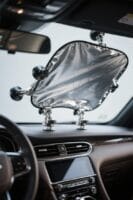


A damp patio awning can feel like a soggy umbrella after a summer storm. Readers learn that humidity can cause visible moisture buildup on fabrics, costing usability and looks. Mold and mildew spread in days at 70–80% relative humidity; a $120 canvas cover can stain within weeks. Natural fibers like cotton lose strength, dropping tensile strength by up to 30% after prolonged dampness, which harms the shade’s overall performance. Synthetic fabrics fare better. Moisture-resistant acrylic and polyester options, priced from $40 per yard, resist mildew and keep shape. How stiff or soggy should you expect fabrics to get? Tester Sam joked, “It’s like wet cardboard.” Practical care—ventilation, cleaning—extends lifespan and preserves function. Many vehicle and outdoor sun shades use reflective polyester to block UV rays and improve heat reduction.
Humidity’s Impact on Thermal Comfort and Perceived Temperature

Moisture-weakened fabric is one thing; feeling muggy under a shade is another. High humidity can make you feel 5°C–7°C warmer. That extra heat often causes fatigue during summer afternoons. Shading cuts mean radiant temperature by about 20°C in tests. A good canopy ($150–$800) and louvered pergola ($1,200–$4,000) improve airflow and reduce moisture buildup. Thermal comfort improves when air moves; even a $40 clip-on fan helps. Designers aim for shading that balances sun block and ventilation to aid energy efficiency and usable outdoor spaces. Want cooler evenings? Choose breathable fabrics and vents. “Feels like a warm blanket,” one tester joked, wiping sweat. Higher-density reflective fabrics used in quality sun shades can significantly reduce interior temperatures by blocking solar radiation, making them a worthwhile investment for long-term protection and cooling 250T fabric.
Effects on Sun Shade Structural Components and Hardware

Many sun shades show their age faster in humid places. High humidity levels cause fabrics to absorb moisture, weakening structural integrity over months. Metal brackets and fasteners can rust; a $12 stainless steel bolt lasts longer than a plain zinc one. Retractable systems may stick when seals swell; expect a $75 service call if motors jam. Untreated canvas invites mold and mildew that stains and weakens seams. How would one spot moisture-related damage? Look for rust streaks, warped ribs, or sagging panels after heavy dew. Regular maintenance prevents surprise failures. Inspect twice yearly, tighten hardware, and apply water-repellent treatments (about $20 per spray). “It’s like checking tires,” a tester joked — small checks avoid big costs. Choosing shades made from durable reflective fabrics can significantly extend service life in damp climates.
Recommended Products

★[Basic Information] The Cordless Bracket is a usual Replacement parts for outdoor sun shades or indoor roller shutter. You can purchase it with our 28mm/38mm pipe plugs for easier use.

【Extensive compatibility】 The cordless crank kits are replacement parts for sunshade curtains, compatible with a wide range of different outdoor sunshade
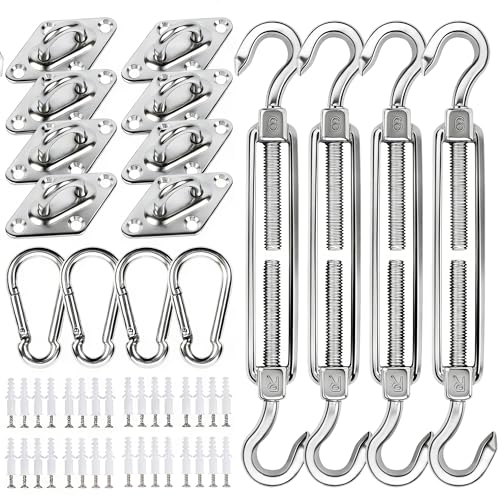
[One Kit for Any Design]: Conquer any shade sail project—rectangle, triangle, hexagon, or custom shapes—with one comprehensive 80-piece kit. Ditch the confusion of piecing together multiple sets. Plus, when installing common square or triangle sails, the extra hardware acts as your instant backup plan, saving you time and hassle if a replacement is ever needed.
Mold, Mildew, and Biological Growth Risks for Awnings
Rust streaks and sagging panels are not the only signs of trouble; mold and mildew quietly take up residence on awnings left damp for days. High humidity levels—above 70%—drive moisture buildup that invites biological growth on fabrics. Readers learn that vinyl and polyester awning materials resist mold better than cotton; a 10×10 vinyl cover often costs $120–$200 and lasts longer. Clean twice yearly with a mild detergent and a $15 soft brush. Treat with a mold-resistant spray, roughly $20 per can. Can you smell trouble before you see it? Spores can aggravate allergies and asthma. Simple fixes help: improve drainage and ventilation, tilt panels slightly, or add vents. A tester joked, “It’s cheaper than a new roof.” Practical, measured, and actionable advice. Many durable covers are made from 600D Oxford fabric, which offers strong resistance to moisture and wear.
Recommended Products

12WT Bonded Polyester Outdoor Thread. Improved resistance to strength loss from UV exposure over standard polyester filament thread. No lint. No joint. Outdoor Living Thread
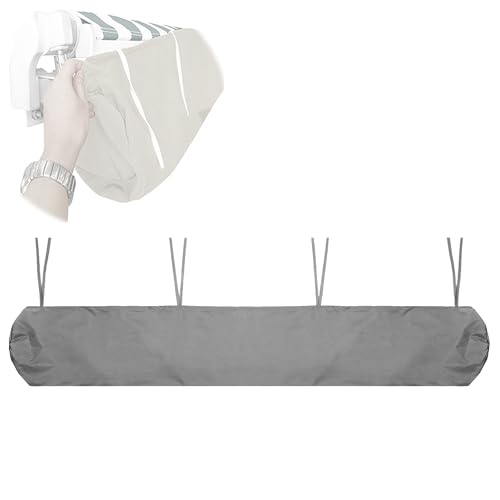
Heavy duty & waterproof awning protective cover from dust, snow, rain, sun, frost, bird droppings, etc. Perfect way to protect your awning whilst not in use.

UV Resistant - Simthread 100% Polyester Bonded Thread Tex 69 (12wt) - 250 Yards x 2 Spools NP-C.Blue
12WT Bonded Polyester Outdoor Thread. Improved resistance to strength loss from UV exposure over standard polyester filament thread. No lint. No joint. Outdoor Living Thread
How High Humidity Alters Water-Repellency and Drainage
A few humid days can quietly undo a sun shade’s defenses. Humidity can lead to faded coatings and slower drying times. Tests show water-repellent fabric effectiveness can drop 30–50% in sustained 80–90% relative humidity. That means puddles and heavier moisture on seams. Drainage systems designed for 5–10 mm/hour runoff may clog when moisture clings to fabrics. Opaque materials hold more water, so a 2×3 m panel can gain several hundred grams after a week of muggy weather. Air circulation helps, but what if airflow is limited? You see mildew sooner, and materials wear faster. A $25 cleaning spray or a $60 reproofing kit can help. “Feels like a wet blanket,” a tester joked. Custom-fit shades with double-layer construction can reduce trapped moisture and improve drying times. Practical upkeep saves money and extends life.
Designing for Ventilation and Airflow Beneath Shade Structures
When humidity hangs heavy, proper ventilation under a shade can feel like an escape hatch for the heat and damp. Designing for ventilation means spacing posts 0.5–1.5 m apart and angling roofs 5–10° to promote airflow. Shade structures that use sails or mesh can lower mean radiant temps by 20–22°C. Want adjustability? Retractable awnings ($250–$1,200) let you tune airflow and sun angle. Natural airflow is the goal — not a wind tunnel. Users report “it’s like a cool exhale,” one tester joked. Adequate shading still arrives; fabrics rated UPF 50+ and 70% permeability balance shade and air passage. In humid summers, maintaining circulation beneath canopies prevents staleness and keeps patios usable during peak afternoon heat. Many automotive sun shades for vehicles like the Honda HR-V advertise UPF50+ protection while also emphasizing breathability to reduce trapped heat.
Recommended Products
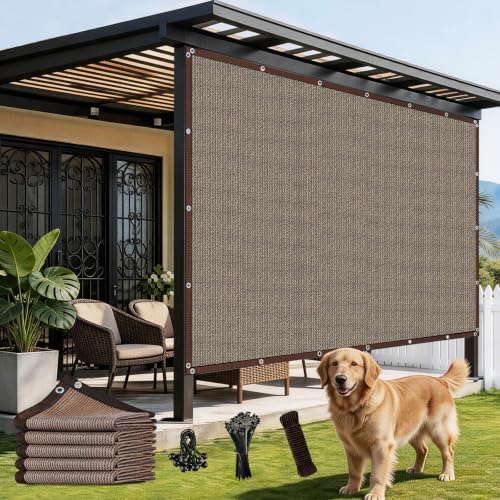
ENHANCED PRIVACY UV PROTECTION : This garden shade cloth blocks up to 50%-70% of harmful UV rays while creating a secluded space for your patio, pool, or balcony, blending functionality with comfort

【UV PROTECTION & BREATHABLE COMFORT】Crafted from high-density polyethylene material, our canopy is highly breathable and offers a 93% sun-blocking rate. It effectively cools your outdoor areas while allowing rainwater to pass through, ensuring comfort and functionality.
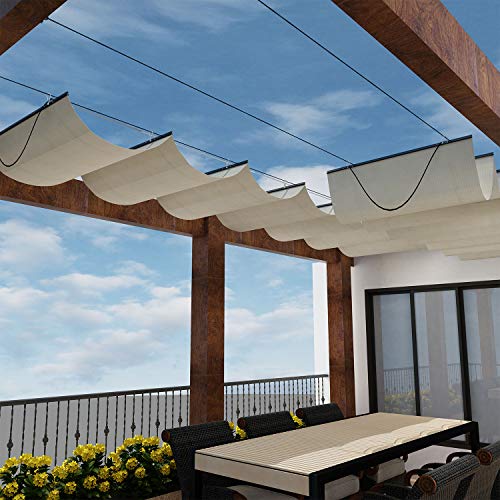
HIGH QUALITY FABRIC - Our retractable shade cover is made of high quality polyethylene, it can block most of strong sun rays but let some light get through. And it allows air to pass through with breathable fabric .
Material Selection and Treatments for Humid Climates
Because humid air can turn fabric into a sponge, material choices matter more than you might think. In humid climates, material selection for shading devices determines lifespan and comfort. Cotton canvas drops surface temperature and limits moisture buildup, reducing mold risk — expect a 1–2°C cooler feel and prices around $20–$40 per metre. HDPE structures resist humidity, cutting temperatures by up to 2.3°C; a 3×3 m panel costs roughly $60–$120. Treated synthetic fabrics offer superior durability and water repellence; ask for UV-resistant coatings and expect $15–$35 per linear foot. Ventilation still matters, of course. Want shade that lasts through sticky summers and Mardi Gras humidity? Choose treated synthetics or cotton canvas and verify UV and water-repellant specs before buying. For vehicle-specific performance, consider custom-fit sun shades designed for models like the Acura MDX to ensure full coverage and maximal UV protection.
Recommended Products
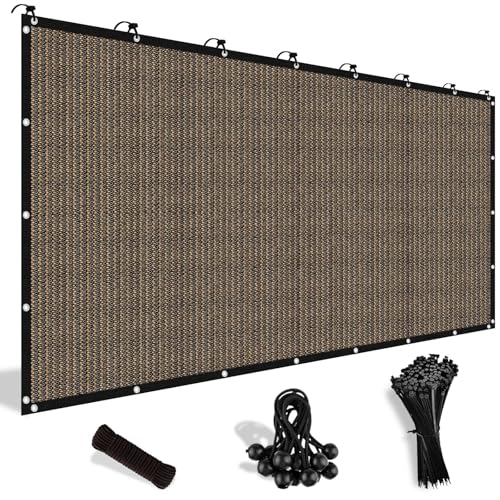
90% Sun Block: Shade&Beyond shade cloth with grommets provides 90% UV protection and resists UV fading. With excellent shading and heat insulation, you can get a shady retreat and keep your belongings away from the sun's harsh effects. By lowering the temperature under its shelter, these sunshades for patio always allow you to enjoy a cool and refreshing outdoor experience, making them ideal for patios, gardens, and more
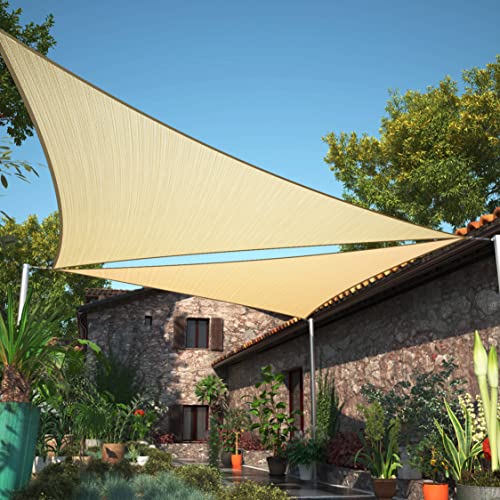
【SUN & HEAT CONTROL】Block 95% of UV rays with UPF50+ HDPE fabric. It lowers the heat by 10-15°F, keeping your backyard cool and preventing outdoor furniture from fading in the sun.
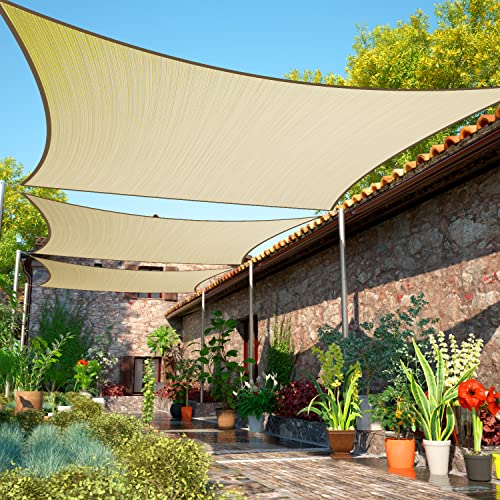
【Water and Air Permeability】: Permeable woven fabric, allows water and air to go through, no matter if it is a rainy or windy day.
Maintenance Practices to Preserve Performance in Humid Areas
Inspect shade structures monthly in humid areas to catch mold, mildew, and fabric sag before they become costly problems. Owners should scrub fabrics with an algae-and-fungi cleaner; a 1:10 mix often works and a 5-liter bottle costs about $18. Check for airflow gaps; vents or 2–3 inch roof spacing speed drying after rain. Choose UV-resistant, water-repellent materials like HDPE or treated canvas; expect replacement every 7–12 years depending on exposure. Apply sealant to wood and fabric every 1–2 years to boost moisture resistance. Spot-treat mold and mildew immediately — it spreads fast. What would a tester say? “Feels like saving money and sanity.” Consider adding custom-fit windshield sun shades for vehicles to reduce interior heat and UV exposure, especially models tailored to specific cars like the Audi A7 C8 Sportback.
Frequently Asked Questions
Does Humidity Affect Sunlight?
Yes—humidity levels subtly change sunlight exposure. Weather conditions and humidity impact scattering and absorption, reducing perceived UV radiation and brightness. Observers note diminished intensity, affecting outdoor activities and altering UV radiation reach and comfort.
Is It Hard to Run in 96% Humidity?
Yes; the runner experiences impaired running performance due to humidity effects: sweat evaporation is reduced, increasing heat exhaustion risk, causing breathability issues, compromised oxygen uptake, and necessitating adjusted training conditions, hydration, and reduced intensity.
Does Humidity Make It Harder to Tan?
Yes, humidity can hinder tanning. By coincidence on humid days, tan effectiveness drops as skin hydration and moisture retention increase, reducing UV absorption during sun exposure; tanning products may need adjustment for best results.
Does Humidity Block UV?
No — humidity does not block UV. It can alter UV penetration modestly as humidity levels change; sunscreen effectiveness, outdoor activities, skin protection, and related health impacts remain primary safeguards against UV exposure.


