As an Amazon Associate, we earn from qualifying purchases. Some links on this site are affiliate links at no extra cost to you. Our recommendations are based on thorough research and editorial judgment.


The Evolution of Automotive Sun Shade Materials

Early sun shades were blankets and cardboard, cheap hacks that kept dashboards from melting. Mid‑century vinyl panels (18×36 in, $1.50–$3) added suction cups and clips. Today’s custom‑fit polyester and reflective foil panels block up to 99% UV and lower cabin temps by 10–20°C, costing $20–$120. Some use recycled 50–80% fabrics or tiny solar cells for USB power. Want a cooler car and fewer sun‑scars on leather? Keep going to learn specifics.
Key Takeaways
- Early sun shades used blankets, cardboard and simple fabric panels focused on cooling, not durability or UV filtering.
- Mid-century vinyl and fabric shades added suction cups and clips, improving attachment and basic UV protection.
- Custom-fit and retractable designs introduced reflective linings and high-density polyester for precise coverage and better heat/UV reduction.
- Modern materials use aluminum reflective layers, nano-coatings, and recycled polyester to block up to 99% UV and lower cabin temperatures.
- Emerging innovations add solar panels, smart sensors, and adjustable-opacity fabrics for power, automation, and enhanced comfort.
Early Makeshift Solutions: From Blankets to Cardboard

You may be interested


One early solution was simple: a blanket or a sheet of cardboard placed across the windshield. Readers learn that these early makeshift solutions cost little — often free — and measured about 24–40 inches tall to cover windshields. They aimed to make a car’s interior cooler by blocking direct sun. Function mattered more than UV protection; cotton blankets offered shading but little proven UV blocking. Imagine parking in July with a cardboard visor that flaps like a paper hat. Tester Mark joked, “It felt like wearing sunglasses for the dash.” Practical? Yes. Pretty? Not so much. Could you trust them on long trips? Probably not. Still, these crude fixes set the stage for durable, measured sun shades that followed. Modern custom-fit designs provide better UV protection and tailored coverage for vehicle interiors.
Mid‑Century Manufactured Shades and Attachment Methods

Although simpler than today’s reflective panels, mid‑century manufactured sun shades brought real improvements to everyday drivers. They used fabric and vinyl panels, typically 18×36 inches, priced around $1.50–$3.00 in catalog ads. Function was blunt and effective. Installers relied on suction cups and small metal clips as common attachment methods. These choices avoided glue and residue, and they also helped block UV rays that were then only becoming acknowledged. Drivers noticed cooler dashboards and more privacy — like pulling a curtain over a hot stage. Testers joked, “It kept the kids from frying egg yolks on the dash.” Practical, utilitarian design won out over style. Want simplicity? These mid-century shades delivered straightforward protection at modest cost and effort. Many later designs added reflective strips to increase visibility and weather protection.
Recommended Products

[9-FOOT PATIO UMBRELLA]: SAFAVIEH's Valance Crank Umbrella shades outdoor seating areas in resort-inspired style with a decorative petal valance trim and easy crank-lift operation; suits patios, decks, poolside lounging areas, and backyard gardens

【ADVANCED HEAT REDUCTION】 Crafted from premium 200 GSM High-Density Polyethylene (HDPE), this shade sail lowers ambient temperatures by up to 15°F. The permeable fabric allows refreshing breezes and rainwater to flow through freely, effectively preventing heavy water pooling and keeping your patio cool.

Package: Includes 2 panels, each panel is 60 inches wide and 106 inches long, with additional tiebacks for daily use. We also offer custom services for special sizes.
Rise of Custom‑Fit and Retractable Designs

When drivers wanted a neater fit, manufacturers answered with custom‑cut shades made for specific models, not generic rectangles that left gaps at the corners. The shift to custom-fit sun products meant exact coverage — rear windows measured to the millimeter and A-pillar contours matched. Retractable designs followed, offering a roll-up action like a tiny garage door. They sell for $20–$120 depending on materials and fit. Many units use high-density polyester and thin reflective linings for clear UV protection and cooler cabins. Attachments range from magnets to suction cups for residue-free installation. Testers joked the shade “tucks away like a shy cat,” and drivers asked, “Why did I wait?” Practical, neat, and often surprisingly affordable, these solutions answer everyday sun problems. Some premium models boast up to 99% UV protection to better preserve dashboards and upholstery.
Recommended Products
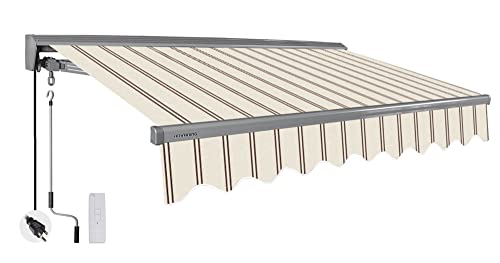
𝗖𝗢𝗟𝗢𝗥 & 𝗦𝗜𝗭𝗘: Classic Series Features a Gray Frame, Fabric Color: Natural Beige with Brick Red Stripes, Size: 13' Wide x 10' Projection Full Extension. Advaning Awnings are 100% Fully Pre-Assembled and Ready for Installation.
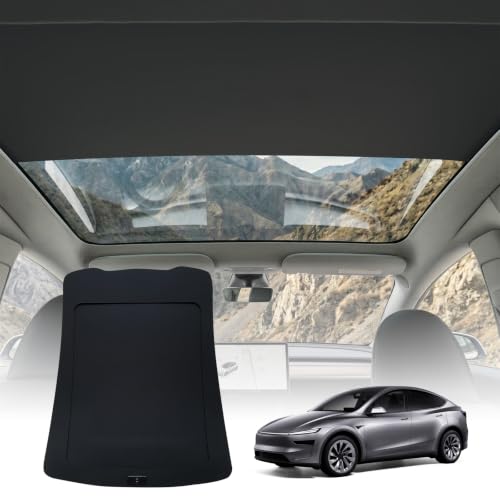
【Voice Control】Control your Tesla Model Y Juniper sunshade hands-free with simple voice commands. Wake it up with “Hi Amy,” then say “Open the sunshade,” “Close the sunshade,” or “Please stop” for convenient daily use.

Durable Outdoor Fabric: This screen uses extra-thick material for long-term use. It stays strong against sun and wind. The fabric resists fading and keeps your fence looking great in all seasons.
Modern Materials: Reflective Layers, Foams, and Nano‑Coatings
Comfort matters more than most drivers admit. Modern sun shades use reflective layers of thin aluminum foil that can block up to 99% of UV rays. That cuts interior heat by 10–20°C on sunny days. High-density polyester backs the assembly, costing about $10–$40 for quality models. Many include insulating foam, a 3–6 mm layer that traps heat and reduces transfer; it feels like a firm sleep mask. Nano-coated fabrics add water and stain resistance and boost UV blockage, often seen on $25 dual-layer shades. Dual-layer designs switch functions for changing weather. Want proof? Testers joke that one shade kept a dashboard “cool as a cucumber.” Practical, affordable, and durable, these materials make parked-car comfort a solved, measurable problem. Custom-fit options can further improve coverage and heat reduction by eliminating gaps with precise fit.
Recommended Products
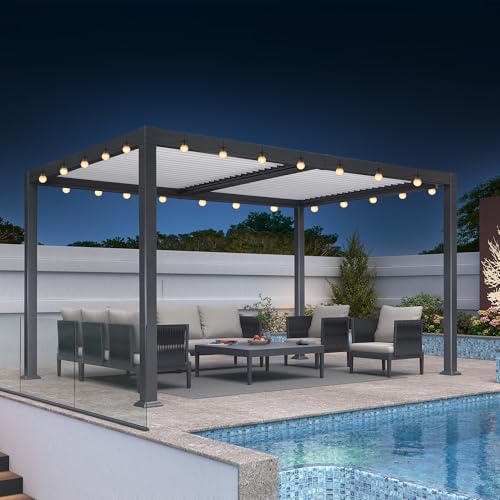
Concealed Drainage System: Rainwater is directed through an integrated drainage system to corner posts, preventing water accumulation on the roof

❤️Domi Outdoor Living's Treasure- This classic model of the hardtop gazebo, is crafted by a supply chain with over 20 years of experience in the outdoor furniture industry. This high-end gazebo boasts unparalleled texture and elegant design.

ALL TERRAIN JOGGING STROLLER: The BOB Gear Alterrain Pro Jogging Stroller rolls over all types of terrain
Innovative Mechanisms: Pop‑Up, Magnetic, and Automatic Deployment
If mornings feel like opening an oven, a pop‑up shade can be a tiny miracle. Pop-up mechanisms expand in seconds to cover a 40″×20″ windshield. They save time and reduce fumbling. Magnetic attachments stick cleanly to metal trim or sun visors, usually holding 5–10 pounds without residue. Automatic deployment models sense bright light and unfold quietly in 3–6 seconds, powered by a small 12V motor or a $40–$120 battery pack. Retractable designs tuck away neatly, keeping dash space free. Testers joked that one felt like a window curtain with attitude. What does this mean for you? Faster setup, fewer smudges, and reliable shade when needed. Overall, these mechanisms improve usability while keeping aesthetics trim and practical. Many of these designs use high-density polyester and reflective fabrics to block UV rays and resist high temperatures, providing durable protection for vehicle interiors UPF ratings.
Recommended Products

FAST MAGNETIC INSTALLATION FROM THE GROUND: Magne Shade uses a patented magnetic mounting system that allows quick installation and removal from the ground after the initial magnet setup. No ladders, suction cups, snaps, drilling, or permanent modifications required. Telescoping installation rod included.

Customizable Stroller: Customize your ride with 4 different modes via accessories such as infant car seat, pram, glider board, parent console and child tray.

【Remote Automatic Folding】Easily use the car shade canopy with the included remote control, making it effortless to open and close.You can fold and unfold the car tent effortlessly, and it’s convenient to store and transport.
Balancing Style and Function: Patterns, Colors, and Personalization
Pick a pattern, any pattern — just make sure it blocks the sun. Designers now offer prints from matte black to floral for $15–$60, with common sizes like 28″x54″ for windshields. Buyers get sun protection and style. Dual-sided panels show a reflective silver face for summer and a black face for winter warmth. Want a logo or monogram? Customization options often add $10–$25 and fit exact glass dimensions. Fabric tests report reduced UV exposure by up to 98% in many models. Imagine a sunglass for your dash—useful and a little fun. “It feels like a cool blanket,” a tester said. Practical, decorative, and affordable, these shades let drivers personalize interiors without sacrificing measurable protection. Many premium sun shades use triple laminate construction for improved durability and heat regulation.
Performance Metrics: UV Protection, Thermal Insulation, and Testing
When shoppers compare sun shades, performance numbers matter as much as patterns. Modern designs often use reflective aluminum that blocks up to 99% of UV, cutting cabin heat by 10–20°F on hot days. High-density polyester shells add durability without heavy weight; expect $15–$40 for basic to mid-range models. Some use nano-coated fabrics for better stain resistance and extra UV defense. Insulating foam layers provide thermal insulation, slowing heat transfer and lowering dashboard fade. How are claims verified? Solar testing simulates sun exposure and measures UV transmittance, surface temperature, and longevity to meet performance standards. Testers joke that a good shade is like sunglasses for your car. Many popular Chrysler 300-specific shades feature custom-fit design to ensure maximum coverage and optimal performance.
Sustainability Trends: Recycled Materials and Energy Savings
Because drivers care about both performance and the planet, recycled materials are becoming a common choice in sun-shade design. Manufacturers now use 50–80% recycled polyester in many models, priced from $15 to $45. This boosts sustainability and trims production energy by roughly 20%. Shoppers see clear benefits: lower carbon footprints and biodegradable options that compost in months, not centuries. Energy savings continue in use. A shade that reduces cabin heat by 10–15°F can cut A/C runtime and fuel use on hot days. “It felt like a cool blanket,” a tester joked, smiling. Want proof? Look for labels stating recycled content and energy-savings claims. These practical choices help drivers save money and the planet, one shady purchase at a time. Many custom-fit shades for models like the Acura MDX and RDX are engineered to block up to 99% of UV rays, providing both protection and efficiency.
Emerging Technologies: Solar, Smart Sensors, and Digital Integrations
Sustainability set the stage, but next-generation shades add smarts and power. Manufacturers now embed solar panels (5–10 W modules) to run USB chargers and small fans, often adding $40–$120 to retail price. Smart sensors detect sunlight and deploy shades automatically in 2–4 seconds, like a helpful co-pilot that never blinks. Digital integrations show UV index or cabin temp on 2.4-inch displays for quick decisions: roll down windows or wait it out. Smart fabrics adjust opacity with a 10–25% response range, improving comfort on hot afternoons. Tester comments are wry: “It’s like sunglasses for your dashboard,” one said. Want convenience? These multifunctional shades target tech-minded buyers who value practical, measured upgrades without gimmicks. Many of these advanced shades still focus on core protection features like high-density reflective fabrics that block up to 99% of UV rays and reduce interior temperatures by as much as 40F, offering both tech and traditional benefits for vehicle preservation and comfort vehicle protection.
Recommended Products

Uses high quality LCD and multilayer optical interference filter, provides clear view an dpermanent UV/IR protection up to DIN 15
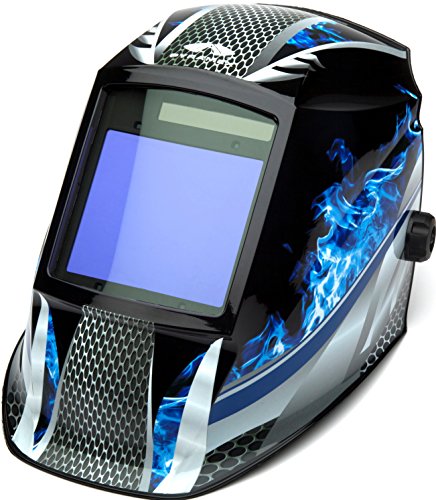
MOST COMFORTABLE MASK ON THE MARKET: Superior comfort with pivot style headgear
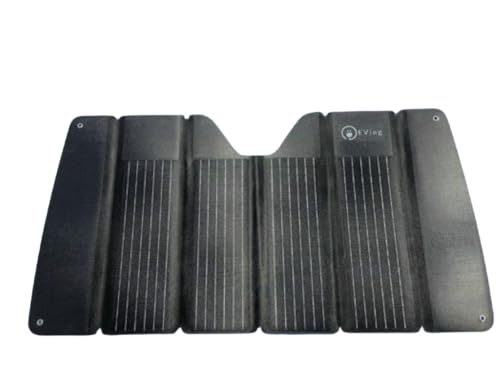
Dual Function: Innovative design combines a sunshade to block sunlight from entering your vehicle with solar panels to generate electricity.
Frequently Asked Questions
Are Sun Shades Legal for Windshield Use While Driving?
No, they are conditionally permitted; legality depends on windshield regulations, driving safety standards, and state laws. He notes many states ban obstructive sun shades while moving, allowing only nonobstructive or temporary use when vehicle is parked.
How Do Sun Shades Affect In-Car Airbag Deployment?
A case where a folded sun shade blocked a sensor shows sun shades can delay or distort airbag sensors, altering deployment timing and worsening injury during accident impact; blocking sensor fields or deflecting crash forces causes risk.
Can Pet Hair Damage Reflective Sun Shade Coatings?
Yes. He notes pet hair can abrade reflective coatings over time; trapped follicles and dirt accelerate wear. Regular sun shade maintenance—gentle brushing, vacuuming, and avoiding adhesive contact—helps preserve reflective coatings and prolongs functional lifespan.
Do Sun Shades Increase Risk of Theft by Hiding Valuables?
Yes; they can. The observer notes theft prevention relies on valuables visibility reduction, so shade effectiveness in obscuring interiors may deter opportunistic thieves, though determined criminals may still target vehicles regardless of covered visibility.
How Should I Store a Shade to Prevent Mold or Odors?
40% of mildew cases start from stored damp fabrics. He advises proper cleaning techniques—air dry completely, use mild detergent—then seal in breathable bag, keep in cool, dry place; best storage conditions prevent moisture buildup and odors.


