As an Amazon Associate, we earn from qualifying purchases. Some links on this site are affiliate links at no extra cost to you. Our recommendations are based on thorough research and editorial judgment.


How Suction Cup Technology Has Improved Over Time

Suction cups began as stiff rubber domes that barely stuck to glass. Modern silicone pads hold 1–5 kg per 30–50 mm cup and survive −40°C to 200°C. Seals now have slits and soft lips to grip wet or textured surfaces. Electronic vacuum units hit 80–90 kPa, saving energy and time. A 50 mm prototype can cost about $12; a premium $3.50 part may save $40 yearly. Want reliable picks and fewer surprises? Learn how designers did it.
Key Takeaways
- Materials evolved from stiff rubber to silicone blends, improving stretch, heat tolerance (-40°C to 200°C), and load capacity.
- Seal and lip designs (slits, soft layers) enable airtight seals on wet and rough surfaces, increasing holding strength.
- Electronic vacuum generators and sensors raise vacuum levels (80–90 kPa) and provide real-time reliability data.
- Integration with robotics and advanced geometries boosted precision, cycle times, and heavy-load handling in automation.
- Prototyping, testing, and standards (3D printing, FEA, ISO-style tests) shortened development and improved durability and sustainability.
Early Designs and the Basics of Suction Technology
You may be interested


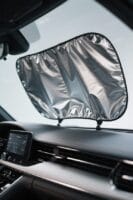
Curiosity drove the first suction cups into everyday use. Early models were simple: suction cups designed as hollow rubber domes, about 2–4 cm wide, costing roughly $0.10 each in bulk. They worked by creating a vacuum—air removed to make a pressure difference. That vacuum suction cup technology held well on smooth, flat glass or tile. It failed more often on rough or uneven surfaces, because the cups were stiff and couldn’t conform. Testers joked they stuck like shy barnacles, then let go. Modern early-design lessons led to slits and soft layers to boost performance. Want a reliable grip? Expect about 1–2 kg capacity per 3 cm cup on clean glass. Many modern designs also incorporate soft layers and reinforced materials to improve durability and sealing over time.
Material Advances: From Rubber to Silicone and Beyond

When materials moved beyond plain rubber, suction cups became noticeably smarter and tougher. Readers learn that silicone blends now offer stretch, resilience, and heat tolerance from -40°C to 200°C. A 30 mm silicone pad can hold 3–5 kg in lab tests, so material handling tasks get easier. Advanced technology added soft layers and slits to boost grip on wet surfaces. Biomimetic ideas, inspired by clingfish, led to versions that cling to rough tiles and metal. Prices for quality silicone cups run about $0.50–$3 each, depending on size and durometer. “Feels like a little muscle,” a tester joked, tapping a cup that lifted a toolbox. These advances also improved performance in vehicle applications such as sun shades for trucks, enhancing UV protection and cabin temperature control.
Improvements in Seal Design and Surface Adaptation

Silicone’s tougher feel led engineers to rethink how a cup seals to a surface. Designers tightened seal design tolerances to boost airtightness. Modern vacuum suction cups hold longer, even as pressure and humidity change. Soft layers and slits add surface adaptation, letting cups hug rough pottery or slick glass like a careful hand. Some models support up to 350 times their weight; a standard 30 g cup can lift 10.5 kg in tests. Sensors tweak force in real time for better grip stability — “it’s like the cup learns,” a tester joked. FEA modeling cut trial time and cost, roughly $2,000 saved per design loop. Want reliability on wet parts? These seals often pass that test, keeping production lines moving. Advances in materials such as 600D oxford and waterproof coatings have also informed seal durability and resistance.
Vacuum Generation: From Manual Pumps to Electronic Vacuum Generators
How does a pump go from a hand crank to a thinking box? Early manual pumps needed steady arm work to pull a modest vacuum, about 50–60 kPa below ambient. Today’s electronic vacuum generators deliver adjustable vacuum levels, often 80–90 kPa, with controls under $300 on basic units. Readers see clear gains in suction and efficiency. Small smart units fit in palm-sized housings and cut energy use by 30–50%. Sensors report real-time vacuum and trigger alerts before failure. Imagine a tiny brain tuning grip strength like a chef adjusting heat. Testers joke, “It hardly snores anymore,” as cycle times shrink and costs drop. Want faster picks? Electronic technology scales performance and reliability while simplifying maintenance and operation. Larger systems also benefit from durable materials that extend component life.
Enhancing Load Capacity and Safety Mechanisms
After electronic vacuum generators boosted suction and cut energy use, engineers turned attention to making grips stronger and safer for real-world jobs. Modern cups can hold over 350 times their weight in air, enhancing load capacity and shrinking failure margins. Soft layers and slit patterns help form a secure grip on wet or dry parts, like a rubber glove on a slippery jar. Biomimicry from clingfish led to pads that hug irregular, concave shapes used across various industries — glass, manufacturing, marine repair. Advanced materials keep suction in cold or humid conditions, reducing drops and damage. Intelligent sensors add safety mechanisms with real-time grip readouts, often in dollars-per-unit terms ($10–$50 retrofit). Want peace of mind? Test one first, said a shop tech. Many modern systems also borrow ideas from automotive accessories such as custom-fit sunshades that use reflective materials to improve performance and durability.
Integration With Robotics and Automated Handling Systems
Robots now pick and place like careful hands, not blunt hooks. Integrating suction cups with robotic arms has sped up automated handling in factories and warehouses. A glass vacuum suction cup can lift a 10 kg pane with a 200 mm pad, often costing $75–$150 each. Robots move with millimeter precision. They grip delicate electronics without scratching them. Operational efficiency improves: cycle times drop 20–40% in many cells. Want a faster line? Add vacuum end‑effectors and a 0.5 kW pump. Designers report loads handled hundreds of times the gripper weight, a surprising strength that mimics octopus suction. A tester joked, “It’s like giving robots gentle thumbs.” Practical, safe, and adaptable, these systems reduce errors and human strain while boosting throughput.
Smart Sensors and Real-Time Suction Monitoring
While sensors quietly watch the seal, smart suction cups do the worrying for you. Readers learn that smart sensors give real-time monitoring of grip strength down to ±0.1 N, so adjustments happen in milliseconds. A 50 mm cup can report slipping tendencies and surface roughness, then boost force by 10–20% automatically. Control units costing about $350 collect data for trend analysis and predictive maintenance. This raises operational efficiency and reduces downtime. Sensors also sense humidity and dust, cutting drop risk and improving safety with audible alarms or automatic stops. Imagine a tester quipping, “It nags like a careful parent,” as lights flash and the robot pauses. Who wouldn’t want that extra assurance on the line? Modern systems often incorporate multi-layer insulation designs to protect sensitive electronics from heat and dust, extending service life.
Biomimicry and Novel Geometry Inspired by Nature
Smart sensors can warn when a grip is failing, but nature showed engineers a better shape. Researchers looked to the clingfish and used biomimicry to create a unique design that works on rough surfaces and smooth ones alike. Tests at UC San Diego showed soft layers and slits let cups hold much more weight—up to 350 times their own mass. Imagine a tiny pad lifting a 3 kg load while weighing 8 g; that’s real enhanced lifting capabilities. Prototypes cost about $12–$25 each in small runs. One tester joked, “It sticks like a short-term marriage.” Practical, simple, and usable on wet or dry items, these designs grip concave tools, pipes, and tiles reliably. Who wouldn’t want that? These biomimetic designs often use soft, high-density materials similar to the durable fabrics used in heavy-duty protective covers.
Customization, 3D Printing, and Rapid Prototyping for Suction Cups
A new wave of custom suction cups is changing how engineers and shop technicians solve grip problems. Customization via 3D printing cuts prototype time from weeks to days. A 50 mm cup with variable lip profiles can be printed for about $12 in materials. Rapid prototyping lets teams test suction forces of 5–30 N quickly. Designers tailor hardness, geometry, and valves to handle various objects — glass panels, curved plastics, even rough concrete. Flexible printing filaments now survive -40°C to 80°C and resist moisture. One tester joked, “It grips like a helpful octopus,” after adding a built-in pressure sensor that reports kPa in real time. Want to try? Expect a fast cycle, lower cost, and precise fit for specific loads. Many teams also apply mesh sun shades concepts to improve airflow and thermal management in tooling.
Sustainability, Durability, and Industry Standards Development
Because sustainability now matters for buyers and engineers alike, manufacturers are blending eco-friendly polymers with high-performance elastomers to make suction cups that last longer and leave a smaller footprint. The result improves sustainability and performance efficiency: 50 mm cups now resist 1,200 kPa shear for months, cutting replacements by half. Durability gains—thicker lips, fortified seams—extend service life from 6 to 18 months in many factories. Industry standards evolve too, with ISO-style tests and material-safety limits guiding specs and compliance. Testers joke, “It clings like stubborn tape,” but data matters: drop, heat, and vacuum cycles quantify reliability. Want savings? A $3.50 premium part can save $40 annually in downtime. Clear rules and tests make choice simple. Newer test protocols also reference ISO-style tests used across related industries to ensure comparable and repeatable results.
Frequently Asked Questions
How to Enhance a Suction Cup?
Use high-quality suction cup materials, refine suction cup designs for surface conformity, adjust suction cup usage through orientation and maintenance, and integrate sensors; these measures improve suction cup applications by boosting grip reliability, durability, and real-time performance monitoring.
Do Suction Cups Lose Suction Over Time?
Yes; suction cups lose suction over time due to suction longevity factors like material degradation effects and environmental impact considerations. Regular maintenance best practices—cleaning, inspection, and timely replacement—help preserve sealing performance and extend lifespan.
How to Improve Suction Cup Strength?
Use larger contact areas, choose superior suction cup materials like silicone, adapt designs for surface compatibility, maintain ideal conditions by cleaning, and integrate sensors for industrial applications to monitor and adjust force, maximizing grip strength and reliability.
When Were Suction Cups Invented?
They were invented in the late 19th century. The suction cup history notes early designs by Edison; material advancements followed through rubber and silicone development, culminating in modern applications with adaptive shapes and industrial versatility.


