As an Amazon Associate, we earn from qualifying purchases. Some links on this site are affiliate links at no extra cost to you. Our recommendations are based on thorough research and editorial judgment.


The Role of Foam Core in Sun Shade Insulation

Foam core in sun shades acts like a lightweight thermos for windows. Made from closed-cell polyethylene, it offers R-values up to 15.67 and foil faces that reflect about 95% of solar heat. A 3’×6′ panel costs roughly $12–$18, resists moisture and mold, and cuts afternoon cabin heat by several degrees. Install with staples or spray adhesive. Want to see how it compares to bubble foil or fiberglass and where it works best?
Key Takeaways
- Closed-cell foam core provides high thermal resistance (R-value up to 15.67), reducing heat transfer through sun shades.
- Laminated reflective foil on foam core reflects up to 95% of solar radiant energy, lowering interior solar heat gain.
- Lightweight, durable foam panels are easy to cut and install, enabling snug, custom-fit sun shade insulation.
- Foam core acts as a vapor barrier (≈0.1 perm), preventing condensation and reducing mold risk behind shades.
- Combining foam core with air gap and reflective sun shades improves comfort and cuts HVAC energy use and cycling.
What Foam Core Is and How It Works in Sun Shades
You may be interested


A roll of foam core looks simple, but it does a lot of heavy lifting for sun shades. It is Foam made from closed-cell polyethylene. It blocks heat and cold with strong Thermal Insulation. One layer can have an R-value up to 15.67, impressive for a lightweight panel. It also acts as a Radiant Barrier, reflecting up to 95% of solar energy. Installers say a 3-foot by 6-foot panel costs about $12 to $18, depending on thickness. Need easy handling? It’s light and durable, like cardboard that won’t bend. What does that mean for you? Lower cooling bills and better comfort — energy efficiency you can feel. Testers joke it’s like armor against the sun. Many custom-fit sunshades for vehicles like the BMW 7 Series use foam core combined with reflective materials to provide enhanced insulation and a snug fit.
Thermal Properties of Closed-Cell Polyethylene Foam
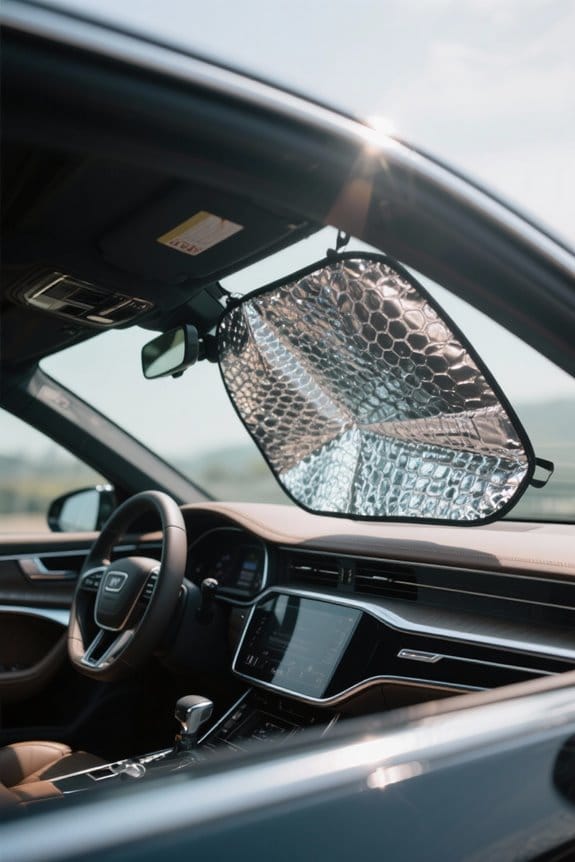
Think of closed-cell polyethylene foam as a lightweight thermal shield that quietly does the heavy lifting. It delivers an R-value up to 15.67, cutting heat flow in hot summers and cold snaps. Installers praise its low weight and tear resistance — “easy to carry, harder to damage,” one tester joked. Lamination with engineered foil creates reflective surfaces that can mirror radiant energy, boosting performance of radiant barriers without extra bulk. Moisture resistance prevents condensation and mold, so you breathe easier. It’s non-toxic and flame-retardant, so handling is simple and safe. What does that mean for you? Expect measurable energy savings and fewer HVAC cycles. Typical panels cost competitively, and the payback shows in lower bills. Many vehicle sun shades use reflective technologies and foam layers to minimize heat buildup and protect interiors.
Radiant Reflection: Foil-Faced Foam Performance

When the sun turns a parked car into an oven, foil-faced foam steps in like a lightweight mirror for heat. The reflective foil layer can bounce back up to 95% of radiant energy. A 5mm closed-cell polyethylene foam core plus foil improves performance and keeps cabins cooler. One-layer products can hit R15.67, which surprises many buyers. How much can you save? Proper installation reduces energy bills noticeably, according to one tester: “It cut cabin heat fast.” The material is fire-rated and non-toxic, so you can handle it safely. The feel is thin but firm, like a padded mirror. Want practical protection that works? This solution reflects radiant heat efficiently and gives real, measurable comfort benefits. For added durability and a snug fit in larger vehicles, many drivers prefer custom-fit visors designed specifically for heavy-duty trucks.
Reducing Conductive and Convective Heat Transfer
Because heat moves in three ways, it helps to plug two at once. Foam Insulation with an R-value up to 15.67 stops conductive heat transfer like a thick winter coat. Reflective Foam Core Insulation adds a 95% reflective foil for radiant control, but the foam itself blocks heat flow through materials. Closed-cell structure also limits air movement, cutting convective heat transfer and lowering HVAC loads by noticeable amounts. Installers say it’s light and easy—about the weight of a briefcase—so you can fit panels quickly. Want comfort and lower bills? This combo keeps interiors steady year-round. Tester: “Feels like a calm room, not a sauna.” Many custom-fit sunshades for Acura models also use double-layer construction to block UV and reduce interior temperatures.
Moisture Control and Vapor Barrier Benefits
Although moisture often hides where homeowners least expect it, foam core insulation acts like a reliable umbrella for walls and attics. It serves as a true vapor barrier, with closed-cell foam reducing water permeability to near 0.1 perm at 1 inch thickness. That keeps mold out and frames dry. A laminated reflective foil adds moisture control by limiting condensation on hot roof decks. Imagine paying $0.12 per square foot for a product that helps cut energy bills by sealing air leaks and preserving R-values. Indoor air quality improves because less damp air means fewer allergens. Want proof? A tester joked, “It’s like a raincoat for your house.” Practical, measured, and affordable — foam core gives clear protection where it matters most. Studies show that insulation R-values and proper sealing significantly improve long-term energy savings and comfort.
Sound Attenuation and Acoustic Comfort
Moisture control was only part of the story; foam core also quiets things down. A Foam Core Insulation roll with an R-value up to 15.67 cuts airborne noise between rooms. It feels like closing a window on a busy street. Installers note that the closed-cell makeup absorbs sound energy effectively. Do you need calm for bedrooms or offices? Then acoustic comfort improves noticeably when foam sits in walls, ceilings, and floors. One contractor joked, “It hushes rooms like turning down a radio.” Typical costs run competitively compared to specialty acoustic panels, and value rises with thermal gains. The result is measurable sound attenuation, better livability, and a quieter property that buyers often notice. Many users also appreciate that foam core helps protect interiors from UV rays which contributes to longer-lasting materials.
Fire Safety and Non-Toxic Material Advantages
A few smart choices can make a home safer and more comfortable. Foam core sun shades rated Class A fire provide clear fire safety benefits. SmartSHIELD, for example, meets Class 1/Class A standards and resists flame spread. It’s also non-toxic material; closed-cell foam won’t irritate skin, eyes, or throat during handling. Picture a backyard barbecue—less worry about stray sparks. Bubble insulation varieties offer similar vapor-barrier benefits and stop mold growth. A 4-foot by 6-foot panel weighs about 3–5 pounds and costs roughly $25–$40, so upgrades are affordable. “Feels like carrying a pillow,” a tester joked. Who wouldn’t want safer shades that are lightweight, durable, and reduce fire risk without harsh chemicals? Many vehicle-specific sun shades, like those designed for the Nissan Sentra, also use premium materials to enhance heat blockage and UV protection.
Installation Methods for Foam Core Sun Shades
When prepping windows for foam core sun shades, homeowners find several simple fastening options that get the job done without fuss. Installation can use staples, small finish nails, or glue. Staples hold well because the lightweight foam core won’t tear; expect to place staples every 6–8 inches. Spray adhesive works for a semi-permanent bond; a 12-ounce can costs about $6–$10. Custom cutting with a utility knife or scissors guarantees a snug fit. Leave a ½–1 inch air gap for a better thermal barrier. No itchy fibers means you can work bare-handed. A tester joked, “It’s like trimming cardboard, but smarter.” Want neat edges? Measure twice, cut once. The result is quick, tidy, and effective. The Cadillac XT6 sun visor uses double-layer heat shield fabric to minimize heat and UV damage and improve interior protection.
Recommended Products

Perfect design: The window air conditioner insulated foam panels board is designed with aluminum foil, which can reflect the sun and heat well, maintain the indoor temperature, and play a waterproof role at the same time.

Dual-Layer Insulation Design: The double-layer foam panels help block outside heat while maintaining cool indoor airflow when using window vent kits, and this insulation foam board can keeping rooms comfortable during hot weather.
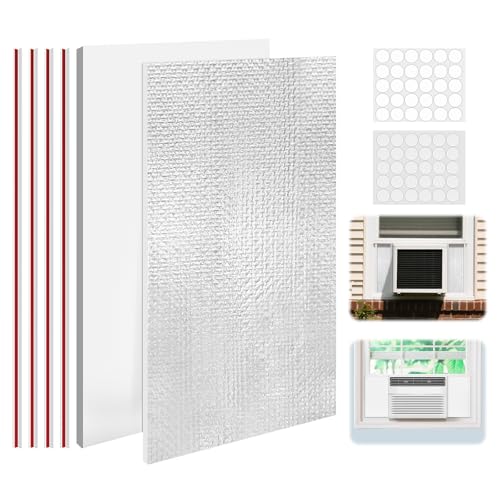
Perfect design: The window air conditioner insulated foam panels board is designed with aluminum foil, which can reflect the sun and heat well, maintain the indoor temperature, and play a waterproof role at the same time.
Comparative Performance: Foam Core Vs Bubble Foil and Fiberglass
Three common window insulators go head-to-head: foam core, bubble foil, and fiberglass. Foam core offers high R-value—up to 15.67 at 5mm for SmartSHIELD—so it stops conductive losses well. It also reflects about 95% of radiant heat in summer, cutting cooling load. Bubble foil can reflect up to 97% radiant heat, but it needs an air gap to work best. Fiberglass has lower R-value per inch and can trap moisture if poorly installed. Foam core’s closed-cell build resists mold and won’t itch like fiberglass. Want easy handling? Foam core is non-toxic and user-friendly. One tester joked, “Feels like installing a sandwich.” Practical, measured, and plain: foam core balances radiant heat transfer control with structural convenience for most sun-shade needs. Many Hyundai Elantra owners prefer custom-fit shades made from durable 240T polyester for maximum coverage and longevity.
Cost, Energy Savings, and Long-Term Durability
Cost-conscious homeowners will like what foam core brings to the utility bill. Foam core insulation like SmartSHIELD can reach an R-value up to 15.67, cutting heating and cooling costs noticeably. It reflects up to 95% of radiant energy, so energy savings show up as smaller monthly bills. Lightweight panels install fast — stapling or gluing reduces labor time and cost. Closed-cell construction boosts durability and resists moisture, meaning fewer replacements over a decade. It’s non-toxic and fire-retardant, so families stay safe. How much might you save? Think of it as shaving a few dollars off each bill, adding up over a season. “Feels solid,” a tester noted. Practical, affordable, and long-lasting — a sensible insulation choice. Many consumers also pair foam core with reflective sun shades to further reduce interior heat gain and protect surfaces.
Recommended Products

This Kit Includes: 4 rolls of 2ft x 18ft White/Foil Foam Core Insulation, Heavy Duty Double Sided Tape, Razor, Squeegee, Easy Instructions

Package Contents: HADOR Reflective Window Insulation kit has everything you need. It includes a 48 inch x 10 foot insulation foil, suitable for most windows. It comes with 65 small round hook and loop adhesive pads to ensure a secure fit, along with a roll of heavy duty aluminum foil tape for extra strong fixation.

EXTREMELY EFFECTIVE - Reflects 95% of radiant energy, perfect RADIANT BARRIER. R17 insulation.
Best Applications and Design Tips for Optimal Shading
How much cooler can a room feel with a SmartSHIELD panel over the window? A sheet can act as a Barrier against sun and glare. SmartSHIELD has an R-value up to 15.67. The highly reflective metalized foil reflects about 95% of radiant heat. Install panels above windows or under eaves to reduce heat and glare. Panels are lightweight and cuttable. Need a custom shape? A hobby knife and straightedge work. Typical DIY cost runs $15–$45 per panel, depending on size. Savings show in lower heating and cooling loads and less HVAC cycling. Want proof? Testers noted a three- to five-degree drop in afternoon rooms. Practical tip: seal edges, allow airflow, and avoid trapping moisture for long-lasting performance.
Frequently Asked Questions
Where Should You Not Use Expanding Foam?
Expanding foam should not be used in basements, around plumbing, near high heat sources, in vibrating or moving joints, enclosed unventilated spaces, or where code-specified insulation is required; unsuitable areas noted for application guidelines and health concerns.
What Is the Purpose of Insulation Foam?
Insulation foam primarily reduces heat transfer, proving that thermal control is essential: it delivers insulation benefits across foam types, enhances energy efficiency, and requires appropriate application techniques to maximize performance, moisture control, and longevity.
Why Can’t You Sell a House With Spray Foam Insulation?
Because perceived spray foam drawbacks create buyer hesitation, sellers face home selling challenges: concerns over off-gassing, workmanship, inspection difficulty, reduced perceived insulation benefits, financing hurdles and insurance issues can all impede a sale.
Why Are Insurance Companies Not Insuring Homes With Spray Foam Insulation?
Although newer standards exist, insurers still cite spray foam regulations gaps: they view insurance risk factors like moisture, off-gassing and inconsistent installs as increasing claims, affecting home warranty implications and raising concerns tied to insulation material costs.


