As an Amazon Associate, we earn from qualifying purchases. Some links on this site are affiliate links at no extra cost to you. Our recommendations are based on thorough research and editorial judgment.


What Are Windshield Sun Shades Made Of? Material Breakdown

Windshield sun shades are made from reflective aluminum‑coated Mylar, polyester or nylon fabric, and thin foam or multi‑layer cores. They cut interior heat 10–30°F and cost $8–$120 depending on size and build. Polyester is cheap, durable, and easy to clean; nylon is lightweight and mildew‑resistant. Foam cores add insulation. Some shades use static‑cling vinyl or custom molded panels for a snug fit. Curious what works best for your car? More specifics follow.
Key Takeaways
- Reflective shades use aluminum-backed Mylar or polyester films to reflect infrared and UV radiation, cutting interior heat by 20–30°F.
- Foam-core and multi-layer panels sandwich 3–6 mm insulating foam between reflective films for added thermal resistance and stiffness.
- Polyester and nylon fabrics provide durable, wrinkle-resistant surfaces with UV coatings but lower heat-reflective performance than metalized films.
- Static-cling or adhesive vinyl shades are thin, flexible sheets that stick to glass, easy to remove but offer weaker insulation.
- Custom-fit molded shades combine foam, reflective layers, and tailored shapes to block >99% UV and prevent sagging.
Why Material Choice Matters for Windshield Sun Shades

You may be interested


Because the material makes the biggest difference, choosing a sun shade is not just about color or fit. The reader learns that reflective material like aluminum-backed polyester can cut interior temperatures by 20–30°F (11–17°C). Which shade sounds better: a $15 pop-up or a $40 heavy-duty one? Polyester and nylon score high for durability and resist wrinkles, tears, and stains. They often include UV protection rated to block 98% of harmful rays. Reflective coatings reduce heat buildup by reflecting infrared radiation away. Maintenance is simple: wipe with mild soap, air dry. Imagine a baked dashboard versus a cool picnic blanket—choices matter. “Feels like a window with sunglasses,” one tester quips, mixing data and a smile. High-quality sunshades with multi-layer construction outperform single-layer options in UV blocking effectiveness.
Reflective Mylar and Aluminum-Coated Layers

After weighing fabric choices like polyester and nylon, many shoppers look next at highly reflective options. Reflective mylar is a thin polyester film that bounces infrared light away. It can drop interior temperatures by up to 30°F when installed correctly. Aluminum-coated layers add extra shimmer and thermal resistance. Think of them as a lightweight mirror for your windshield. Both are compact, easy to stash behind a seat, and often cost between $10 and $30 for basic sizes. They usually carry a UV protection coating to prevent fading and protect dashboards. Want a quick test? Hold one in bright sun—if it glares, it works. “Feels like a tiny solar umbrella,” a tester joked. Practical, effective, and simple. They are also available in custom-fit designs that improve coverage and stability.
Recommended Products

Designed to Fit 2 Piece Split Windshield with Wing Vent

Designed to provide maximum privacy while keeping the interior of the cab at comfortable temperatures from -40 degrees to 120 degrees

ZenEclipse Brand: Made in the USA with US Sourced materials by a Veteran owned and operated manufacturing company!
Polyester: Affordable and Durable Options

A budget-friendly workhorse, polyester sunshades cost about $8 to $25 for most common windshield sizes and often measure roughly 54 by 28 inches to fit midsize cars. Polyester proves affordable and dependable. It resists wrinkles and shrinking, so a shade can survive years of folding without collapsing like a paper hat. Many models include a UV-resistant coating to protect dashboards and leather. Cleaning is simple — wipe or rinse — and stains rarely cling. They won’t block heat as aggressively as mirrored layers, though. So if you park under a blazing sun, expect warmer results. Want a practical daily driver? Polyester offers durability without drama. “It’s the sweater of sunshades,” a tester joked, meaning comfort and sensible value. Double-layer designs with heat shield fabric can significantly improve cooling performance over single-layer polyester.
Recommended Products

Custom-Fit Design: Specifically designed to perfectly match Freightliner Cascadia 116 & 126 truck windows with the large Detroit Assurance 5.0 sensor unit, ensuring complete coverage and optimal performance.

【HIGH-QUALITY】GoldWheel's waterproof outdoor canvas fabric has a density of 600 x 600 denier, 60inch width and 100% polyester. Canvas, a strong, durable, waterproof, closely woven cotton fabric. Backing with a PU waterproof coating, making it extremely durable and wear-resisting. So ideal for indoor and outdoor use, can meet the rugged requirements of outdoor life, UV and sunlight resistant, able to block light and produce a certain amount of shade.

【HIGH-QUALITY】GoldWheel's this heavy duty waterproof outdoor canvas fabric has a density of 1800 x 1800 denier, 60inch width and 100% polyester. Canvas, a strong, durable, waterproof, closely woven cotton fabric. Backing with a PVC waterproof coating, making it extremely durable and wear-resisting. So ideal for indoor and outdoor use, can meet the rugged requirements of outdoor life, UV and sunlight resistant, able to block light and produce a certain amount of shade.
Nylon Sun Shades: Lightweight and Resilient
When sun beats down and dashboards start to bake, nylon sun shades step in as a lightweight, resilient option priced around $12 to $30 for typical windshield sizes (roughly 54 by 28 inches). They use strong synthetic fabric that resists abrasion and tearing. Treated with UV inhibitors, these shades cut exposure to UV rays and help prevent fading and cracking of interiors. They dry fast and shrug off moisture, so mildew is less of a worry in wet climates. Installation is simple because the material is so lightweight; it folds small for easy storage. Heat resistance can trail more reflective types, so interiors may not stay as cool. Want a practical guard that’s easy to handle? Nylon fits that bill. Pop-open designs and double-layer options can further improve cooling and convenience, offering users enhanced thermal regulation and quicker setup.
Recommended Products

【HIGH-QUALITY】GoldWheel's this heavy duty waterproof outdoor canvas fabric has a density of 1800 x 1800 denier, 60inch width and 100% polyester. Canvas, a strong, durable, waterproof, closely woven cotton fabric. Backing with a PVC waterproof coating, making it extremely durable and wear-resisting. So ideal for indoor and outdoor use, can meet the rugged requirements of outdoor life, UV and sunlight resistant, able to block light and produce a certain amount of shade.

ZenEclipse Brand: Made in the USA with US Sourced materials by a Veteran owned and operated manufacturing company!

ZenEclipse Brand: Made in the USA with US Sourced materials by a Veteran owned and operated manufacturing company!
Foam-Core and Insulated Multi-Layer Constructions
Think of foam-core shades as the insulated jackets of sun protection. Foam-core designs sandwich a 3–6 mm insulating foam between reflective films, cutting heat transfer and blocking UV rays. They feel firmer than flimsy single-layer covers. Expect an advertised interior drop of up to 30°F on hot days — a real relief when you return to your car. Many insulated multi-layer options weigh under 1 lb and fold small for storage. Prices often range from $15 to $40, depending on size and finish. Want rigidity or light packing? Foam-core gives both. Testers joked it “holds its shape like a polite bouncer,” while still reflecting glare. For everyday use, these shades balance protection, convenience, and predictable performance. Many Acura MDX-specific shades offer custom-fit coverage tailored to model years for better sealing and UV protection.
Recommended Products

Compatible with select 2014-2018 Jeep Cherokee Models. Please confirm fitment to your year, make, and model in Amazon ConfirmedFit prior to purchase.

Compatible with select 2009-2018 Dodge Ram Truck 1500, 2019-2024 Dodge Ram Truck 1500 Classic, 2010-2018 Dodge Ram Truck 2500/3500, 2010-2018 RAM Ram 2500/3500, 2019-2024 RAM Ram 1500 Classic, 2009-2018 RAM Ram 1500 Models. Please confirm fitment to your year, make, and model in Amazon ConfirmedFit prior to purchase.

Compatible with select 2025-2025 Ford Super Duty, 2022-2025 Ford F-150 Lightning, 2023-2024 Ford Super Duty, 2021-2025 Ford F-150, 2026-2026 Ford F-150, 2026-2026 Ford Super Duty Models. Please confirm fitment to your year, make, and model in Amazon ConfirmedFit prior to purchase.
Mesh and Perforated Fabrics for Glare Reduction
Foam-core shields offer firm insulation, but mesh and perforated fabrics take a different route: they cut glare while letting you see out. Mesh shades trade heavy reflection for partial openness. A typical 40–60% open-area fabric reduces glare noticeably yet preserves visibility for parked cars or campers. They usually block less UV than foil options, but they still lower cabin heat by several degrees on hot days. The woven grid lets airflow pass, reducing the greenhouse effect. Install is simple: suction cups or static cling in minutes. Prices range from about $10 for basic panels to $30 for branded, denser weaves. Want more privacy or light control? Choose tighter perforations. Testers joke it’s like sunglasses with a window. Many high-density reflective polyester and multilayer designs can block up to 99% of harmful rays, making them effective for interior protection and heat reduction, especially in models like the Audi A6.
Metallic Films and Thermal Barrier Technologies
A reflective shield can feel like a tiny sun umbrella for your dashboard. Metallic films such as Mylar or aluminum use a reflective coating to bounce sunlight away and block UV rays. They can cut cabin temperatures by up to 30°F in direct sun. Modern designs add thermal barrier technologies—foam or layered insulation—to slow heat transfer even more. A typical quality shade costs $15–$40 and measures about 58×27 inches for full windshield coverage. Durability is strong, though repeated extreme heat can dull performance over years. Want proof? Testers say it “turns a sauna into a warm room.” How long will one last in Phoenix or Miami? Expect several seasons; replace if reflectivity or seams degrade. Many shades also incorporate UV protection and windproof features inspired by automotive covers used for convertibles.
Adhesive and Static-Cling Vinyl Materials
Sheet-like and clingy, vinyl sun shades stick to windshields using either a light adhesive or static electricity. These adhesive and static-cling materials weigh about 80–150 g per square meter, so they feel thin and flexible. They peel off cleanly and rarely leave residue, which makes daily use painless. Static-cling options form a vacuum-like seal and can be repositioned—handy when the sun moves. They usually offer lower UV protection than reflective screens, so expect higher cabin temperatures in strong sun. Prices range from $5 for basic panels to $25 for patterned kits. One tester joked it’s like a sticker for your car’s forehead. Durable? Less so in harsh climates, but very convenient for quick shade. Many drivers who own models like the Honda Clarity prefer custom-fit designs for better coverage and reduced sagging.
Recommended Products

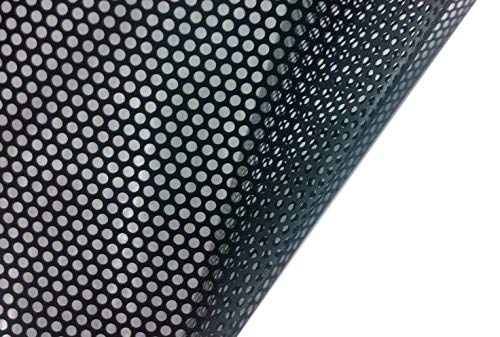
Helps to prevent birds from flying into your window while enhancing privacy and blocking UV rays
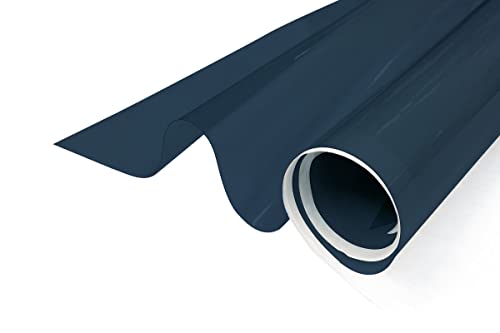
Non-Adhesive & Renter-Friendly – The NON-ADHESIVE static cling allows for easy, temporary application and removal without glue or residue, making it ideal for renters or anyone wanting to update windows without professional help.
Custom-Fit Molded and Contoured Materials
Think of custom-fit molded sun shades as a tailored suit for your windshield. These custom-fit pieces match specific models within a few millimeters. They use reflective materials like Mylar or thin aluminum foil layered over foam, often 2–5 mm thick. Expect prices around $30–$120 depending on finish and vehicle. They block more glass area than generic shades, offering measurable UV protection and lowering cabin heat by 10–20°F in tests. Many are durable yet light; fabric edges resist tearing through reinforced hems. Colors range from silver to matte black and leather-look finishes, so they can actually improve cabin style. Want proof? One tester quipped, “Feels custom, not cheap.” Practical, precise, and purpose-built. Custom-fit designs often block over 99% of harmful UV rays, significantly improving interior protection and cooling efficiency.
Cleaning, Care, and Longevity by Material Type
Custom-fit molded shades look sharp in the windshield, but care routines matter just as much. Polyester models clean easily with mild soap and water; a $15 kit or gentle dish soap removes grime and preserves the UV protection coating. Nylon shades dry fast and resist tears, so you can air-dry in 30–60 minutes after washing. Reflective Mylar or aluminum panels block heat well but need careful cleaning to avoid chemical damage; use a soft cloth and mild soap. Regular cleaning prevents dirt build-up that reduces longevity and reflective performance. Store shades flat or rolled to avoid creases. Want a tip? Test folding gently before stowing. One tester joked, “Treat it like sunglasses for your car.” Many premium shades feature triple laminate construction to boost durability and thermal efficiency.
Environmental and Safety Considerations of Sunshade Materials
While sunshades may seem like simple windshield accessories, their materials carry real environmental and safety trade-offs that buyers should weigh. Polyester and nylon cost about $10–$25 and last years, but they’re synthetic fibers linked to plastic pollution during manufacture. Reflective materials such as aluminum or Mylar reflect up to 90% of solar heat, keeping interiors cooler by several degrees. Many models use static cling technology, so installation is tool-free and less likely to scratch glass. Some accordion-style shades use non-toxic components, answering environmental concerns for eco-minded buyers. Want durability or a greener option? Expect to pay a bit more. “Feels like armor for your dash,” a tester joked, noting one shade cut cabin temp by 8°F. Practical choices win in the long run.
Frequently Asked Questions
What Are Windshield Sunshades Made Of?
They are made from reflective aluminum/Mylar layers, synthetic fabrics (polyester/nylon), foam cores or PVC statics—each choice promising different UV protection benefits; the detached observer notes material durability comparison, shade installation tips, and custom sunshade options.
Are Car Sunshades Recyclable?
Mostly no; recyclability varies. Advantages sunshades often use mixed materials, limiting recycling. Eco friendly options and sustainable materials are emerging. Disposal methods include reuse, donation, or regular waste if local recycling won’t accept them.
What Is the Best Material for Car Sunshades?
Reflective reassurance: He prefers reflective films — aluminum or Mylar — for superior heat reflection and UV protection, balancing durability factors with installation ease; lightweight polyester options trade some performance for practicality and cost savings.
What Material Are Window Shades Made Of?
They are made from various types of materials like reflective films, polyester, nylon, mesh and custom composites; analysis compares insulation properties, UV protection and cost comparison to guide selection based on durability, weight and budget.


