As an Amazon Associate, we earn from qualifying purchases. Some links on this site are affiliate links at no extra cost to you. Our recommendations are based on thorough research and editorial judgment.

Reflective Polyester Vs Nylon: Which Material Works Better?

Reflective polyester shines for visibility, costing about $25–$90 and offering up to 85–90% retroreflectivity—think safety vests that act like tiny moons. Nylon wins for strength and abrasion resistance (50–90 MPa, up to 20,000 Martindale rubs) and can last near 10 years. Polyester dries fast and resists UV; nylon stretches and feels tougher. Which to pick? If you want bright and lightweight, grab polyester; if you need durability, choose nylon—more comparisons follow.
Key Takeaways
- Reflective polyester offers superior reflectivity (up to 85–90%) and maintains performance in wet conditions, making it ideal for visibility-focused uses.
- Nylon provides greater tensile strength, abrasion resistance, and overall durability, often outlasting polyester in heavy-use applications.
- Polyester absorbs very little moisture and dries quickly, making it better for high-intensity, humid environments.
- Nylon is stretchier and more comfortable for close-fitting or flexible garments, though it can pill more than polyester.
- Recycled polyester is easier and cheaper to produce than recycled nylon, so polyester generally has a smaller immediate environmental footprint.
What Is Reflective Polyester and How Is It Made?
You may be interested


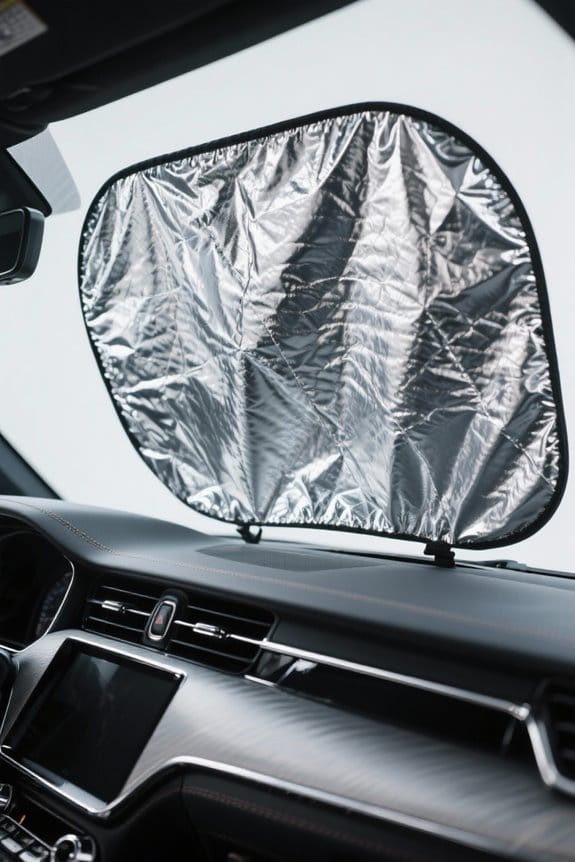
Think of reflective polyester as regular polyester with a safety upgrade. It is a synthetic fabric made by adding micro-glass beads or prismatic films. The production process applies reflective coatings during weaving, usually adding 10–30 microns thickness. Readers see visibility improved in low-light conditions. It still offers moisture-wicking comfort like ordinary polyester. Typical workwear pieces cost $25–$90, depending on coating density and grade. Longevity is strong: many brands report 50+ wash cycles before noticeable decline. Applications include safety equipment, signage, and automotive trim as well as jackets and vests. Want proof? A tester joked it “glows like a night-light.” Practical, measurable, and affordable — reflective polyester bridges comfort and safety without heavy trade-offs. Many automotive sun shades use reflective aluminum film or polyester blends to enhance UV blocking and cooling performance.
What Is Nylon and How Is It Manufactured?

If reflective polyester upgrades everyday polyester with glass beads and prismatic films, nylon takes a different route from the chemical bench to the wardrobe. Nylon, a polyamide, forms when diamines meet dicarboxylic acids or when lactams self-condense. The result is a fiber known for tensile strength and elasticity. First sold in 1935 as a silk substitute, it made stockings affordable. Manufacturing is energy-intensive and can emit nitrous oxide, raising environmental concerns. Nylon absorbs about 3.5% water — its hydrophilic nature means longer drying times. Common grades include nylon 6 and nylon 66, used in clothing and parts. Want durability or stretch? Expect prices around $3–$6 per pound for raw fiber. A tester joked, “Feels like science hugged your sweater.” The material is also commonly used in automotive textiles such as windshield covers and protective car gear.
Strength, Durability, and Abrasion Resistance Compared

When comparing strength and wear, nylon often feels like the workhorse of fabrics. Nylon shows tensile strength around 50–90 MPa, often outmuscling polyester’s 22–95 MPa in real tests. Abrasion resistance favors nylon too: up to 20,000 Martindale rubs versus polyester’s 15,000. That matters in high-friction applications like backpacks and workwear. Nylon stretches more before breaking, so it flexes instead of snapping. Polyester resists UV light better, keeping about 80% strength after long exposure; nylon can lose roughly 50% after 500 hours. Lifespans vary: nylon may last up to 10 years under moderate use, polyester five to seven. Want moisture management and outdoor use balance? Choose based on specific needs, budget, and expected sun exposure. Custom-fit windshield covers for vehicles like the Acura RDX can benefit from materials with good UV protection to prevent interior fading and heat buildup.
Recommended Products

EMMA KITES 40D Ripstop Nylon is ultra-light [48 GSM], durable, tear proof, airtight and water resistant [500~1000mm HH]. Further enhanced by PU coating for better UV protection, extended service life and low stretch. A vibrant range of colors on offer, perfect for expressing your style and demands of various creative projects, from kites, windsocks, inflatables, flags to stuff sacks, bags, pack covers, extending to tarps, hammocks, and more.
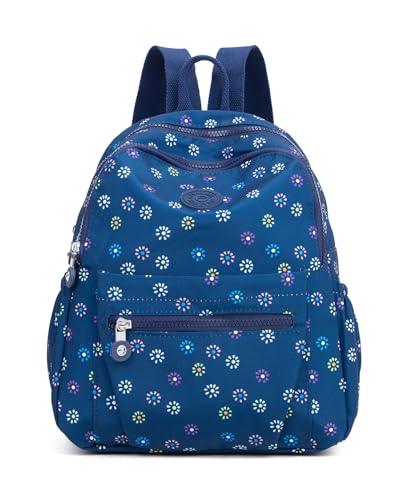
【HIGH QUALITY WATER-RESISTANT BACKPACK】Made from superior waterproof nylon oxford fabric, high density and anti-tear. Easy to clean, comfortable to touch and multifunctional to use. Reinforced stitching provides extra strength and keeps long-lasting performance
Reflectivity, Visibility, and Performance in Low Light
Although reflective polyester keeps a dry, mirror-like sheen that stands up to drizzle and sweat, nylon can still surprise in the dark. Tests show polyester panels reflect up to 85–90% of incident light after rain. That yields clear visibility for runners and workers. Nylon with reflective coating often starts at similar reflectivity, but moisture resistance lags. Polyester’s hydrophobic properties and quick-drying nature mean reflectivity recovers faster. Durability matters too: polyester resists UV degradation longer, so a $30 vest lasts more seasons. Performance-wise, activewear and safety gear benefit from polyester’s light weight and stable reflectivity. Want a practical pick? Choose polyester for wet conditions; pick nylon for stretch and fit. “It felt like a tiny disco,” one tester joked, smiling. Many reflective polyester products also boast UV protection, which helps them maintain performance and appearance over time.
Recommended Products
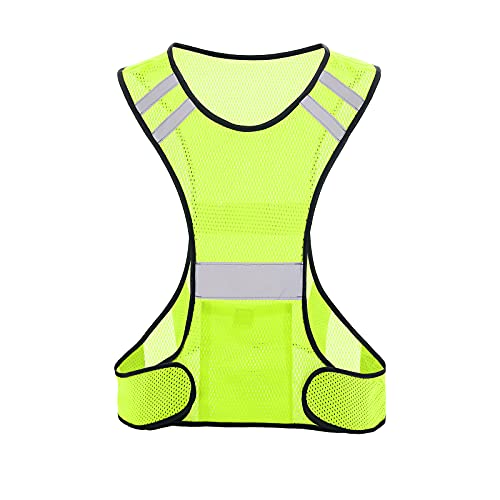
SAFETY FIRST-DRIVERS CAN SEE YOU AND HAVE TIME TO REACT: The TCCFCCT reflective running vest covers the shoulders, chest, back and waist with reflective strips, making you visible day or night. Drivers can see you far away, providing extra reaction time

✔HIGHLY VISIBLE & SAFE – Excellent 360 Degree reflective bands keep you safe in all weather conditions(rain, fog, dark) at day or night. Super reflective running gear can be seen from 800 feet or more.Your family at home can relax, knowing you are wearing high performance reflective gear and are so much safer.
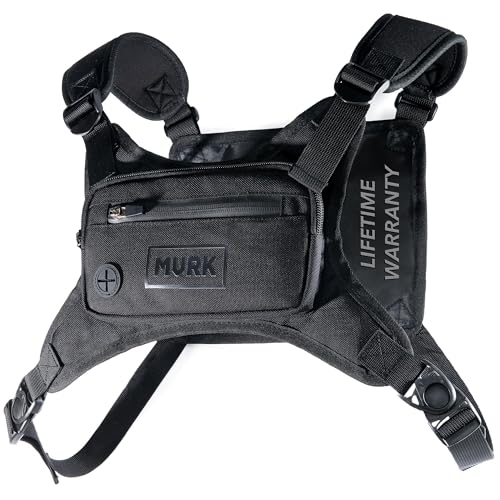
HIGH PERFORMANCE RUNNING VEST- Minimalist chest Pack to store all your essentials while working out. High performance chest pack optimized for outdoor training in all weather conditions. DIMENSIONS: 4" x 7"
Moisture Management, Drying Time, and Comfort
Because moisture decides comfort almost as much as fit, polyester often wins for active use and damp days. Polyester soaks under 1% of its weight, so its moisture-wicking and quick-drying properties remove sweat faster than nylon, which can absorb up to 3.5%. That means shorter drying time and less mildew risk after a wet run or rainy commute. Nylon’s superior elasticity offers real comfort during movement; testers likened it to “a gentle rebound” when stretching. Which to pick? For high-intensity activewear in humidity, polyester’s fast dry is $30–$70 well spent. For snug, flexible layers, nylon at $25–$60 may feel better. Practical tip: layer polyester next to skin, nylon over it for fit and stretch. Many apparel makers also use multi-layer reflective fabrics for enhanced insulation in outerwear and accessories.
Heat Resistance, UV Stability, and Weather Performance
Step outside on a bright day and polyester keeps its cool, like a sun-smart friend who forgets sunscreen but still stays intact. Polyester offers heat resistance up to 225°C and UV stability retaining over 80% strength after long sun exposure. Nylon, by contrast, can lose about 50% tensile strength after 500 hours of sunlight and handles only 60–180°C. Polyester’s low moisture absorption and faster drying times mean lighter gear after rain. Nylon soaks up to 3.5% water and stays heavy longer. Durability and weather performance favor polyester for many outdoor applications. Tester Mark joked, “It shrugs off sun and sweat.” What about environmental impact? Consider lifecycle and recycling differences when choosing between the two. Many custom-fit sunshades for the Nissan Juke use reflective materials to reflect up to 95% of solar light and improve cooling.
Recommended Products

Enhanced Sun Protection: Our car windshield sun shade effectively blocks harmful UV rays and reduces heat, safeguarding your vehicle's interior. Crafted from high-quality materials, it ensures your dashboard and upholstery remain cool and protected, providing a comfortable driving experience.

Shield-X Ultra Reflective Technology: EzyShade plus Shield-X has revolutionized sun shades, consistently leaving car interiors cooler and more comfortable than comparable reflective sun shades (up to 15% cooler).

2X Heat Blocking with Double-Layer Design: Unlike standard single-layer sunshades, Magnelex uses dual 240T reflective layers for superior heat rejection and UV protection. Stay cooler, protect your interior, and feel the difference every time you enter your car.
Typical Applications: Safety Gear, Outdoor Wear, and Industrial Uses
After comparing heat, UV, and moisture performance, attention turns to how these fibers actually get used in the field. Reflective polyester appears in safety gear like vests and jackets priced around $15–$40, noted for moisture-wicking and quick-drying capabilities. It keeps colors bright for visibility in low light. Nylon shows up in industrial applications such as climbing harnesses and safety ropes rated to 22 kN, prized for durability and tensile strength. Outdoor wear blends both: polyester for moisture control and UV help, nylon for abrasion resistance and stretch. Want flexibility and visibility? Reflective nylon answers that. Testers joke that one fabric “just keeps going,” while the other “dries before lunch.” Choices hinge on cost-effectiveness versus heavy-duty performance. Many users also choose products based on UV protection and heat-reduction features highlighted in car sun visors and shades.
Recommended Products

ASIPHITU Reflective Safety Vest for Men Women Construction Vest Meet ANSI/ISEA Standard Yellow Large
BREATHABLE MESH: The reflective safety vest is made in 100.00% polyester mesh material. Hi vis safety vest is lightweight, comfortable, breathable, easy to carry, machine washable in cold water, and quick-drying.

MATERIALS: 100% Polyester H-Vis Reflective Material, Durable, Breathable, Lightweight and Machine Washable. Customers who prefer a Loose Fit should order next 1-2 sizes up. Please check the size chart before placing the order!

High Visibility Apparel: This HATAUNKI safety vest for men women has high visibility reflective tapes. The neon safety vest is designed with two vertical and one horizontal 2" wide reflective strip covers around the shoulders, chest, waist, and back, which provide 360° protection during work or outdoor activities under any lighting conditions for day and night work
Environmental Impact and Options for Recycled Materials
While both fabrics start as oil-based plastics, their environmental footprints diverge in meaningful ways. Readers learn that reflective polyester and nylon are non-biodegradable and add long-term waste. Recycled polyester (rPET) cuts carbon emissions by up to 30%. Recycled nylon (rPA) can lower greenhouse gases by about 45%. The recycling process for polyester is simpler; look for ♳ labels and expect sorting costs of $0.10–$0.30 per pound. Nylon recycling is harder and pricier. Bio-based nylon exists, but it costs more—roughly $6–$10 per kilogram versus $2–$4 for standard nylon. Want sustainability that actually works? Using recycled materials in reflective fabrics reduces environmental impact. It’s like swapping a gas-guzzler for a hybrid—less guilt, clearer conscience. Many automotive accessories, including sunshades, offer custom-fit options tailored to specific models for better performance and protection.
Cost, Care, and Long-Term Value
Cost matters, and it shows on the label: polyester can cost as little as £0.85 per kilogram, while nylon generally runs £1.70–£2.00 per kg. Readers will notice the cost difference quickly. Polyester often wins for budget buys and fast drying time. Nylon costs more because its manufacturing process is complex. But nylon’s durability can mean items last up to 10 years. Polyester typically lasts 5–7 years and keeps vibrant colors well. Care is simple: wash cold and avoid heat. Nylon pills more; polyester resists wrinkles. Recycled options cut cost and help the planet. So what should you pick? If you want long-term value and toughness, lean nylon. If you want low price and quick care, choose polyester. Custom-fit sun shades can reduce interior temperatures by up to 40F, improving comfort and protecting interiors from UV damage with reinforced fiberglass ribs.
Recommended Products

2X Heat Blocking with Double-Layer Design: Unlike standard single-layer sunshades, Magnelex uses dual 240T reflective layers for superior heat rejection and UV protection. Stay cooler, protect your interior, and feel the difference every time you enter your car.
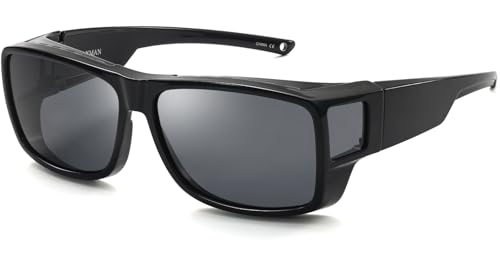
CAXMAN fit over sunglasses are the ultimate solution for intense sun exposure, offering a stylish, comfortable, and affordable way to protect your eyes. Designed to seamlessly fit over most prescription glasses, these sunglasses combine fashion and functionality, making them ideal for outdoor enthusiasts, drivers, and anyone needing extra UV protection

【Vehicle Specific】KUST Windshield Shade Cover custom fit for Toyota 4Runner 2010 2011 2012 2013 2014 2015 2016 2017 2018 2019 2020 2021 2022 2023 2024 2025,Full covered your windshield,No Gap,100% Perfect fit.
Frequently Asked Questions
What Material Is Better, Nylon or Polyester?
Which material is better? He evaluates: Durability comparison favors nylon; Moisture absorption and Breathability levels favor polyester; Weight differences, Stretchability options, UV resistance, Color fading, Cost effectiveness, Environmental impact and Maintenance ease determine application-specific choice.
Is Nylon More Shiny Than Polyester?
Yes; nylon shine generally exceeds polyester shine. The material comparison notes higher fabric luster, smoother surface texture, and stronger light reflection. Fabric properties affect visual effect, aesthetic appeal, and shine durability depending on treatments.
Which Fabric Is Best for Flags?
Polyester is best for flags: superior flag durability, color retention, fade resistance, outdoor performance and cost effectiveness; nylon offers lighter fabric weight, better flag texture and wind resistance with improved printing quality but higher environmental impact.
What’s Better for Working Out, Polyester or Nylon?
Polyester generally suits workouts better. Like a quick river clearing fog, it wins on breathability comparison, moisture management, odor resistance, weight considerations, heat retention and price points; nylon offers stretchability factor, flexibility advantages and durability differences.


