As an Amazon Associate, we earn from qualifying purchases. Some links on this site are affiliate links at no extra cost to you. Our recommendations are based on thorough research and editorial judgment.


Maximizing Coverage: Positioning Your Sun Shade Correctly

For best coverage place a 3.6 m shade sail where midday sun is strongest, roughly 10 AM–4 PM, with anchors 3–4 m apart and one corner 30–50 cm lower for runoff. Use walls or 6–8 mm steel posts and marine-grade turnbuckles; expect wall kits around $40 and poles $120. HDPE blocks heat and UV; PVC suits rainy spots. Tester note: “Tilt like a sailor’s hat,” they joked. Want step‑by‑step placement and tension tips next?
Key Takeaways
- Place the shade where sun is strongest between 10 AM and 4 PM for maximum midday protection.
- Conduct a quick solar study at 9 AM, noon, and 3 PM to map seasonal sun paths.
- Anchor corners 3–4 m apart using walls, fences, or rated poles for stable coverage.
- Set one corner 20–30 cm lower than the others to ensure proper rain runoff and tension.
- Choose fabric suited to climate (HDPE for heat, PVC for rain, mildew-resistant for humidity).
Where to Install a Shade Sail for Maximum Coverage

You may be interested


Sunlight is the enemy of a comfortable patio. One installs shade sails where midday sun is strongest for maximum coverage. Aim for 10 AM to 4 PM exposure. In summer, favor east and north-east placements. Use walls or fences as anchor points; a 3.6m sail needs anchors spaced roughly 3–4m apart. Set corners at varied heights so one side sits 20–30cm lower for runoff. Choose fabric rated for UV protection—typical 90% blocks are common and cost about $80–$250 per panel. Avoid spots under big trees or next to tall buildings that throw shade unpredictably. Want a trial? Try a cheap 2.4m tester sail for $40 and see how it shifts with the path of the sun. Also consider using UV-blocking fabric to reduce interior temperatures and extend the life of outdoor furnishings.
Recommended Products

INFO- The cable along the edges is made of high-quality metal, perfect to support large-size sun shade sail. Edges are finished with heavy-duty double layers reinforced stitched seams, prevent frayed edges, and keep the shade sail in shape. A-rings are attached to each corner for easy installation.
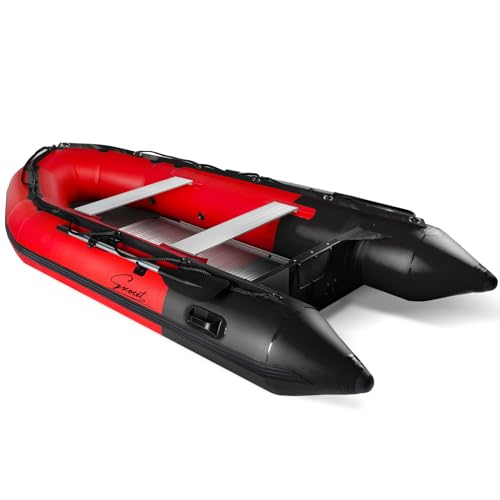
Durable & Safe: Crafted with multi-layer PVC material and coated with Tager powder, features precision robotic thermal welding seams for high-strength, one-piece construction that minimizes deformation. The hull undergoes over 30,000 abrasion and puncture resistance tests, delivering exceptional scratch resistance, oxidation resistance, and UV protection. Perfectly adapted for both freshwater and saltwater environments. four independent air chambers guarantee safety flotation even if damaged

Super Heavy Duty Commercial Grade Design: Crafted from 280 GSM permeable extra heavy-duty fabric and reinforced with stainless steel mounting rings, KANAGAWA patented design integrates cable wires into the edges. This ensures all pulling strength is directed to the cable wires, enhancing both durability and appearance, making it ideal for commercial and residential use
Evaluating Your Outdoor Space and Sun Patterns

After picking a likely spot for the sail, the next step is to study how the sun moves over that area across seasons. Readers should evaluate the outdoor space by watching shadows at 9am, noon, and 3pm on summer and winter days. A simple solar study using a phone app or $20 sun chart gives precise data. Positioning the shade to protect high-use zones — benches, grills, and play areas — matters most. Check for obstructions like trees or a 12-foot wall that cast irregular shadows. “I watched my patio vanish at 2pm,” one tester joked. How much shade is enough? Aim for coverage during peak sun (11am–3pm). Regular observation reveals problem spots and keeps comfort levels high. For best protection and longevity, consider materials with UV protection that block up to 99% of harmful rays.
Choosing Anchor Points and Assessing Structural Strength

Because a shade sail can pull with the force of a small truck when gusts hit, choosing anchor points is a serious step. Readers should inspect existing structures like brick walls and timber posts for cracks or rot. Use dedicated poles rated 6–8 mm steel, costing about $120–$220 each, for reliable support. Test structural strength annually; a simple tug test reveals looseness before disaster. Positioning affects rainwater drainage, so plan corners and slopes thoughtfully. One tester joked, “It felt like tying down a canoe in a storm.” Want durability? Use heavy-duty turnbuckles and marine-grade pad eyes. Shade sails suffer if anchors fail. These practical checks save time, money, and embarrassment when wind and weather really arrive. Also consider using a four-layer insulation material for nearby sun protection to further reduce heat transfer into shaded areas.
Recommended Products

3/8" STEEL AIRCRAFT CABLE - Thin, flexible and extremely strong, aircraft wire is one of the most useful types of steel cables available. This resilient cable design originated with aircraft and now serves a wide range of personal, commercial, industrial and military purposes.

QUALITY CONSTRUCTION – To provide a rigid structure with a non-skid surface, the platform deck is made of molded chopped fiberglass strand (the same way your boat deck is constructed) and finished with a bone white gel coat. This eliminates any flexing under pressure for maximum stability. The casting platform’s legs are made of bright-dipped aluminum with an anodized finish and include white rubber feet to prevent marring of the boat deck.

COUNTLESS APPLICATIONS – Used for anything from heavy duty winches to pulling logs.
Ideal Heights and Tilt for Water Drainage
When setting up a shade sail, aim to keep one corner noticeably lower than the others so rain runs off instead of pooling. Installers often position one corner about 30–50 cm lower than the high points to create a clear tilt near 25%. That tilt promotes reliable water drainage without stressing seams. Choose anchor points at varied elevations to achieve clean lines and taut fabric. A typical stainless steel turnbuckle costs $12–25 and helps fine-tune height variation. Want visual drama and function? Staggered heights look sharp and send water away from patios. Testers joke, “It’s like giving the sail a gentle slope for its tea.” Practical, modest adjustments prevent sagging and extend fabric life while keeping outdoor space usable in rain. For added protection in severe weather consider using heavy-duty fabric and secure straps to reduce wear and wind damage.
Determining Distances and Fixing Point Positions
Having one corner set lower helps water flow, but measuring distances and fixing points is what makes a shade sail actually work. Readers should measure between anchors carefully; a few centimeters change tension and coverage. Aim for a 25% tilt on one corner. Place corner anchors at varying heights, about 10–15 cm apart, to create a neat slope and boost runoff. Use existing posts or beams as fixing points to save money — think of them as friendly neighbors. Check the sun’s path seasonally to adjust positioning for maximum daytime shade. “It’s like tuning a drum,” a tester joked. Want numbers? Mark distances, add 10% for stretch, and verify tension with a tape and simple pull test. For long-term protection and comfort, consider materials that block up to 99% of harmful UV rays.
Recommended Products

𝗖𝗢𝗟𝗢𝗥 & 𝗦𝗜𝗭𝗘: Classic Series Features a Gray Frame, Fabric Color: Canvas Umber (solid), Size: 13' Wide x 10' Projection Full Extension. Advaning Awnings are 100% Fully Pre-Assembled and Ready for Installation.

Wind-Resistant Protection: Pro-Tect tested and proven to withstand up to 100 mph winds (product must be anchored as specified in the Backyard Discovery instruction manual)

Reinforced Cable-Edge Design - Built for maximum durability, our sunshade features a full-perimeter cable wire system (not just at the corners), ensuring even tension, long-term shape retention, and superior edge strength
Selecting Poles and Wall Mounting Kits
Poles are the backbone of any shade-sail setup, so choose wisely and confidently. Choose aluminum or steel poles rated for traction loads; a 3–4 inch diameter steel post often costs $60–$120 each and resists bending. Wall mounting kits should include strong plates and tensioning systems. The Muscle x3 Kit, roughly $45–$80, is recommended for durable support and easy maintenance. Verify anchor points—poles or walls—are fixed to structural members and meet local codes. Set one corner lower for water drainage by making proper adjustments to pole heights. How tight should it be? Enough to remove sag, not stress fittings. Test after installation and recheck tension periodically. Practical, reliable choices keep sails safe and functional. Reflective materials can also improve durability and UV resistance when integrated into the sail fabric, especially in multi-layer construction applications.
Recommended Products
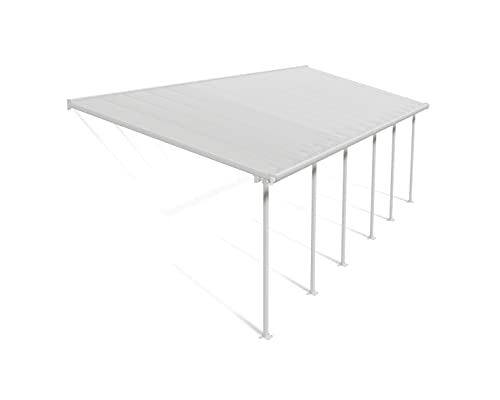
Sturdy and Elegant Design: Our hardtop gazebo kits constructed with a robust metal frame and white polycarbonate roof panels. This Patio Cover Canopy is the best choice for a leanto patio sun shade.

Easy-to-install, do-it-yourself fencing kit helps keep children safe from accidental falls into your pool

Designed and engineered to fit the following: Polaris Ranger Models (See Fitment)
Proper Tensioning Techniques for Longevity
Proper tensioning keeps a shade sail functioning like a taut sail on a steady boat. Installers advise to tension the fabric until it deflects less than 2 inches under thumb pressure. That prevents water pockets and reduces tearing during storms. Set one corner about 25% lower for ideal drainage, so rain runs off instead of pooling. Regular checks every season keep wind resistance high and seams from stretching out. Use marine-grade hardware — turnbuckles around $25, stainless pad eyes $12 each — for secure anchors. Who wants a sagging sail at a backyard BBQ? Testers joke it looks like a sad hammock. Tighten gradually, recheck, and adjust after heavy weather. Small tweaks yield big longevity benefits. For sun protection and interior preservation, consider selecting materials that block up to 99% of UV rays when choosing a shade.
Fabric Selection Based on Climate and Use
After the sail is tightened to a firm two-inch deflection under thumb pressure, attention turns to the fabric itself. Readers learn that high-density polyethylene works well in hot zones. It blocks UV yet breathes, so you don’t bake beneath it. In rainy areas, waterproof fabrics such as Mehler PVC offer toughness and often a 10-year warranty; expect prices from $12–$25 per square meter. Breathable fabrics let hot air escape, ideal for patios and play spaces. Tear-resistant fabrics are recommended where winds gust above 30 mph. Choose mildew-resistant and colorfast materials in humid climates to keep sails looking sharp. Want a test? “Felt like shade, not a sauna,” a tester grinned. For vehicles parked outdoors, consider using custom-fit windshield sunshades like the ARISMOTOR model to protect interiors and block UV with high effectiveness windshield sunshade.
Recommended Products

【𝗦𝗨𝗣𝗘𝗥 𝗛𝗘𝗔𝗩𝗬 𝗗𝗨𝗧𝗬 𝗡𝗘𝗪 𝗣𝗔𝗧𝗘𝗡𝗧 𝗗𝗘𝗦𝗜𝗚𝗡】: Made of 260 GSM permeable extra heavy duty fabric, heavy duty stainless mounting rings, cable wires built-in edges, integrate into the mounting rings, all pulling strength goes to the cable wires, not only making the edges more durable, it also enhence the appearance of shade sail.

【𝗦𝗨𝗣𝗘𝗥 𝗛𝗘𝗔𝗩𝗬 𝗗𝗨𝗧𝗬 𝗡𝗘𝗪 𝗣𝗔𝗧𝗘𝗡𝗧 𝗗𝗘𝗦𝗜𝗚𝗡】: Made of 260 GSM permeable extra heavy duty fabric, heavy duty stainless mounting rings, cable wires built-in edges, integrate into the mounting rings, all pulling strength goes to the cable wires, not only making the edges more durable, it also enhence the appearance of shade sail.

HIGH QUALITY MATERIAL - Our rectangle sun shade sail is made of 260GSM high-density polyethylene, finished with the strong stitching seam and double webbing. It is durable and fade-resistant, but not waterproof.
Maintenance, Removal and Seasonal Adjustments
Treat shade-sail care like routine car maintenance: a little attention pays off big. Routine maintenance includes gentle washing with mild detergent and a soft brush. A 5-liter bucket and a $12 brush suffice. Stains lift quickly. Removal is simple: loosen one corner to release tension and fold compactly. Store sails in original packaging to avoid dirt or snags. Seasonal adjustments matter; re-tension by 2–4 cm as temperatures shift to maintain shape and ideal performance. Take sails down before storms to protect fabric and increase longevity. Who wants a shredded sunshade after a gale? A neighbor joked, “It flaps like a flag.” Practical steps, small tools, and timely removal keep coverage strong, neat, and long-lasting. Many jumbo sunshades can block up to 99% of UV rays, making proper care important for preserving UV protection and material life.
Frequently Asked Questions
Which Way Should a Sunshade Face?
It should face south in the northern hemisphere (north in the southern), aligning with sun angles for UV protection and heat reduction; the installer considers sunshade materials, seasonal adjustments, tilt, and surroundings to optimize coverage and drainage.
How to Angle Shade Sails?
Huzzah, angle shade sails with high corners for runoff and a low corner tilted about 25%; consider shade sail materials, ideal tensioning techniques, weatherproof installation tips, aesthetic design choices, and routine maintenance practices to guarantee longevity.
How to Place Sun Shade in Car?
Place the sun shade snugly against the windshield and angle side shades for visibility. He compares sunshade types, notes car sunshade benefits, recommends proper sunshade installation, maximizing sunshade efficiency, and advises selecting sunshade materials for reflectivity.
How to Position a Shade Sail?
Like a compass guiding placement, she positions the shade sail using shade sail materials knowledge, installation techniques, maintenance tips, ideal sizing and safety precautions, ensuring correct tilt, high anchors, unobstructed placement and adequate ventilation for durability.


