As an Amazon Associate, we earn from qualifying purchases. Some links on this site are affiliate links at no extra cost to you. Our recommendations are based on thorough research and editorial judgment.

How Temperature Swings Affect Interior Materials

Temperature swings make wood act like a grumpy roommate. It gains about 8–10% moisture at 70°F/50% RH and drops to ~6% at 40°F/30% RH, so floors can expand 1/4″ per 10 ft and cabinets may gap or warp. Adhesives and sealants stiffen below 40°F and soften above 100°F; expect finish flaws with alkyd varnish outside 50–85°F. Humidity above 60% invites mold in 24–48 hours. Want quick fixes and installation tips?
Key Takeaways
- Temperature swings change wood moisture content, causing expansion, shrinkage, gaps, and warping.
- Rapid temperature changes weaken adhesives and can cause bond failure or premature curing.
- Repeated thermal movement stresses finishes and sealants, making them brittle or soft outside their rated range.
- Flooring, cabinetry, and furniture joints loosen as materials expand and contract seasonally.
- Controlling indoor temperature and humidity (68–72°F, 40–50% RH) minimizes damage and mold risk.
How Temperature and Humidity Change Wood Behavior
You may be interested


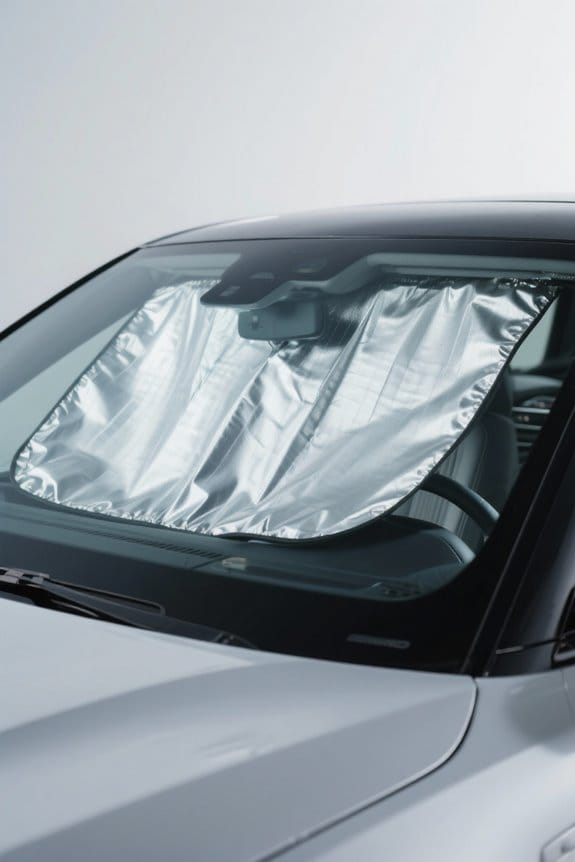
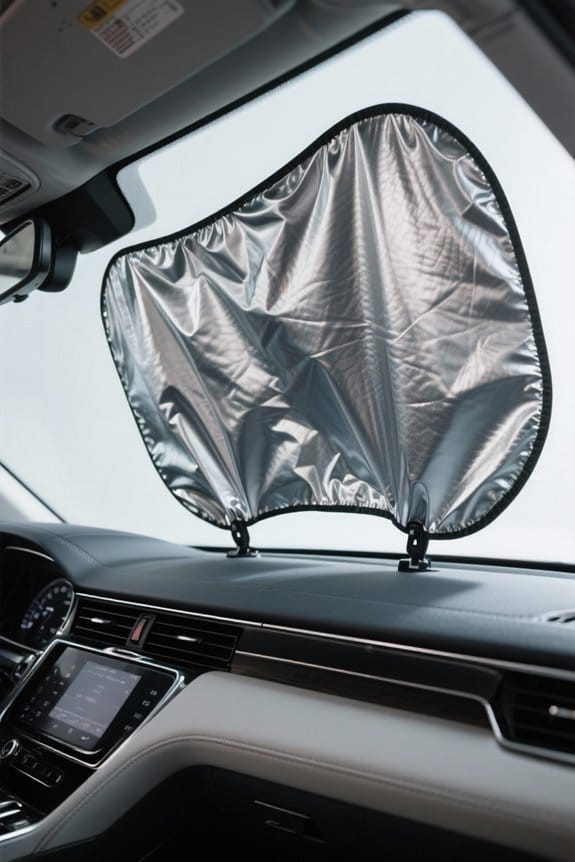
Wood responds to temperature and humidity like a tightrope walker to wind. Readers learn quickly that temperature and relative humidity shape wood behavior. Warm air at 70°F and 50% RH can raise moisture content (MC) to about 8–10%. Cold, dry air at 40°F and 30% RH drops MC several points. That change alters physical properties and stability, causing shrinkage, gaps, or slight cupping. Different wood species react differently; teak tolerates swings better than American elm. Acclimation matters: let material sit in its environment for days to weeks. Want a rule of thumb? Aim for EMC within 2% of jobsite conditions. A tester might joke, “Wood sulks when surprised,” but the data are clear and practical. Custom-fit automotive accessories like windshield sun shades can help reduce interior temperature swings that otherwise affect wood finishes and components.
Effects on Adhesives, Finishes, and Sealants

Think of adhesives, finishes, and sealants as the hidden skin of a room — and they react to temperature like people react to a surprise party. Temperature swings can make adhesives lose adhesion and fail under thermal expansion. A typical polyurethane adhesive ($12–$20 per 300 ml) may cure too fast above 80°F, causing weak bonds. Finishes like alkyd varnish often need 50–85°F to cure; outside that range durability drops and appearance dulls. Sealants get brittle below 40°F and soften above 100°F, cracking joints. In extreme conditions the chemistry degrades, raising off-gassing of volatile organic compounds. What can be done? Test products at realistic temps. One pro tester joked, “It’s like baking — timing matters.” Practical monitoring prevents surprises and costly rework. Using multi-layer construction in adjacent assemblies can help buffer temperature swings and reduce stress on these materials.
Impact on Flooring, Cabinetry, and Furniture Joinery

Adhesives and sealants aren’t the only things that sulk when temperatures swing; flooring, cabinetry, and furniture joinery show it too. Wood flooring can expand 1/4 inch per 10 feet from moisture-driven temperature shifts, creating gaps or crowning. Cabinets may warp or delaminate, and veneers can peel, harming structural integrity and looks. Joints in furniture loosen like tired shoelaces if not allowed movement. Stable indoor temperature—around 68–72°F—and 40–50% humidity reduces stress. Monitoring with a $20 digital hygrometer helps; contractors often recommend seasonal inspections at $75–$150. Notice a creak or a split? Address it before trim or refinish costs $300–$1,200. “Feels like the house is breathing,” a tester joked. Many homeowners also use sun shades and visors to limit interior heat buildup and UV exposure, which can accelerate material degradation and fading, especially when parked in direct sunlight sun visors.
Moisture-Related Risks: Mold, Swelling, and Decay
Because temperature swings trap moisture like a sponge in a closed box, interiors can turn damp fast and invite mold. Interior materials such as wood and drywall absorb humidity and can swell within days. Mold may appear in 24–48 hours after water intrusion. At 60–80% relative humidity, risks jump; keep humidity between 30%–50% to avoid decay. Wood expands measurably — roughly 0.5% to 1% — and that can cause warps, gaps, and structural damage over time. Visible mold harms air quality and can make occupants sick. A $30 hygrometer gives quick readings; a $150 dehumidifier can control moisture in small rooms. Who wants musty smells and repairs? Not you. Using vehicle sun shades with high UV protection can also help reduce interior temperature swings and moisture buildup by blocking sunlight and heat gain, so consider models with UV protection for best results.
Plumbing, HVAC, and Mechanical Components Vulnerability
Often, a dropped thermostat reading signals trouble before anything dramatic happens. Pipes can freeze and burst in single-digit cold. Insulating plumbing with 1/2-inch foam sleeves ($0.50–$1.50/ft) near outer walls prevents that. HVAC units keep indoor climate stable; a $50 temperature and humidity sensor warns of risky swings. Mechanical components suffer from humidity levels that corrode bearings and valves. Pressure fluctuations during heat spikes stress pipe joints and cause leaks. Thermal damage builds slowly, like rust on a bike chain. Who wants a flooded basement or a seized pump? Regular checks, sensible insulation, and sensors cost less than major repair bills. “It’s saved me twice,” says one tester, half-joking, half-relieved. Consider also using a reflective windshield sunshade to reduce interior heat buildup and protect components UV protection.
Strategies for Material Selection and Installation
When temperatures swing, pick materials that tolerate movement instead of fighting it. Readers learn to choose materials with low thermal expansion; engineered wood, for example, shrinks less than solid oak. A 4×8 engineered panel often costs $45–$90 and resists warping better. Proper installation matters: leave 10–12 mm expansion gaps at edges. Add insulation (R-13 for walls, R-30 for attics) to stabilize indoor temperature and protect finishes and adhesives. Use adhesives rated for high-temperature stability; they cost about $12–$25 per tube. Monitor humidity and temperature with a $25 digital hygrometer. Who wants cupped floors or cracked trim? Not you. Practical testing helps: one contractor joked, “It’s like tango—materials need space to move.” Simple monitoring prevents costly repairs down the road. Custom-fit sunshades can also reduce interior temperatures and protect materials from UV damage, helping extend the life of finishes and upholstery with UV protection.
Frequently Asked Questions
How Does Temperature Affect Materials?
Theroretical sketch: temperature expansion causes growth and thermal contraction causes shrinkage. It alters material durability, indoor climate and humidity levels; design adaptability, building insulation and energy efficiency preserve occupant comfort through seasonal adjustments.
How Does Climate Affect Interior Design?
Climate shapes interior design by dictating sustainable design, lighting choices, furniture durability, space planning and texture variety; it influences color psychology, aesthetic appeal, cultural influences, trend adaptation and ultimately determines user comfort.
What Material Changes With Temperature?
Wood expansion creaks like a warming chest, while metal contraction, glass insulation shifts, concrete durability alters, fabric shrinkage, paint adhesion weakens, tile warping, plaster cracking, plastic flexibility increases and ceramic stability largely remains.
How Does Temperature Affect Material Failure?
Temperature induces thermal expansion and thermal cycling, driving material fatigue, stress fractures and brittle behavior; moisture absorption and elasticity loss reduce dimensional stability, accelerate composite degradation, and shorten service life through progressive weakening and failure.