As an Amazon Associate, we earn from qualifying purchases. Some links on this site are affiliate links at no extra cost to you. Our recommendations are based on thorough research and editorial judgment.

Do You Need Sun Shades in Winter? Year-Round Benefits

Winter sun still matters for comfort and safety. Snow can reflect up to 80% of sunlight, so polarized sunglasses ($50–$150) and 50% shade cloth cut glare and squinting. Window films and cellular shades save energy and reduce drafts by about 40%. Retractable covers start near $400; fixed pergolas run $1,500–$6,000 in heavy-snow areas. Who wants icy glare on a commute? Practical tips and product picks follow for different climates.
Key Takeaways
- Winter sun and snow reflection still produce strong UV exposure, so sun shades or sunglasses remain important for eye and skin protection.
- Shades and energy-efficient window films reduce low-angle heat gain and drafts, improving indoor comfort and lowering heating costs.
- Polarized lenses and 50% shade cloth cut glare from snow and ice, enhancing visibility and safety for driving and outdoor activities.
- Fixed or insulated window treatments and storm windows can reduce drafts up to 40%, preserving warmth and protecting interiors.
- Choose climate-appropriate, durable materials (e.g., 600D Oxford, sloped roofs for snow) to ensure year-round performance and longevity.
Why Winter Sun Still Matters for Comfort and Safety

You may be interested


Although temperatures drop, winter sun still hits hard enough to matter for comfort and safety. Readers learn that UV protection remains essential; snow can reflect up to 80% of sunlight, raising exposure. Polarized sunglasses or a 50% shade cloth can reduce glare and improve visibility on skis or during drives. Energy-efficient window films, $25–$150 per pane, block low-angle heat gain and cut drafts. A retractable awning, 10-foot wide, runs about $600 installed and shelters patios from wind and drifting snow. Imagine sun that behaves like a sneaky spotlight on bright white stages. Tester Maria joked, “It blinds and chills you at once.” Using proper shades and films also helps preserve interiors by providing UV protection and reducing heat-related damage.
How Sun Shades Reduce Glare From Snow and Ice

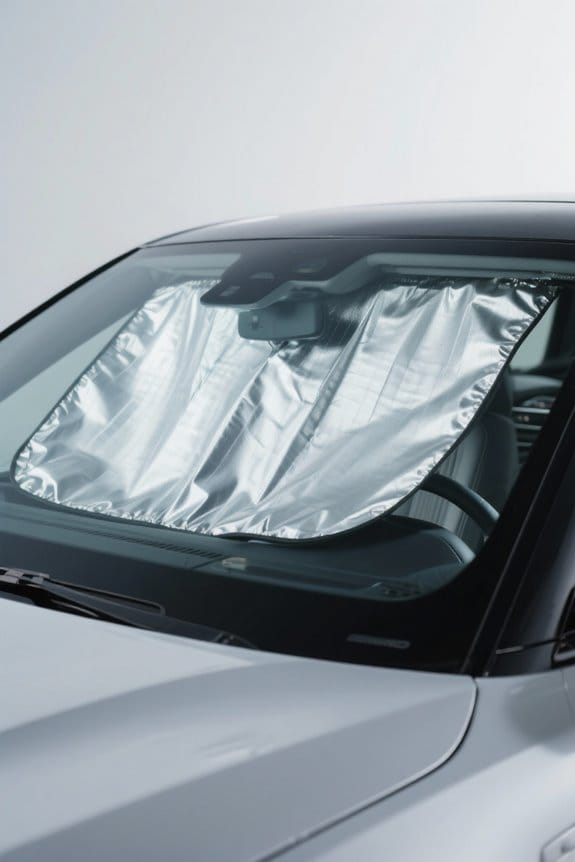
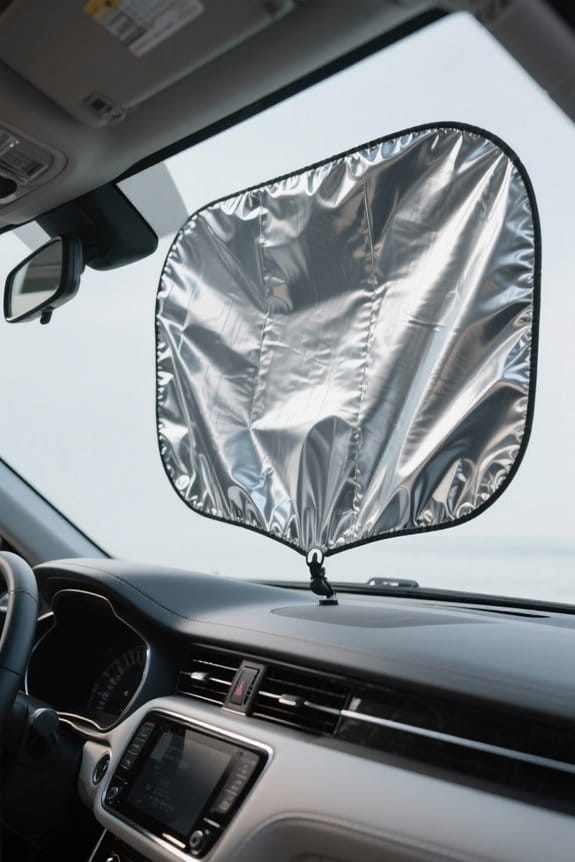
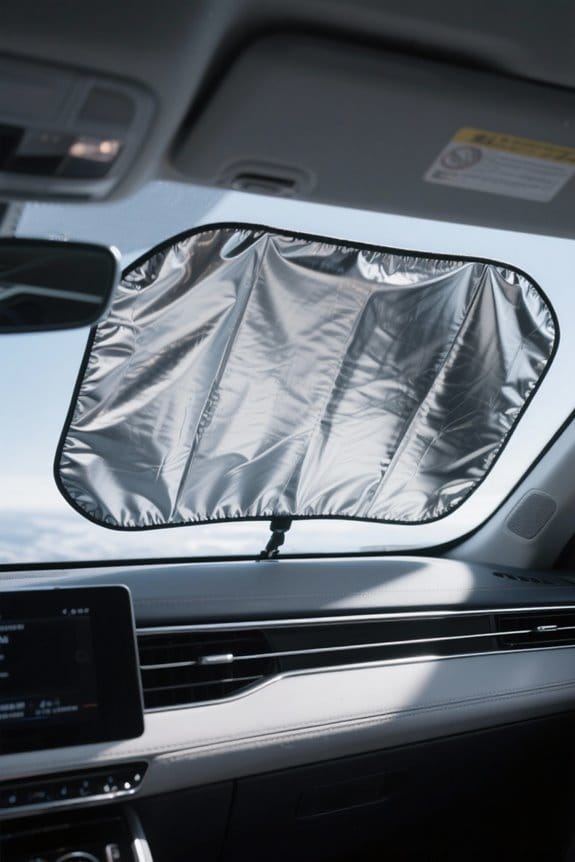
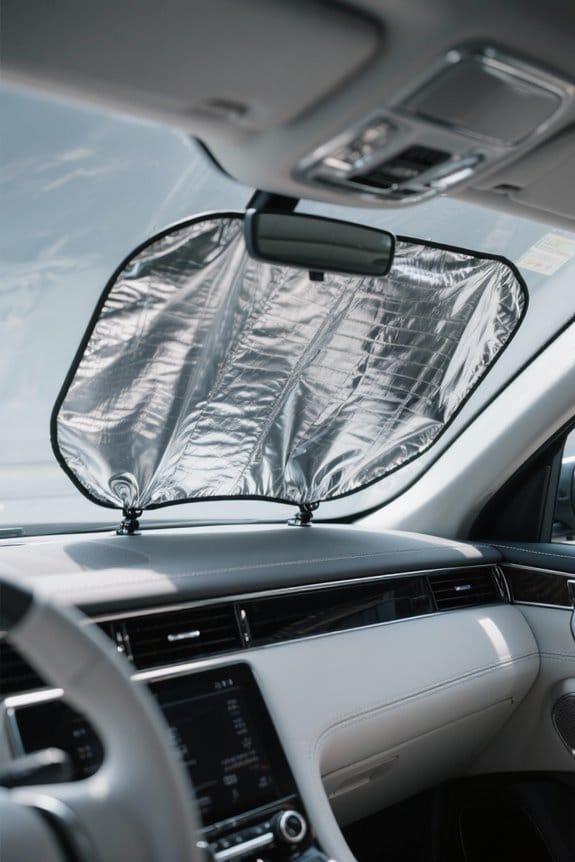
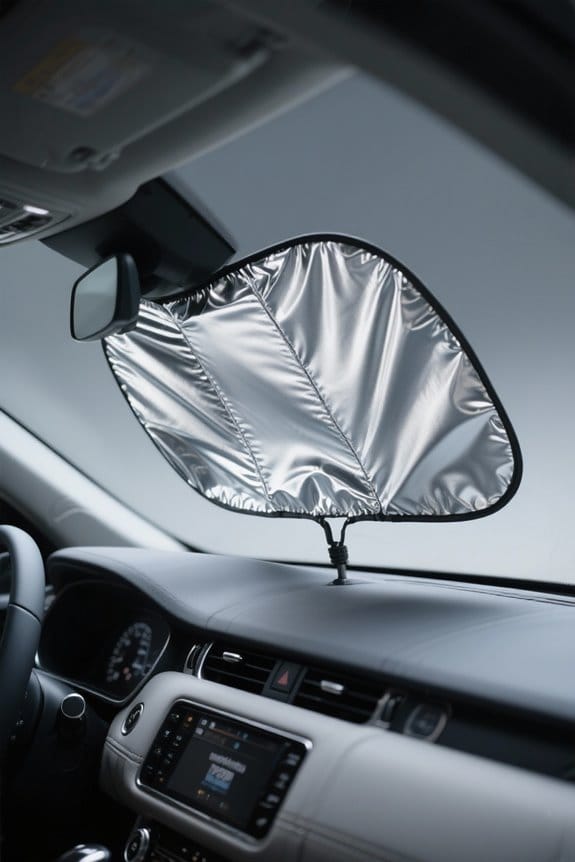
When winter sun ricochets off snow and ice, it can feel like walking into a camera flash. Polarized sun shades cut that glare. They block reflected light and improve contrast by up to 90% on bright days, making trail edges and ice patches clearer. A $100 pair with 58mm lenses and polarized filters often reduces squinting and headaches. They also reduce heat gain in cars by reflecting off dashboards and windows, keeping cabins about 5–10°F cooler in direct sun. Want proof? Testers say, “It’s like turning down a dimmer.” Lightweight frames and wraparound seals cost $40–150 and shield eyes from wind and debris. Who wouldn’t pick clearer vision and safer steps on powdery ground? Custom-fit windshield covers for vehicles like the Audi Q5 provide comparable protection by blocking UV and insulating against cold, reducing interior temperature loss and preventing frost buildup on windshields with tailored protection.
Protecting Eyes and Skin: UV Exposure in Cold Months

A clear pair of sunglasses is not optional in winter — it’s protection. Snow reflects up to 80% of sunlight, so UV rays hit twice: direct and bounced. Wear sunglasses rated 100% UV protection; many models cost $20–$150. Think polarized lenses for glare, 58–62 mm lens width fits most faces. Prolonged winter UV exposure raises cataract risk and dry-eye complaints. Sunscreen matters too: broad-spectrum SPF 30 applied to exposed skin prevents burns and long-term damage. Who wants red cheeks after skiing? Tester Sam joked, “Like frosting on a cake, but not tasty.” On cloudy days UV still penetrates, so don’t skip protection. Simple gear—sunglasses and SPF—offers measurable defense worth a small, smart investment. Custom-fit sun shades for vehicles can also help reduce UV exposure and interior heat when parked, making them a useful addition to your winter protection temperature regulation.
Winter Energy Savings From Window Attachments and Awnings
Because winter sun still works its angles, thoughtful window attachments and awnings can make a home feel noticeably warmer and cut heating costs. AERC-certified storm windows and insulating cellular shades reduce drafts and heat loss by up to 40%. Outdoor awnings can block solar heat gain — as much as 65% on south-facing and 77% on west-facing windows — reducing reliance on radiators. Think of shades as a cozy blanket for glass. Prices vary: a basic cellular shade might run $50–$150 per window; retractable awnings often start near $400. Who wouldn’t like lower bills? Install fixed coverings for steady indoor temps. Homeowners report improved comfort and lower winter bills. Custom-fit sunshades for vehicles often block nearly 99.80% of UV rays and provide significant insulation benefits UPF 50+ for interior protection.
Best Shade Types for Year-Round Performance
Although winters can be harsh, choosing the right shade system makes outdoor spaces usable year-round and keeps interiors more comfortable. Retractable Awnings offer flexibility; a 12-foot model costs about $1,200–$2,500 and retracts on windy days. They provide summer shade and keep light snow off patios. Fixed Awnings and covered patios cost more upfront—expect $3,000–$8,000—but create dependable shelter and a dry outdoor room. Pergolas with shade cloth, priced from $800, add frost protection for plants while letting sun through. Gazebos make cozy spots for hot cocoa and a view of falling snow. Match choices to local climate and exposure. Want less maintenance? Choose sturdier frames and proven fabrics rated for cold and UV. Consider using heavy-duty fabrics like 600D Oxford for enhanced durability and weather resistance.
Designing Shade for Winter Wind, Snow, and Drainage
When northerly gusts hit and the snow starts piling up, good shade design does more than look tidy—it survives. Designers recommend snow load ratings of 20–40 psf for freestanding shade structures, with reinforced beams priced around $150–$400 each. Drainage must be planned: a 1% slope and 2-inch downspouts prevent pooling when snow melts. Wind-resistant choices help, too. Lower profiles and cross-bracing resist gusts of 50–70 mph. Use stainless or galvanized steel and powder-coated finishes to avoid rust from salt. Enclosed walls or a removable windbreak add comfort and cut wind chill. What about maintenance? Expect simple inspections twice a year and occasional clearing after big storms. “It stood up to March,” a tester joked, relieved and impressed. Many vehicle owners also rely on double-layer construction in sunshades to reduce interior temperatures and block harmful UV rays year-round.
Combining Natural and Built Shade for Seasonal Flexibility
Mixing trees with a pergola or retractable awning gives yards true seasonal smarts. A six-by-eight-foot pergola ($1,200–$3,500) pairs well with deciduous trees that drop leaves in winter. This combo gives summer shade and lets winter sun reduce solar heat gain. Retractable awnings, $400–$1,800, fold away to welcome daylight. Want flexibility? Install a motorized 12-foot awning for about $1,500 and control sun exposure with a remote. Plants improve air quality and soften hard edges. Imagine a leafy umbrella and a sturdy roof working as a team. How will you use your space? Testers say it feels like “a room with a window.” The mix extends outdoor seasons and keeps comfort predictable across changing weather. For year-round protection of vehicles parked outside, consider adding a windshield cover to prevent frost and reduce UV damage.
Maintenance Tips for Shade Structures in Winter Conditions
Curious how to keep a pergola or awning standing through sleet and snow? Regular protection and routine maintenance matter. Inspect for snow buildup weekly; 6–8 inches can add dangerous weight. Clear leaves and branches to stop moisture and mold. Test movable parts—retractable awnings, for instance—and remove ice with a plastic scraper, not metal. Use waterproof fabrics like 600D polyester ($40–$120 replacement panels) and stainless fasteners to resist rust. Check anchors and posts after freeze–thaw cycles; shifting soil can loosen bolts by a few millimeters. A neighbor joked, “My awning survived two winters and a raccoon.” Practical tools—ladder, gloves, cordless leaf blower—cost about $80 total. Small steps avoid big repairs. Who wants a sagging roof in March? Many owners also install UV-blocking sunshades to protect underlying surfaces and reduce long‑term sun and weather damage.
Choosing the Right Shade Solution for Your Climate and Lifestyle
Although the right shade choice depends on local weather, readers should think like seasonal planners: pick solutions that match wind, snow, and sun. Climate dictates the build. Heavy-snow areas get fixed pergolas or 12–18° sloped roofs ($1,500–$6,000). Windy coasts favor low-profile retractable awnings with wind sensors ($600–$2,000). Study the winter sun path to place panels for midday warmth and block gusts. Combine trees and lattice for mixed shade solutions that clean air and soften sound. What fits your lifestyle? A homeowner who entertains weekly may invest in a heated, adjustable system. Renters often prefer portable screens or 8’x10′ pop-ups ($80–$250). “It feels like adding a room,” one tester laughed, and it often does. Consider choosing covers made from 600D Oxford fabric for durability and year-round protection.
Frequently Asked Questions
Should You Use a Sunshade in the Winter?
Yes; it recommends winter sun protection because sunshades reduce cold weather glare, shelter from wind and snow, extend outdoor use, lower maintenance by limiting ice at edges, and protect frost‑sensitive plants for year‑round comfort.
Do I Need Sunglasses During Winter?
Yes — one needs sunglasses during winter. They provide UV protection and reduce winter glare from snow and ice, lowering eye strain, improving visual clarity for safe navigation, and doubling as a stylish accessory for cold-weather outings.
Is It Necessary to Use Sunscreen in Winter?
Yes. Winter skincare requires sunscreen: UV protection remains necessary as reflected and scattered rays still harm skin, so applying broad-spectrum SPF 30+ preserves hydration, prevents premature aging, reduces cancer risk, and supports overall skin health.
Do Solar Shades Help in the Winter?
Can solar shades help in the winter? Yes. They trap solar heat, reduce heat loss and drafts, limit winter glare and UV damage, and enhance comfort while lowering heating demand, yielding energy savings and steadier indoor temperatures.