As an Amazon Associate, we earn from qualifying purchases. Some links on this site are affiliate links at no extra cost to you. Our recommendations are based on thorough research and editorial judgment.

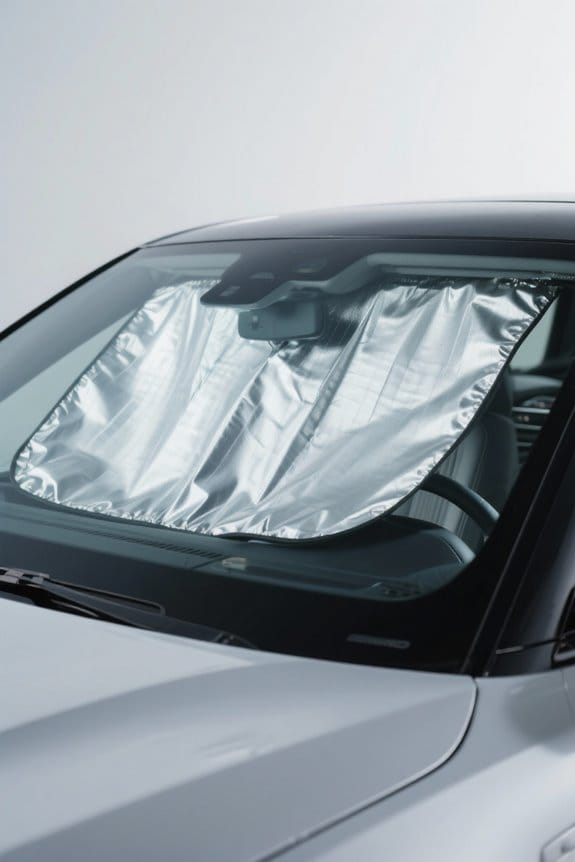
How Seasonal Sun Angle Changes Affect Your Parked Car

Seasonal sun-angle shifts change how much UV and reflected light a parked car gets, and that matters. Summer’s high sun blasts UV, causing up to 60% color loss in three years; basic wax ($15–$40) or a $20 UV-blocking cover cuts damage. Winter’s low sun and snow glare still reflect harmful rays. Park in shade, use a $10–$30 sunshade, and wax quarterly. Want simple checks and product choices that actually save paint?
Key Takeaways
- Lower winter sun angles and snow reflection increase localized UV exposure, raising paint fade and clear-coat wear risk.
- Higher summer sun angles cause intense direct UV and heat, accelerating color loss and clear-coat penetration within months.
- Seasonal angle changes create uneven fading across panels, making damage more noticeable and costly to repair.
- Park in shade, use UV-blocking covers, or apply wax/coatings to reduce UV exposure and heat-related deterioration.
- Regular washing, waxing, and inspections each season prevent etching, pollen buildup, and early paint or interior damage.
Seasonal Sun Angles and What They Mean for Your Vehicle

You may be interested


Sunlight is a quiet thief. Seasonal changes alter sun angles, and the car’s exterior pays the price. Readers see uneven fading where UV rays strike longer. A simple $15 UV-blocking car cover reduces direct exposure by about 80% in tests. Heat buildup climbs in summer, often 20–30°F above ambient, stressing paint protection and interior trim. In winter, low angles lower direct heating but spark glare from snow. Who wants a patchy hood? Maintenance matters: waxing every three months or using a $25 ceramic spray can slow breakdown. A tester joked, “It’s like sunscreen for your sedan.” Small steps prevent costly repainting later. Noticeable results appear within a season if protective habits are kept. Many vehicle owners also use custom-fit sun shades to block up to 99.9% of harmful UV rays and reduce interior heat.
How Increased Summer UV Accelerates Paint Fading

Because summer tilts the sun higher, parked cars take a harsher UV beating than most owners realize. Studies note up to 60% color loss in three years. Intense UV can bite through clear coat in as little as three months, leaving paint dull and porous. Imagine a favorite shirt faded on the line. A basic wax with UV inhibitors—about $15–$40 per bottle—can boost durability roughly 30%. Regular washes plus wax matter. Parked in direct sun, plastics go brittle and trim discolors faster. Need repair? Expect more frequent repainting or detailing services; a panel respray runs $200–$800. Want practical protection? Use shade, affordable ceramic sprays, or professional exterior care. Tester quote: “It’s like sunscreen for your car.” Many owners find that using custom-fit sun shades specifically designed for models like the Ford Edge provides superior coverage and reduces interior heat buildup.
Winter Sun Positions and Reduced UV Exposure Risks

After covering how brutal summer UV can be, attention shifts to winter’s much gentler sun and what that means for a car’s finish. Winter sun lands lower, so UV radiation exposure drops to an index near 2–4. That reduces paint damage risk versus summer’s 7–10+ readings. Park in shaded areas and risks fall further. Still, snow and ice act like mirrors and can bounce extra rays at your hood. Want a real-world fix? A $20 car cover or $15 tube of wax (3.5 oz) helps. Regular maintenance pays off. One tester joked, “It’s like sunscreen for cars.” Practical, cheap steps guard finish. Who wouldn’t prefer a protected ride over surprise dullness next spring?
Spring Showers, Pollen, and Moisture Interactions With Sunlight
While spring’s gentle rains feel forgiving, they can betray a car’s finish if ignored. Spring showers leave water spots that, under sunlight, etch paint over weeks. Pollen bonds with moisture to form a sticky paste that discolors the car’s exterior if not removed. Acidic rainwater concentrates as droplets evaporate, accelerating clearcoat wear. Moisture from dew plus trapped pollen invites mold in crevices. A $12 pH-balanced car wash soap, used weekly, helps remove deposits. A $20 spray-on protective wax lasts about four weeks and adds a sacrificial layer. Who wants faded paint? Regular washing prevents long-term damage and preserves resale value. “Feels like sunscreen for cars,” a tester joked, before recommending routine checks. After cleaning, consider using UV protection products to help prevent fading and prolong the finish.
Fall Sunlight, Leaves, and Temperature Swings Affecting Finish
As the sun sinks lower in autumn, parked cars get a longer, harsher dose of UV that speeds paint oxidation and dulls clearcoat shine. Fall sunlight brings more UV damage than many expect. The car’s exterior can contract and expand with changing temperatures, causing stress that may hairline the paint finish over months. Fallen leaves stick and drip tannins; one wet leaf left overnight can stain a panel by morning. Morning dew and humidity mean more water spots that etch if not removed within 48 hours. A 12-oz bottle of synthetic protective wax for $12–$18 will help. Who wants to scrub tannin stains in November? A tester quips, “Leaves are tiny grenades.” Simple waxing and quick leaf removal preserve appearance and value. Consider using windshield sun shades to reduce interior heat and UV exposure while parked.
Heat-Driven Interior Damage: Dash, Upholstery, and Electronics
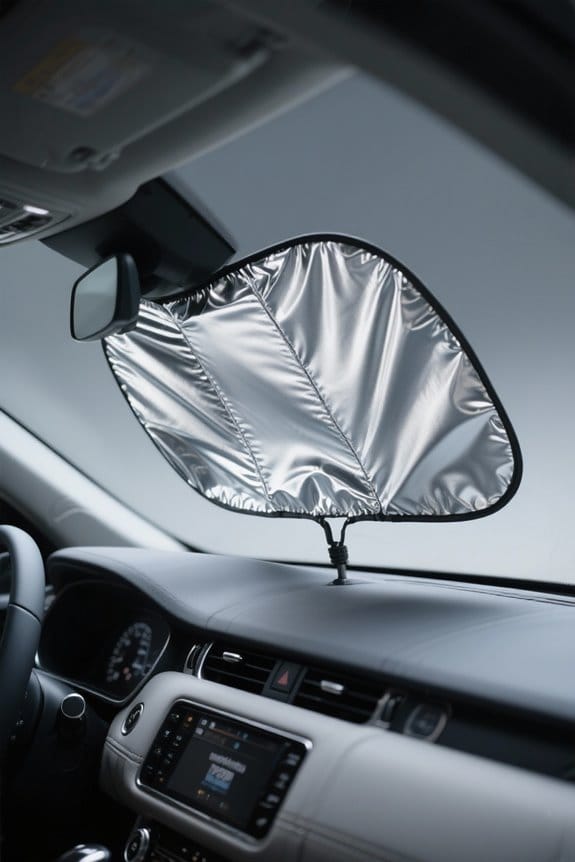
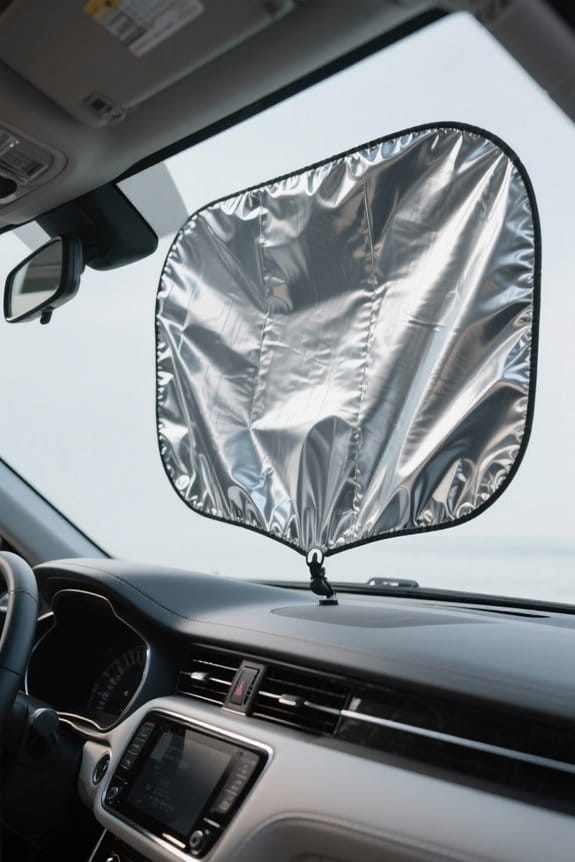
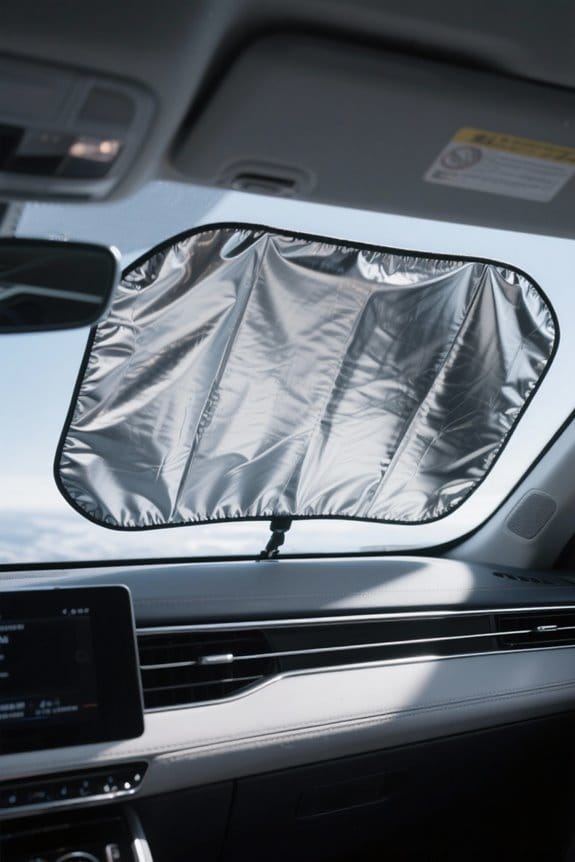
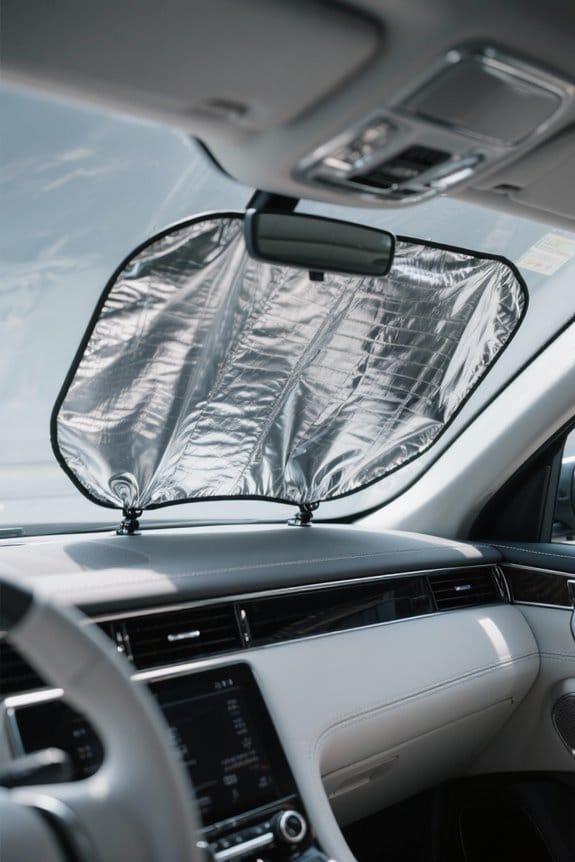
If the car sits baking in sun, the interior pays the price. Heat-driven interior damage shows up fast. Dashboard components can warp or crack after repeated days above 140°F. Upholstery fading is obvious on light seats; expect visible loss in months, not years. Electronic components, like a $300 head unit or $200 GPS, can overheat and glitch when cabin temps soar. Parked in direct sunlight, leather and vinyl may peel within a season. Want to protect dash materials and gadgets? Use sunshades or reflective visors ($10–$30) to cut cabin heat by about 30°F. Simple fixes help. Who likes a brittle dash or dead screen? Nobody. Take small steps now and spare future repair bills and disappointment. Consider using custom-fit sunshades designed for specific models to ensure maximum coverage and better protection.
Recommended Products

2X Heat Blocking with Double-Layer Design: Unlike standard single-layer sunshades, Magnelex uses dual 240T reflective layers for superior heat rejection and UV protection. Stay cooler, protect your interior, and feel the difference every time you enter your car.
![[2026 Upgrade] Weektic Windshield Sun Shade Umbrella, [Double Thickened Ice Crystal Coating] Sun & Heat Protection, Keep Vehicle Cool & Protect Interior, Zero Light Leakage Medium 57" L x 31" W](https://m.media-amazon.com/images/I/51Ke93znLcL._SL500_.jpg)
❄️ [Beat Summer Heat, Enjoy Cool Driving Comfort] Featuring newly upgraded thickened ice crystal fabric, this sun shade effectively blocks ultraviolet rays while reflecting and isolating up to 90% of external heat. It greatly reduces the internal temperature of your vehicle, keeping it steadily below a comfortable 78°F. No more burning-hot steering wheel and seat cushions, bringing you a consistently cool and pleasant driving experience.

Superior Heat & UV Protection: Keep your vehicle cool with the EcoNour windshield sunshade. This premium car sun shade windshield blocks harmful UV rays and heat, acting as a reliable sun shade protector and sun blocker for car windshield to help protect your dashboard, seats, and interior from sun damage.
Exterior Components at Risk: Trim, Rubber, and Headlights
Sunlight eats at exterior trim and rubber like a slow, invisible moth. Trim and rubber on bumpers, seals, and moldings often become discolored and brittle as seasonal sun angle shifts. Plastic pieces fade and lose elasticity; small cracks can appear within months. Headlights suffer too: UV can strip coatings and reduce output by about 30%. What can owners do? Routine maintenance helps. Apply a $10–$20 UV protection spray monthly, or a $50 ceramic trim coating that lasts a year. Protective coatings and films for headlights run $30–$150, depending on quality. A tester joked, “My headlights look ten years younger.” Practical, low-cost steps extend life. Who wants yellowed lights and cracked seals? Simple care prevents costly replacements. Consider using heavy-duty 600D Oxford fabric covers to protect exposed trim and glass when parked.
Parking Strategies to Minimize Seasonal Sun Damage
After protecting trim and headlights, attention turns to where the car spends most of its time: the parking spot. Seasonal parking strategies can shield the car’s exterior from Sun Exposure. Park in shade when summer’s sun is most direct. A tree helps, but watch for sap and falling branches. A high-quality car cover (UV-blocking, $40–$150) can block up to 98% of harmful UV rays and prevent paint fading during peak hours. Install a carport or awning ($500+), or shift parking angle in winter to reduce glare and ice buildup. Want an easy win? Move a foot or two; small changes matter. Testers say, “It’s like sunscreen for your vehicle.” These tips help protect your car so the vehicle remains in top condition. Many GMC Sierra owners also benefit from using custom-fit sun shades to reduce interior heat and UV exposure.
Recommended Products

Important Information for Purchasing: 1.Confirm your car window frame supports magnets.2.Use a fridge magnet to test magnetic ability.3.Magnetic area must exceed the rubber seal zone.4.Heat may weaken the magnet’s holding strength
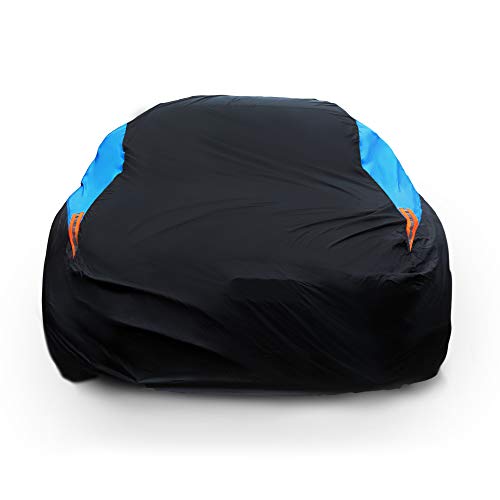
Size:Fit Sedan-Length(194"-206"),NOTE: Pls measure before buying the cover.
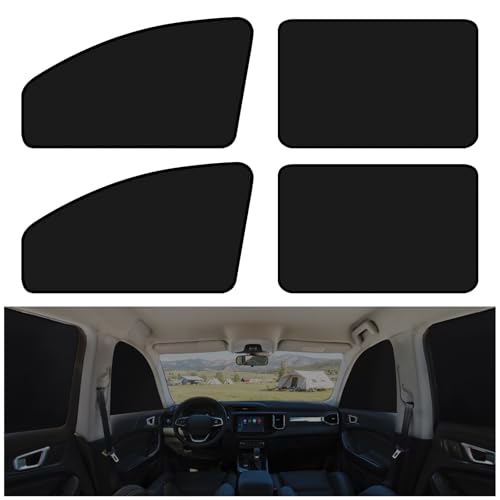
Magnetic Blackout Car Window Shades for Privacy: These magnetic car window shades are designed to fully cover side windows and create a darker, more private interior space. The blackout fabric blocks outside visibility and sunlight, making your car more comfortable during travel or rest
Protective Coatings, Waxing, and Ceramic Options for Year-Round Defense
When the seasons flip, a protective coating becomes the car’s sunscreen and armor at once. Readers learn that protective coatings can block up to 99% of UV rays. Ceramic coatings offer long-term protection; a professional ceramic job runs about $300–$1,200 and lasts years. Regular waxing creates a barrier too, improving durability by roughly 30%. A high-quality wax every three months, $15–$40 per can, helps maintain your vehicle’s glossy finish. Paint protection film adds localized defense for $500–$2,000, like a clear shield on vulnerable areas. Who wants faded paint? Not anyone. One tester joked, “It’s like SPF for your sedan.” These options resist dirt and oxidation, simplify care, and extend exterior life with measurable benefits. Custom-fit windshield sun shades for models like the Acura MDX can further reduce interior heat and UV exposure for enhanced protection.
Recommended Products

✅ THE NEXT GENERATION OF PROTECTION FOR YOUR ENTIRE VEHICLE! Adam’s UV Graphene Ceramic Coating is a clear, nanocrystalline coating that protects your vehicle from weather, chemicals, and UV rays while rejecting water, dirt and other deposits. Providing 10H hardness, more than 7 years of protection even in the harshest conditions.

10+ Years of Extreme Protection: Advanced ceramic coating for cars with 20H hardness – the toughest shield against UV rays, acid rain, and oxidation, keeping your paint flawless for over a decade.

Paint Protection That Holds - Your car faces UV rays, salt, acid rain, and scratches every single day. This ceramic coating bonds an 80% SiO2 layer to your paint that fights all of it, giving you nano ceramic coating protection professional detailers rely on.
Maintenance Schedule: Seasonal Washes, Polishing, and Inspections
Three simple routines keep a car looking cared-for all year. Wash every two weeks to strip pollen and road grime — think $10–$20 per self-service wash. Polish once per season; a 16‑oz polish costs $15–$30 and restores depth while fighting UV rays. After washing, apply a high-quality wax or sealant; expect 6–12 months of protection and up to 30% more gloss. Perform regular inspections for chips, scratches, and oxidation to catch problems early. Need more than elbow grease? Auto detailing services offer advanced coatings and deep cleaning from $150. Who wants faded paint? A quick check can safeguard paint longevity and resale value. Consider adding a custom-fit sunshade to your routine to reduce interior UV exposure and heat buildup custom-fit sunshade.
Recommended Products
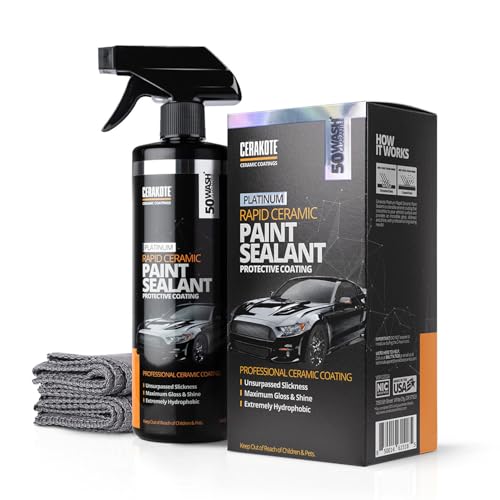
MAXIMUM GLOSS & SHINE: Delivers an extremely glossy, mirror-like finish on clean paint. Use as a standalone sealant or a quick ceramic topper that deepens color and adds slickness, not a one-step miracle coating or a paint corrector

FLEXIBLE APPLICATION: Meguiar’s Quik Wax is easy to work with on clean painted surfaces whether they’re wet, dry, or even in direct sunlight; it’s the perfect choice for professional detailers and enthusiasts to shine and protect their way

IMPROVED FORMULA: Experience the ultimate in automotive wax with Meguiar's Ultimate Liquid Wax. Our formula takes car care to the next level, delivering a glossier finish, increased protection, and exceptional water beading in one easy step
Choosing Professional Detailing Services for Seasonal Protection
Think of a professional detailer as a seasonal armorer for your car. A detail shop can apply ceramic coatings that block up to 99% of UV rays. Prices often run $300–$1,200 depending on size and prep. Regular detailing removes sap and bug splatter and adds paint protection to fight seasonal sun exposure. Want numbers? Without care, cars can lose up to 60% of paint vibrancy in three years. Detailers spot dullness early and can save roughly 40% of paint from flaking. They also offer headlight restoration, boosting night visibility about 30%. Who wouldn’t want clearer lights for winter? Think of it like sunscreen and polish for your ride. Ask for written warranties and a step-by-step service list. Sunshades and specialized products such as UPF 50+ can further reduce UV damage when your vehicle is parked.
Recommended Products

ULTRA-DURABLE PROTECTION: Borrowing from professional technology, this advanced formula is a premium ceramic coating for cars that delivers ultra-durable protection with increased gloss and slickness. Plus, this pro-grade coating is easy to use

LONG-LASTING PROTECTION: Ceramic wax polymers form a durable shield for your paint, protecting against UV rays, dirt and road contamintants, keeping your car cleaner for longer in between washes

✅ THE NEXT GENERATION OF PROTECTION FOR YOUR ENTIRE VEHICLE! Adam’s UV Graphene Ceramic Coating is a clear, nanocrystalline coating that protects your vehicle from weather, chemicals, and UV rays while rejecting water, dirt and other deposits. Providing 10H hardness, more than 7 years of protection even in the harshest conditions.
Frequently Asked Questions
What Happens if a Car Is Parked in Sunlight?
Up to 60% vibrancy loss can occur; a car parked in sunlight suffers UV exposure causing paint damage and interior fading, upholstery wear, temperature extremes and heat retention that harm battery life, accelerate tire degradation, and weaken electronics.
How Would Seasonal Temperature Changes Affect the Performance and Wear on Your Car?
Seasonal temperature changes degrade engine performance, accelerate tire wear, shorten battery lifespan, alter fluid viscosity, promote paint fading and interior degradation; temperature extremes increase maintenance frequency to prevent cumulative damage and preserve vehicle reliability and safety.
How Does the Sun Affect Your Car?
60% paint vibrancy loss in three years illustrates how sun harms cars: UV exposure and heat buildup cause paint fading, interior cracking, leather deterioration, windshield damage, reduce battery life and alter tire pressure.
How to Correct Sun Damage on Car?
He recommends car detailing: polish with UV-protectant, wet-sand oxidized areas, use scratch repair kits or repainting, apply paint protection or ceramic coatings; perform sunroof maintenance, windshield care, interior preservation, tire inspection, battery longevity checks, heat shielding.