As an Amazon Associate, we earn from qualifying purchases. Some links on this site are affiliate links at no extra cost to you. Our recommendations are based on thorough research and editorial judgment.

Sun Shades in Tropical Climates: What You Need to Know

Sun shades in tropical climates cut heat, glare, and UV damage with simple fixes. Think 600–900 mm overhangs, vertical fins for east/west, or retractable awnings costing $800–$2,500. Shade sails ($80–$250) and PVC fabrics resist sun and mildew. They can trim cooling bills 5–40% and keep interiors noticeably cooler—like a cold drink for a steaming car. Want glare-free mornings and calm afternoons? Keep going and the guide will show how.
Key Takeaways
- Use broad horizontal overhangs (600–900 mm) to block high tropical sun and reduce indoor heat gain.
- Fit vertical fins or adjustable louvers on east/west façades to stop low-angle morning and afternoon sun.
- Choose UV- and moisture-resistant materials (PVC, acrylic) for durability in humid, high-UV conditions.
- Combine fixed shading, operable blinds, and landscaping (trees 3–6 m away) for maximum cooling and glare control.
- Consider retractable awnings, shade sails, or custom vehicle shades to balance flexibility, cost, and UV protection.
What Is Solar Shading and Why It Matters in the Tropics
You may be interested

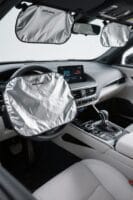

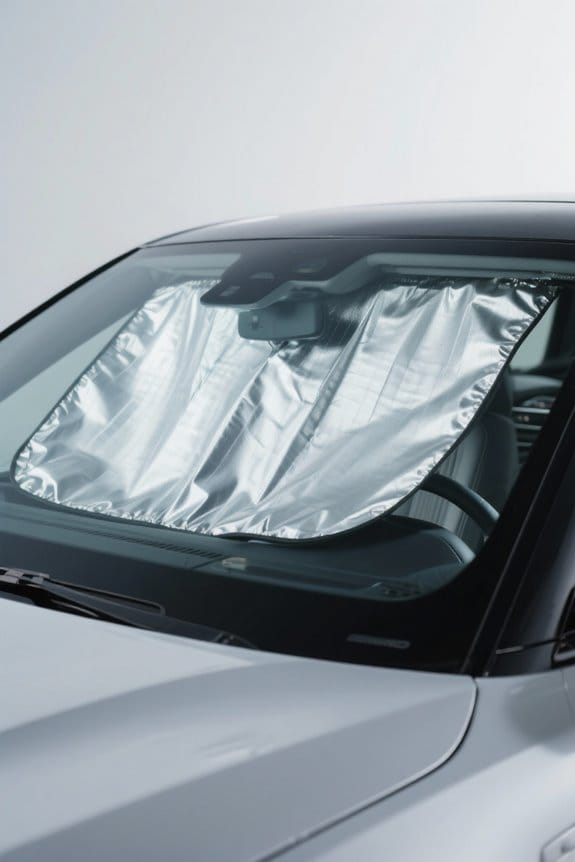
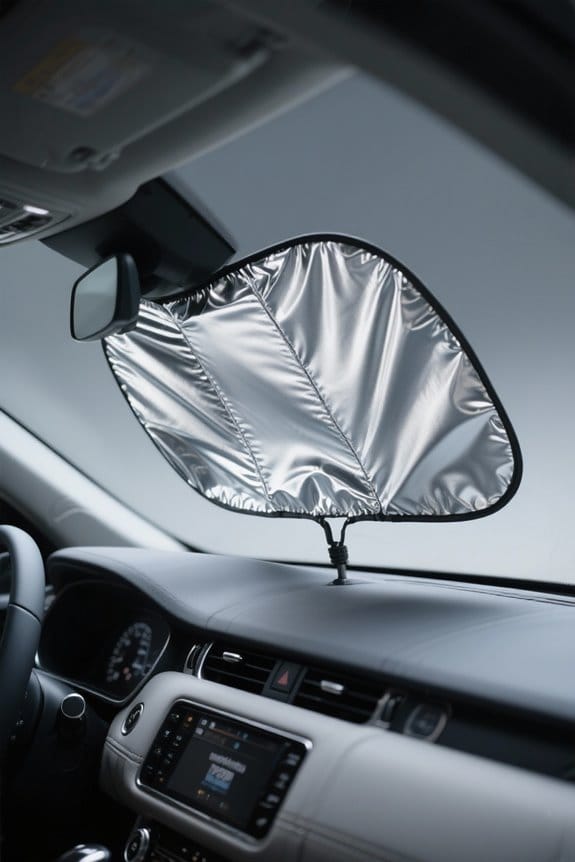
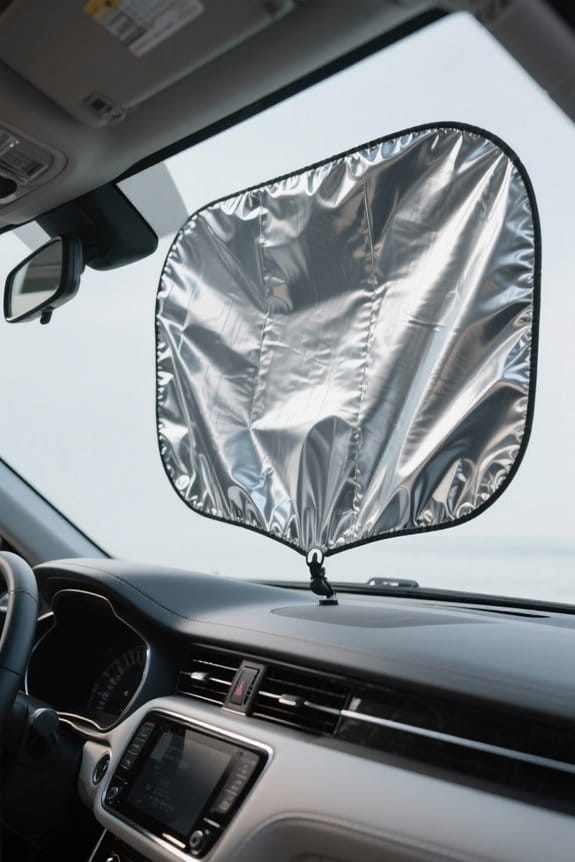
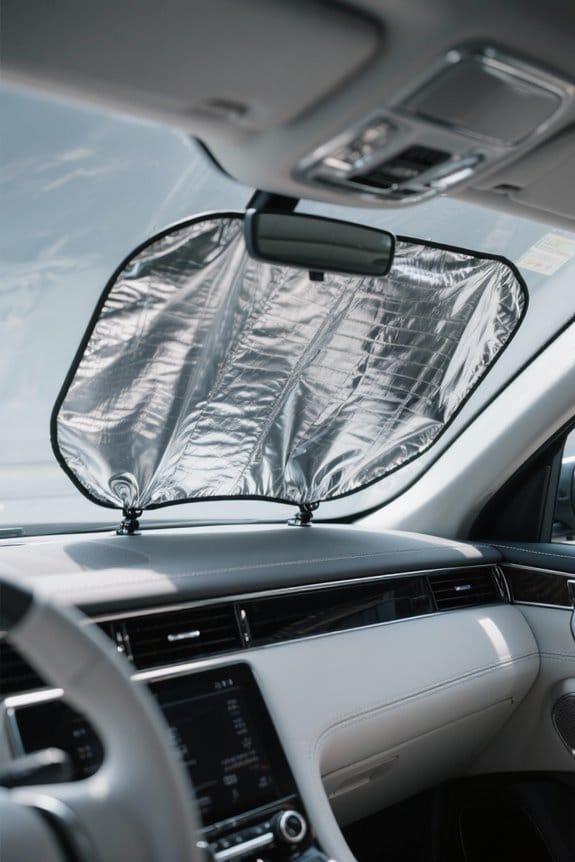
Sun shading is the unsung hero of tropical comfort. It keeps rooms livable by stopping direct sun and lowering indoor temperatures. Solar shading reduces heat gain by blocking harsh rays. In tropical climates, that can cut air-conditioning use 5–15%. Think of awnings and overhangs sized 1–1.5 m for small windows; a basic 1.2 m aluminum awning costs about $80–$150. Window shading options include blinds, louvers, and films. Effective shading combines vertical and horizontal pieces to match sun angles without heavy machinery. It gives sun protection while boosting energy efficiency and even complements renewable energy like PV panels. Want comfort that pays back? Ask a tester: “Feels cooler, saves money.” Practical, simple, and measurable. Windshield covers for vehicles, like the Chevrolet Bolt EUV, also help reduce interior heat by blocking up to 99% of UV rays and improving temperature control.
How Sun Angles Affect Shading Strategies

How high will the daylight hit your windows at noon? Readers learn that sun angles change by season and latitude. In tropical climates the sun sits high, so shading design favors broad horizontal shading devices — think 600–900 mm overhangs costing $30–80 per linear metre. It’s practical and calm. Early morning and late afternoon create glare on east and west exposures, so vertical fins or adjustable louvers help limit indoor heat gain. How much heat gain will you avoid? Estimates: good shading cuts cooling load 20–40%. One tester joked, “My AC finally takes coffee breaks.” Effective shading strategies follow the sun’s path, improving temperature control and lowering energy costs. Don’t guess. Measure angles, pick products, and save money. For vehicles like the Ford Bronco, consider custom-fitted sun shades that offer multi-layer insulation and can block up to 99% of UV rays to protect interiors and reduce cabin temperatures.
Best Shading Solutions for East and West Façades

After discussing high-angle shading for tropical windows, attention turns to the stubborn east and west façades that bake in morning and late-afternoon light. Readers are told that east and west façades need targeted shading strategies to cut heat gain. Vertical shading devices, like 600–900 mm fins or louvered panels priced $50–$150 each, block low solar angles. Large overhangs of 800–1000 mm help but may not stop afternoon sun fully. Natural landscaping—fast-growing trees placed 3–5 m from walls—adds shade and cools indoor temperatures. Simple tests of local solar angles guide placement. One tester joked, “It’s like sunglasses for your house.” Practical choices balance cost and performance. Want measurable relief? Combine verticals, overhangs, and planting for best results. For additional protection on vehicles parked outside, consider windshield shades that block up to 99% of UV rays and can lower interior temperatures by up to 40°F UV protection.
Effective Shading for North and South Orientations
A careful plan makes north and south façades work for you, not against you. In tropical climates, north-facing windows usually need minimal shading because they get steady, indirect light. South-facing orientations demand more care. Wide overhangs—about 0.6–1.2 m deep—block high sun angles and reduce heat gain effectively. Fixed awnings priced around $150–$400 can help where budget matters. Combine shading devices with vegetation. A row of trees six meters away casts a reliable natural barrier in summer. Want indoor comfort without fuss? Analyze sun angles seasonally and pick overhangs or awnings sized to match those angles. One installer joked, “It’s like a sun hat for the house.” Practical, modest measures keep interiors cool and occupants smiling. Consider using double-layer designs for added heat reduction and UV protection in windows and shading devices.
Materials and Devices That Withstand Tropical Conditions
Durability matters in the tropics. PVC (vinyl coated polyester) and acrylic fabrics resist UV rays and offer moisture resistance. Shade sails, starting around 10 x 10 ft for $80–$250, are lightweight and easy to rig. Outdoor roller shades using durable mesh fabric block sun but keep airflow; expect 80–90% UV blockage for mid-grade screens. Retractable awnings give flexible cover for patios; a 12 ft unit runs $800–$2,500 installed. Wood like teak or bamboo looks warm but needs sealing and pest checks every 1–2 years. Which option fits your outdoor space? Think about wind, rain, and maintenance time. “Tested in heavy storms,” one reviewer joked, “it survived better than my umbrella.” Practical, proven choices matter here. Many vehicle owners in tropical regions also use custom-fit windshield sun shades designed to block up to 99% of UV rays and reduce interior heat, such as custom-fit designs tailored for specific models.
Recommended Products

𝗖𝗢𝗟𝗢𝗥 & 𝗦𝗜𝗭𝗘: Classic Series Features a Gray Frame, Fabric Color: Canvas Umber (solid), Size: 13' Wide x 10' Projection Full Extension. Advaning Awnings are 100% Fully Pre-Assembled and Ready for Installation.

Super Heavy-Duty Commercial Grade Design: Crafted from 280GSM extra-heavy-duty permeable fabric and reinforced with stainless steel mounting rings. The patented Artpuch design integrates steel cables into the edges, directing all pulling tension to the cables—enhancing both durability and appearance for commercial and residential use.

【𝗦𝗨𝗣𝗘𝗥 𝗛𝗘𝗔𝗩𝗬 𝗗𝗨𝗧𝗬 𝗡𝗘𝗪 𝗣𝗔𝗧𝗘𝗡𝗧 𝗗𝗘𝗦𝗜𝗚𝗡】: Made of 260 GSM permeable extra heavy duty fabric, heavy duty stainless mounting rings, cable wires built-in edges, integrate into the mounting rings, all pulling strength goes to the cable wires, not only making the edges more durable, it also enhence the appearance of shade sail.
Combining Natural Landscaping With Built Shade
When trees and pergolas work together, a yard feels like a cooler room without walls. Combining natural landscaping with built shade uses trees, shrubs, and pergolas to cut heat gain. Proper vegetation can lower ambient temperatures by up to 10°F. A 10-ft pergola paired with two native shade trees reduces afternoon sun on walls by roughly 40%. Homeowners save on cooling and enjoy habitat for birds. Choose drought-resistant species at $25–$50 per sapling for low upkeep. Shade structures like awnings and shade devices complement plant layers, blocking low sun while letting high light in. Want measurable comfort? Test with a handheld thermometer and note a 3–7°F drop under combined shade. Custom-fit sunshades for vehicles can similarly reduce interior temperatures and protect surfaces with high UV reflection solar light reflection.
Choosing Fixed vs. Adjustable Shade Systems
Although fixed panels stand like sentries against tropical sun, adjustable shades act like smart umbrellas that move with the day. Fixed shade systems block direct sunlight continuously and help minimize heat gain; a 2.0m overhang can cut solar load by 30%. Adjustable shade systems offer flexibility for changing sun exposure, letting occupants tune light and airflow. Materials selection matters: powder-coated aluminum for fixed frames, lightweight PVC or screened fabric ($40–$120/m²) for movable slats. Designers must study the sun path to reduce indoor heat accumulation and choose angles accordingly. Adjustable units need regular operational checks; expect service every 1–2 years. Which suits you? Fixed is low-fuss. Adjustable is adaptable and slightly more hands-on, and often worth it.
Recommended Products
Removable washable, Magna-Tech liner

Independent Counterweight, Easy to Assemble: Say goodbye to the hassle of traditional ballast tanks! No more struggling to assemble ballast compartments or buying pebbles and sand. With just one simple step—easily attach the ballast box to the umbrella pole—you’re ready to place it in the pool. The ballast box is cleverly designed: compact in size (Diameter: 8.7 in) yet heavy enough to provide stability, offering the perfect balance of portability and practicality. Make your pool experience easier and more efficient than ever!

Frequently Asked Questions
What Is the Disadvantage of a Shade Sail?
A shade sail’s disadvantage includes limited UV protection over time, installation challenges and wind resistance concerns; material durability and maintenance tips matter, affecting aesthetic appeal and cost factors, prompting consideration of design options or alternative solutions.
How to Choose a Sunshade?
About 85% of heat gain occurs through windows, so one chooses a sunshade by weighing fabric types, color selection, UV protection, size considerations, frame materials, installation tips, maintenance needs, portability options, style variations and budget factors.
What Is the Rule of Shading?
The rule of shading states extend one foot for every two feet of window height to guarantee shading effectiveness. It balances ideal angles, limits light penetration, aids heat reduction, UV protection, material types, installation tips, aesthetic appeal, seasonal adjustments, environmental factors.
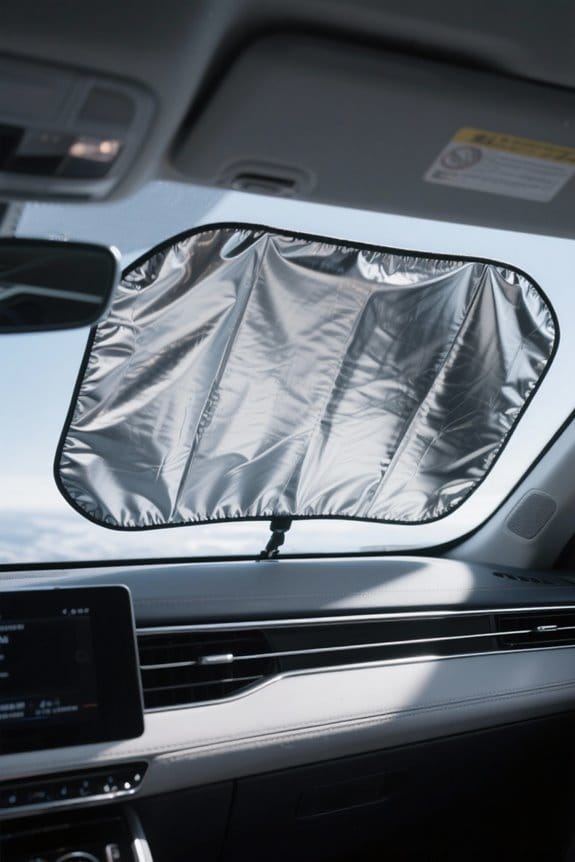
Why Is My Car Still Hot With Sunshade?
Because heat transfers through materials, the car stays hot despite a sunshade. For example, a commuter noted high car interior temperature due to poor sunshade effectiveness, metal heat absorption, limited shade size optimization, humidity effects assessment ignored.