As an Amazon Associate, we earn from qualifying purchases. Some links on this site are affiliate links at no extra cost to you. Our recommendations are based on thorough research and editorial judgment.

Coastal Vs Inland: Different Sun Protection Needs

Coastal sun hits harder than inland light. Water and sand can reflect up to 80% more UV, pushing midday UVI to 10–13. Pack a broad‑spectrum SPF 30+ water‑resistant sunscreen (3–4 oz, $10–$20), UPF 50+ long sleeves, and a 3–4 inch brim hat. Clouds lie sometimes; up to 80% of UV still gets through. Want a lip balm and UV sunglasses? They help. Keep this checklist handy and more tips follow.
Key Takeaways
- Coastal areas increase UV exposure due to water and sand reflection, sometimes boosting exposure up to 80%.
- Inland UV risk is still significant midday; limit outdoor time between 10 a.m. and 4 p.m. when UVI peaks.
- Wear UPF 50+ clothing, wide-brim hats, and UV-protective sunglasses in both coastal and inland settings.
- Use broad-spectrum sunscreen SPF 30+ and reapply every two hours, more often if swimming or sweating.
- Don’t rely on clouds; up to 80% of UV can penetrate and reflective surfaces keep UV levels high.
Why Coastal UV Exposure Differs From Inland Areas
You may be interested


One clear reason coastal UV feels harsher is reflection: water and sand can boost UV by up to 80%. Readers learn that UV exposure in coastal areas often hits a UV index of 10–13 at midday. That’s much higher than typical inland areas, so skin damage risk jumps. Reflective surfaces magnify rays, and clouds don’t fully stop them. Imagine sunscreen tested at 50 SPF, $12 tube, rubbed on twice hourly. Practical sun protection matters. Wind and humidity sting skin more than dry inland air. Salt and pollutants add oxidative stress, so try antioxidant serums ($25) after sun. Tester quote: “It burned under clouds,” she said. Want to stay safe? Check the UV index, reapply sunscreen, and wear protective clothing.
How Reflective Surfaces Increase Sun Risk at the Shore

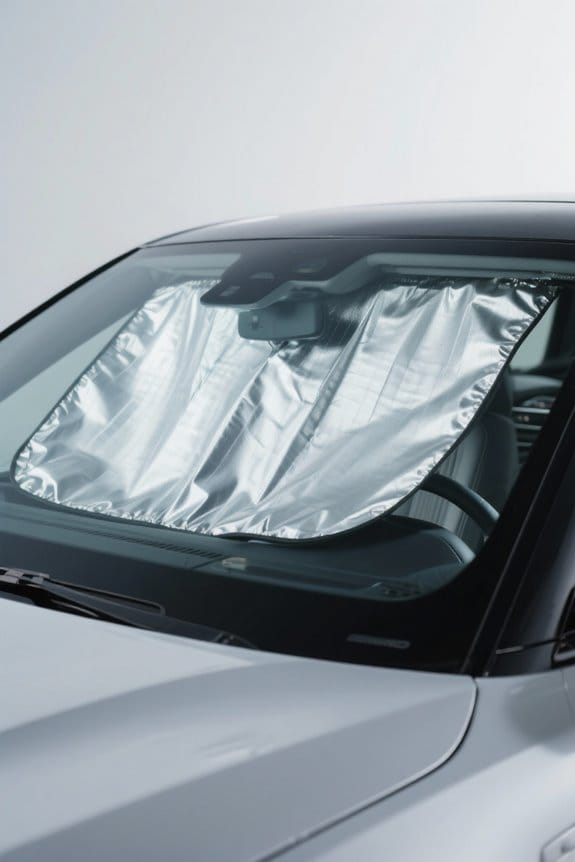
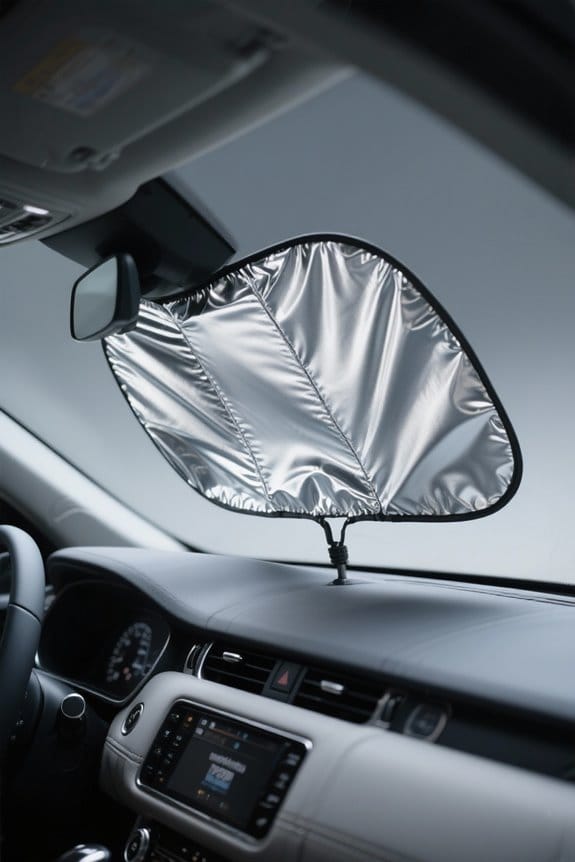
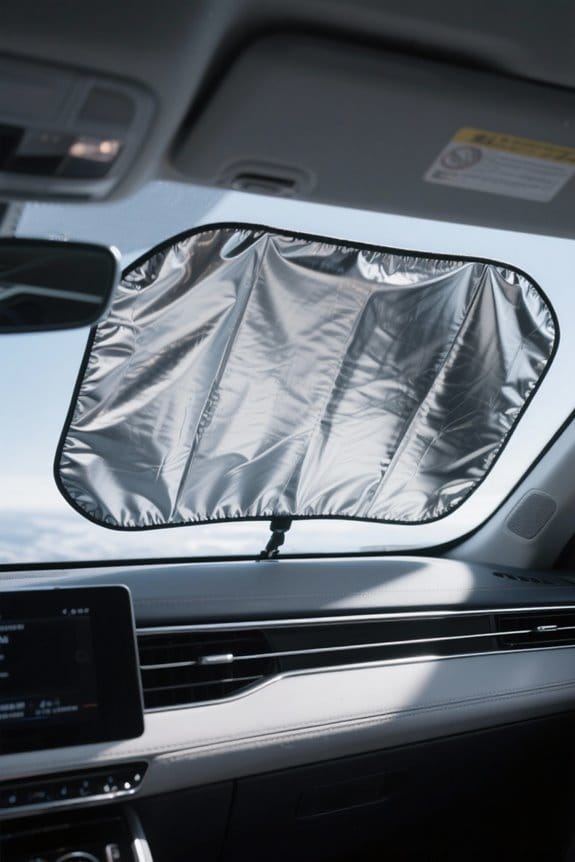
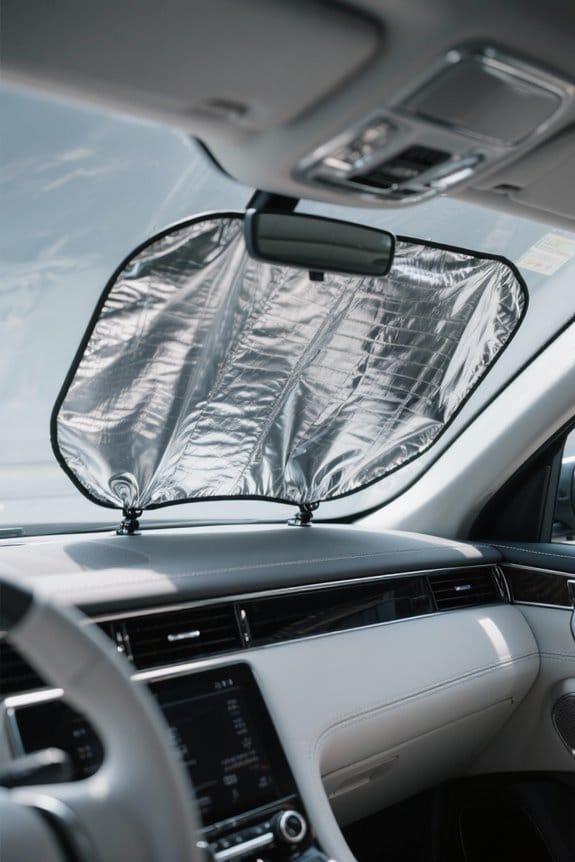
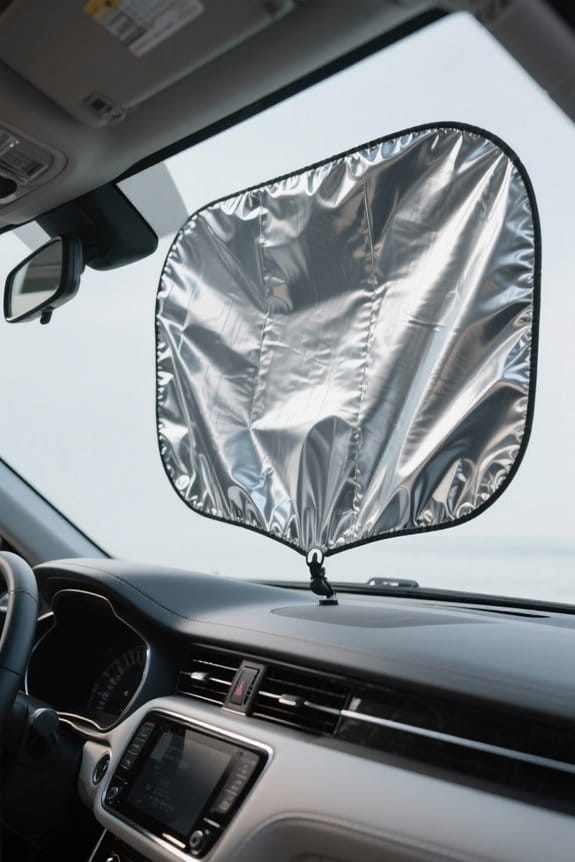
Reflection is a hidden amplifier at the shore. Readers learn that water and sand act like mirrors, reflecting up to 80% of UV back at the body. Coastal areas reach UVI 10–12 midday, so the risk of sunburn rises even when shade seems nearby. Imagine a beach towel turned into a tiny sun furnace. Want specifics? A broad-spectrum SPF 30 sunscreen (about $10–15 per 3 oz tube) buys roughly 97% UVB blockage when applied properly. Even on cloudy days, reflective surfaces keep UV levels high, so sun protection must be consistent. Try a wide-brim hat and UPF 50 swim shirts (around $25–40). Tester quote: “I thought I was safe — until my ears burned.” How will you protect yourself? Custom-fit sunshades for vehicles can also help reduce interior reflected UV and heat by up to 40°F when used properly, especially models made from reflective polyester.
When Cloud Cover and Marine Layers Give a False Sense of Safety
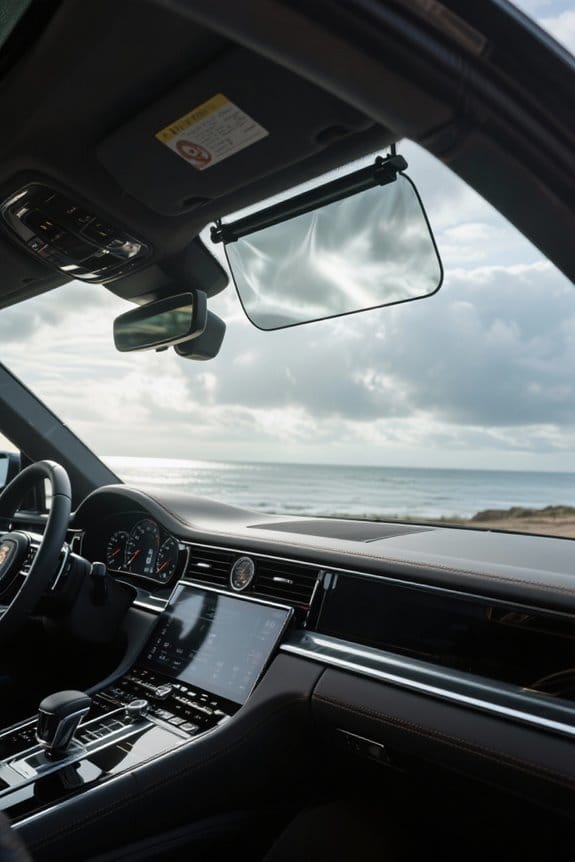
Those glossy shorelines that were just discussed can make overcast days feel safe — but that’s a dangerous illusion. Clouds block some sun, yet up to 80% of UV radiation still reaches skin. In coastal areas, water and sand boost exposure by about 25%. So what to do? Check the UV index each morning. Use sunscreen SPF 30–50; a 3 oz bottle often costs $8–15 and lasts a week with daily reapplication. Apply two milligrams per square centimeter of skin — roughly a shot-glass full for the face and neck. Marine layers look mild, but collagen damage accumulates. Adequate sun protection means hats and sunscreen even on gray days. “I felt safe,” a tester joked, “until my shoulders burned.” Be practical: don’t trust clouds. For extra protection in vehicles, consider using a custom-fit sun shade to block UV and reduce interior heat, especially on long coastal drives with reflective surfaces like water and sand increasing exposure to sunlight — a simple addition like a custom-fit sun shade can make a noticeable difference.
Clothing and Fabric Choices for Beach and Urban Environments
Few items make as big a difference as the right shirt and hat at the beach or on a city block. Readers learn that sun-safe clothing matters: UPF 50+ shirts block nearly all rays. At the beach, lightweight long sleeves and pants in tightly woven fabric cut reflection from water and sand. Add a wide-brimmed hat — 3–4 inch brim recommended — and UV-protective swimwear. In cities, breathable materials like linen blends keep you cool; expect $30–$80 for a good sun shirt. Layers help when temperatures swing between 60–85°F. Tester quote: “Feels like armor, not a sweater.” Want specifics? Look for UPF tags and fabric density. Simple choices reduce sun risk while letting you enjoy coastal environments and urban life. Many vehicle owners also use custom-fit sunshades to protect interiors and reduce heat buildup.
Recommended Products

UPF 50+ Sun Protection – Blocks harmful UVA/UVB rays to help protect your skin during hiking, fishing, beach walks, and outdoor workouts.

UV Protection: Our long sleeve sun shirts features cutting-edge UPF 50+ technology, effectively blocking UVA and UVB rays to ensure robust sun protection during your outdoor adventures

Polyester Material, Lightweight, Quick Dry, Moisture Wickingand Comfortable
Sunscreen Selection and Reapplication Strategies for Coastal Days
On a bright beach day, a single tube of sunscreen can be as important as sunglasses. Coastal reflections make suns harmful rays bounce everywhere. Experts advise a broad-spectrum sunscreen with SPF 30+ to reduce your risk; a typical 3 oz bottle runs $8–$15. High UV means reapply every two hours, and after swimming or heavy sweat. Water-resistant sunscreens (40–80 minute claims) help, but they’re not magic. Ever watch a tan line turn into a lobster shade? That’s UV risk at work. Cover exposed scalp, chest, feet and rub in 1 ounce per limb area. Use sunscreen even on cloudy days. Tester quote: “It’s like putting on invisible armor,” she joked. Practical tip: set a two-hour alarm. High-quality sun protection also preserves car interiors by blocking UV rays that fade and damage dashboards and upholstery.
Eye and Lip Protection: Preventing Sun Damage Beyond Skin
Beside sunscreen for the skin, eyes and lips need their own defenses. Readers learn that eye protection matters: UV-blocking sunglasses (99–100% UV, $20–$150) reduce cataract risk. Lip protection is often ignored; SPF 30+ lip balm (about $4–$12) shields thin skin from burns and cancers. Reflective surfaces like water and sand double exposure, so combine wide-brimmed hats with polarized lenses for added safety. Sunscreen helps nearby skin but won’t protect mucous lip tissue. Consistent sun protection—daily sunglasses, SPF lip balm, and reapplication after eating—cuts long-term UV damage. Who wants sun-damaged eyes? Not anyone. A tester joked, “My sunglasses are my beach passport.” Practical habits preserve vision and skin health without drama. Many drivers also protect their vehicle interiors using UV-blocking sun shades to reduce heat and prevent fading.
Recommended Products
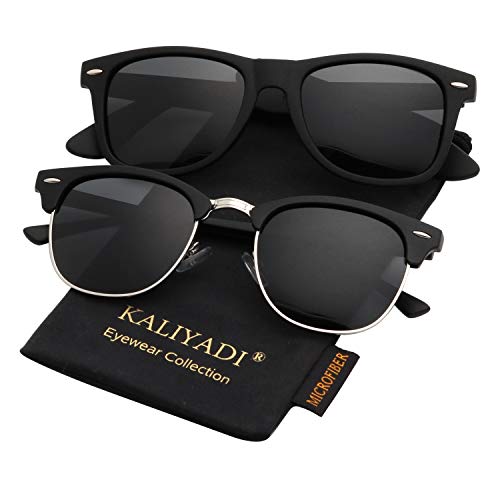
★ Protect Your Eyes With Style ▶ We created our polarized sunglasses men women to Protect your eyes while you are out under the harmful sun UV rays and to make you look Irresistible at the same time. Whether you are driving, walking or working, whether you are a man or a woman, prepare yourself for all the prime attention you can get and the admiration of all of those who can’t figure out your little secret: Your KALIYADI Sunglasses.

1.1MM TAC HD POLARIZED LENS – 1.1mm thick TAC HD polarized lenses block 99% of UVA/UVB rays and offer full UV400 protection. Scratch-resistant against keys and bag friction, they solve the problem of easily scratched lenses for busy women. Effectively cutting glare from roads, water and snow, they are ideal for driving. The lenses restore natural colors, filter scattered light, relieve eye fatigue, and provide safe, clear vision for all outdoor activities.

BIG FRAME SUNGLASSES ARE A MUST-HAVE ACCESSORY AND ON B-O-G-O! - These sunglasses are not overly huge, yet they are large enough for most women to show off their personality and fashion. The bigger the better applies to all fashion choices, including your frames.
Outdoor Activity–Specific Tips: Surfing, Hiking, and City Strolls
When people head outdoors, the sun’s mood changes with the setting — and so should their protection. For surfing, UV radiation bounces off water; a UPF wetsuit and SPF 30+ broad-spectrum sunscreen are nonnegotiable. A 4 oz tube ($12–$18) fits in a board bag. Hiking at elevation raises UV levels quickly; wear lightweight long sleeves, a wide-brim hat, and UV-blocking sunglasses. A $25 hat shelters neck and face. City strolls still reflect rays off glass and concrete, so reapply sunscreen every two hours and seek shade during peak UV hours. Check the UV Index before leaving. How hard is that? These outdoor activities demand simple gear and habit changes — reliable, affordable, and effective. Dual-layer sun protection like reflective fabrics and shades can further reduce heat and UV exposure by up to 99%.
Recommended Products

Skin Cancer Foundation Recommended Product; UPF 50+ Ultraviolet Protection

Skin Cancer Foundation Recommended Product; UPF 50+ Ultraviolet Protection

BOY'S RASHGUARD: Catch the wave of the day in our performance rashguard from Quiksilver. A high-quality swim top is a necessity for any boy's wardrobe, especially if they have UPF 50
Monitoring Skin Changes and When to See a Dermatologist
Check skin once a month like clockwork. Regular monitoring skin changes helps spot new moles or shifts in color and texture early. Think of it as a 60‑second audit after showering. Coastal sun and high UV radiation raise skin cancer rates, especially after frequent beach vacations. If a spot bleeds, itches, or won’t heal, see a board‑certified dermatologist promptly. Early detection improves outcomes; treatment can be simple when caught early. Use a mirror and phone camera to track size—measurements in millimeters matter. A $20 handheld mirror or $10 smartphone app works fine. Outdoor environments wear skin like sandpaper; sun damage builds quietly. Who wants surprises? Be proactive, ask a pro, and take notes for follow‑up. Consider also using vehicle sun shades with UV protection to reduce cabin heat and limit additional sun exposure to your skin.
Practical Sun-Safe Packing Checklist for Coastal and Inland Trips
Monthly skin checks lead naturally to packing smart for trips. Travelers should prioritize sun protection: coastal kits need broad-spectrum sunscreen SPF 30+ (3–4 oz, $8–15) because water and sand amplify UV radiation. Bring waterproof options and reapply every two hours. Pack lightweight clothing—long-sleeved, tightly woven shirts—to block high UV levels that can hit UVI 12. Inland trips call for hats with wide brims, UV-protective sunglasses, and timing activities outside 10 a.m.–4 p.m. Include lip balm with SPF ($3–7) and familiar tester quotes like “lasts through lunch.” Coastal visitors add UPF-rated swimwear and cover-ups since sunscreen can wash off. A simple checklist prevents burns. Who wants peeling skin on vacation? Smart choices save discomfort and time.
Recommended Products

Amazon Brand - Solimo Sport Sunscreen Lotion, SPF 30 Broad Spectrum UVA/UVB Protection, 8 Fluid Ounce

INSTANTLY RUBS IN CLEAR — New & Improved ultra-lightweight sunscreen lotion SPF 30 instantly rubs in 100% clear across all skin tones

HAWAIIAN TROPIC SUNSCREEN LOTION SPF 30 with an Ultra Radiance SPF that leaves skin luminous
Frequently Asked Questions
Is UV Higher on the Coast?
Yes. Observers note higher UV exposure on the coast due to water reflection and beach activities; climate variations, altitude effects, and ozone layer fluctuations influence levels, increasing skin cancer risks and demanding vigilant sunscreen effectiveness measures.
What Is the Difference Between Inland and Coastal?
Brisk breezes, bright beaches: coastal climate contrasts with inland geography — marine ecosystems shape humid, reflective shores; inland areas reflect urban development, varied recreational activities, different weather patterns, pollution levels, and distinct biodiversity loss risks.
What Are the Two Types of Sun Protection?
The two types of sun protection are physical blockers and chemical filters. Discussing sunscreen types, UV protection relies on SPF levels, application frequency, water resistance, and environmental factors to guide effective use and choice.
What Is the Common Difference Between Coastal Areas of Land and Inland Areas?
Like Icarus’ caution, the common difference is coastal areas receive stronger solar reflection and humidity levels, affecting beach activities, wind patterns and water accessibility, while inland regions show altitude effects, differing flora diversity and wildlife presence.