As an Amazon Associate, we earn from qualifying purchases. Some links on this site are affiliate links at no extra cost to you. Our recommendations are based on thorough research and editorial judgment.

High-Altitude Sun Protection: UV Intensity Differences

UV rises roughly 6–10% per 1,000 feet, so at 6,000 ft it’s about 36–60% stronger than at sea level. That means faster sunburn and faded car interiors. Use SPF 30–50 broad‑spectrum (zinc oxide or titanium dioxide), UV400 sunglasses ($20–150), and UPF 50+ clothing. Apply sunscreen 15–30 minutes before exposure and reapply every two hours. Want shade tips, snow‑reflectivity notes, and practical gear picks next?
Key Takeaways
- UV radiation rises roughly 6–10% per 1,000 feet, so exposure increases noticeably with altitude.
- At 6,000 feet UV levels can be many times higher than sea level, greatly raising sunburn risk.
- Use broad-spectrum sunscreen SPF 30–50+ (SPF 50 recommended at high altitude) and reapply often.
- Wear UPF 50+ clothing, UV400 sunglasses, and a 3–4 inch brim hat to protect skin and eyes.
- Plan outdoor time around UV index, seek shade during peak hours, and monitor skin changes after exposure.
Why UV Intensity Rises With Elevation
You may be interested


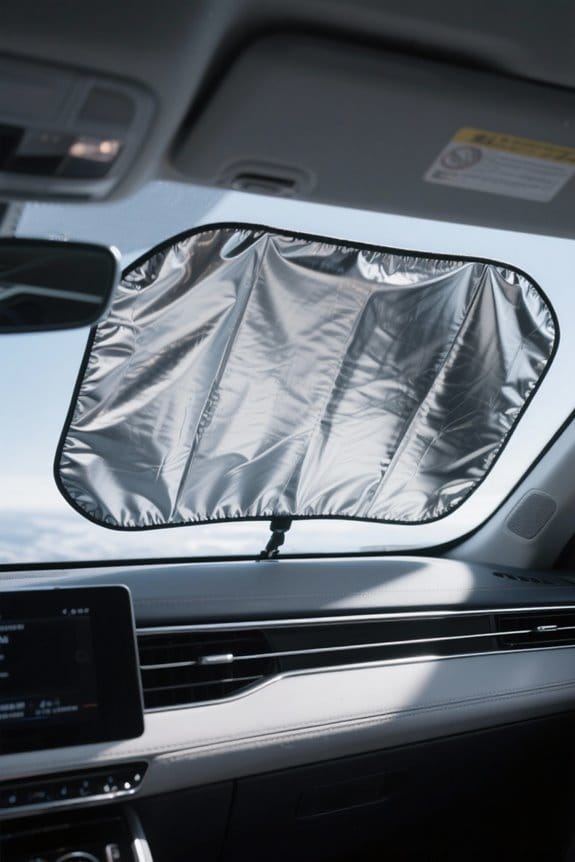
A clear mountain morning feels crisp, but the sun is sharper than it looks. Readers learn that UV radiation increases about 6–10% per 1,000 feet. At higher altitudes, atmospheric absorption drops, so exposure to UV is noticeably higher. Imagine sunscreen like a thin umbrella — at 6,000 feet UV can be roughly 36 times stronger than at sea level. That’s a greater risk for skin damage. Practical tip: use SPF protection rated 30–50; a 3.4 oz tube often costs $8–$18. Want proof? A tester joked, “It’s like sun on espresso.” Products matter. Apply every two hours and after sweating. Stay aware on peaks and plan sun protection accordingly. For additional protection for vehicles and passengers, consider using custom-fit sunshades designed to block UV and reduce interior heat buildup.
How Much Stronger Is the Sun on Mountains and Plateaus

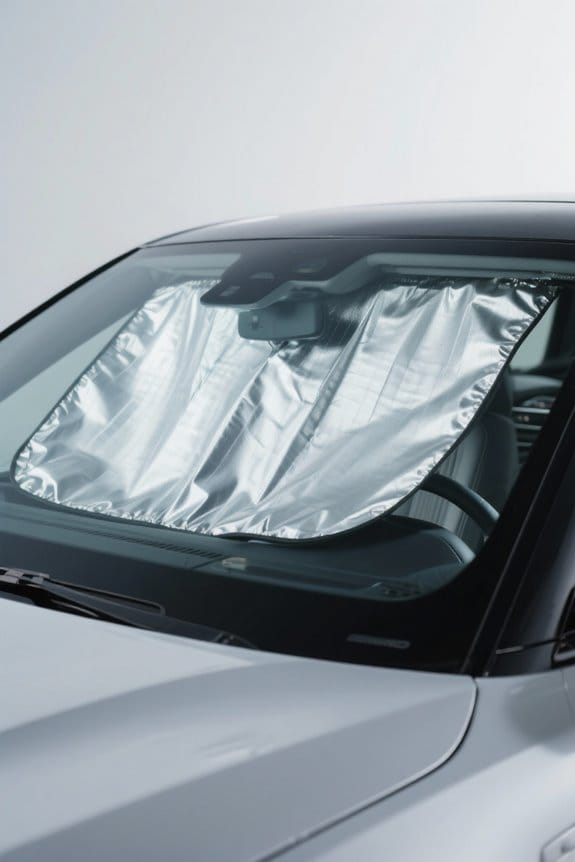
Because the air thins with altitude, sun exposure climbs fast and can surprise even seasoned hikers. UV rises roughly 6–10% per 1,000 feet. At 6,000 feet the Colorado sun can feel about 36 times stronger than at sea level. Skiing at 9,000 feet pushes that to roughly 42 times. Reflective surfaces matter too: snow reflects 50–88% of UV, and valleys can raise rays 50–140%. So what should a reader do? Use broad-spectrum sunscreen SPF 30–50, waterproof options around $10–20. Reapply every two hours, more if sweating. Wear UV-rated clothing and goggles. Increased UV at high altitude means skin protection must be deliberate. One tester joked, “My nose filed a complaint.” Practical steps beat surprise. Custom-fit windshield shades like those made for the Audi Q6 E-Tron can help protect vehicle interiors from UV damage and reduce heat buildup when parked windshield shades.
Health Risks From Increased UV at High Altitude

Steps to protect skin and eyes at altitude go beyond slapping on sunscreen. At high altitudes, UV radiation climbs fast — roughly 6–10% per 1,000 feet — so sunburn risk and immediate skin damage increase noticeably. Imagine a 6,000-foot hike delivering about 36 times sea-level UV exposure; at 9,000 feet it’s near 42 times. Prolonged exposure to the sun speeds aging skin and raises the risk of developing skin cancer. Eyes suffer too: cataracts and retinal burns can follow reflected rays off snow. What can someone pack? A $40 pair of wrap sunglasses and a wide-brim hat help. One tester joked, “My face felt like toast.” Using protective gear like UV-blocking sunglasses and hats made from reflective materials can greatly reduce heat and UV exposure, similar to how quality sun shades protect vehicle interiors.
Recommended Products

High reduction of sunlight thanks to filter category 3 with a light transmission of 9-18%

PREMIUM MEN'S SUNGLASSES: Our RAZR polarized lens technology amplifies color, improves depth perception and enhances color contrast for a crisp, clear picture of the world around you. The high-impact shatterproof lenses provide crystal clear optical clarity with anti-scratch, 100% UVA / UVB protection and anti-reflective coatings for a difference you can see.

PREMIUM MEN'S SUNGLASSES: Our RAZR polarized lens technology amplifies color, improves depth perception and enhances color contrast for a crisp, clear picture of the world around you. The high-impact shatterproof lenses provide crystal clear optical clarity with anti-scratch, 100% UVA / UVB protection and anti-reflective coatings for a difference you can see.
Choosing the Right Sunscreen and SPF for Elevation
When altitude rises, sunscreen choice matters more than sunscreen brand loyalty. Readers are told to pick a broad-spectrum sunscreen with at least SPF 30, but high altitudes often demand SPF 50 or higher. UV exposure increases sharply; at 9,000 feet it can be many times greater than at sea level. Mineral options with zinc oxide or titanium dioxide reflect rays effectively. Want extra security? Some studies favor SPF 100+ for intense climbs. Apply sunscreen 15–30 minutes before heading out and reapply regularly. A 3 oz pump runs $8–$15; a 2 oz mineral stick is $10–$20. Think of sunscreen as a lightweight jacket for skin. Who wouldn’t pack that? Practical protection matters more than trendy labels. Custom-fit sun protection, including visors and shades, can further reduce UV exposure when pausing outdoors, so consider adding UV protection features to your gear.
Recommended Products

Address hyperpigmentation with this all-in-one regimen that immediately color-corrects and protects with all-mineral SPF 50.


COST-EFFECTIVE BULK SIZE: Embrace worry-free sun protection with the Rocky Mountain Sunscreen SPF 50 Lotion. This incredible one-gallon (128 fluid ounce) container, equipped with a convenient pump, offers exceptional value and is designed for accommodating large groups. Whether it's for summer camps, corporate events, families, locker rooms, sports teams, or any occasion where sun safety is paramount, this cost-effective solution ensures you're well-prepared.
Proper Sunscreen Application and Reapplication Strategies
A few clear rules make sunscreen work as well as a good climbing rope. Climbers are told to apply a generous amount — about one ounce, a shot-glass full — of broad-spectrum sunscreen with SPF 30+ to all exposed skin 15–20 minutes before heading out. Reapply sunscreen every two hours and after swimming or heavy sweating to counter increased UV radiation at high altitudes. Choose water-resistant formulations; a $12–$20 tube lasts a season and beats crabby sunburns. Don’t forget overlooked areas: ears, feet, and the scalp. Need quick fixes on a lift? Try a stick sunscreen or spray for faster coverage without glove removal. These sun exposure strategies give reliable skin protection. Who wants lobster-red souvenirs from a summit? Not you. Using shade and reflective gear can also reduce heat and block significant UV exposure, especially when paired with custom-fit designs for optimal coverage.
Recommended Products

This anti-aging face moisturizer is an ultra-light gel cream with broad-spectrum sun protection SPF 30. Quench thirsty skin and increase hydration, reduce the look of fine lines and wrinkles, and improve the look of firmness.

THE PERFECT GIFT FOR YOUR FAVORITE FREAK: This limited edition Freak Fave Holiday bundle includes Freaks of Nature’s fan fave products for the ultimate skin strength training set.

INVISIBLE FACE & BODY SUNSCREEN - The #1 sunscreen stick in the U.S. is now upgraded. This clear, weightless sunscreen features increased broad-spectrum SPF 60+ protection & provides 8-hours of hydration for a transparent, naturally glowing finish.
Protective Clothing, Eyewear, and Gear for High-Altitude Exposure
Several pieces of kit make high-altitude sun protection feel less like guesswork and more like common sense. Climbers are advised to wear protective clothing with a UPF rating of 50+, which cuts most UV rays. A wide-brimmed hat (3–4 inch brim, $25–$60) shades face and neck. Sunglasses labeled UV400 block 100% UVA/UVB; expect to pay $40–$250 for durable pairs. Gloves with SPF protection protect hands and make sunscreen touch-ups easier. How much sun exposure is too much? At elevation, harmful rays intensify, so layer clothing and pick breathable fabrics. In outdoor activities like hiking, chosen gear matters more than luck. One tester joked, “My goggles are my sunscreen’s therapist.” Practical, measured choices keep skin safer. For extended exposure, consider using high-density reflective materials in shelters and gear to further reduce UV and heat buildup.
Recommended Products

PGA TOUR women's long sleeve golf shirt with self collar

Cooling Technology: MAGID Cool Powered by Mission activates in under 60 seconds, cooling up to 30°F below body temperature for up to 2 hours with just water

COOLING TECHNOLOGY: HydroActive Instant Cooling Technology activates in 3 easy steps – wet thoroughly with water, wring it out, and snap (repeat to reactivate)
Special Considerations: Snow, Water, and Reflective Surfaces
Many outdoor surfaces act like giant mirrors for UV rays. Skiers learn this quickly. Snow reflects 50–88% of UV radiation, boosting exposure at altitude and risking burns. Water adds 25–30% backscatter, and dry sand gives 15–18%. In places like the Roaring Fork Valley, indirect UV can be 50–140% stronger. Awareness matters. Who wants surprise sunburn on a sunny hike? Readers might test a $20 broad‑brim hat or $150 polarizing goggles. Sunscreen of SPF 30+ and lip balm cost little and help. A tester joked, “I fried my nose like bacon.” That humor sticks. The takeaway: monitor reflective surfaces, limit midday sun, and use layered protection to reduce skin cancer risk. Practical checks beat regrets. Also consider using high-density reflective fabric sun shields in vehicles to reduce interior heat and block UV exposure.
Recommended Products

【10.5mil Silver/Black Heavy Duty Tarp】Tarps are heavy duty tarps 10.5mil thick,5 ounces per square yard.So our tarpaulin is heavier,thicker,better quality.even it's a rainstorm and snowstorm day,your stuff will be well protected

【SMART CAR COVER WITH REMOTE CONTROL】 The retractable automatic car cover differs from a traditional sedan car cover,One-touch remote control lets this fully automatic car cover open or fold, and the entire installation process only takes 30 seconds. It is very convenient to wear. You can easily fit the sunscreen and bird droppings-proof car cover into your car's trunk and use it whenever you need to park.

🚗 DURABLE MATERIAL –Hail Protector Car Cover for Toyota RAV4.The anti-hail car cover is made of tear-resistant Oxford cloth, which is not easy to wrinkle or wear, extending the life of the car cover. The fully stitched surface is more beautiful and durable. We also provide a large storage bag for convenient storage.
Monitoring Skin and Eye Health After High-Altitude Exposure
After noting how snow and water can double your UV dose, it’s wise to check what that sun did to your skin and eyes. Readers should practice monthly self-examination for new moles or changes. High-altitude exposure raises UV radiation risks; dermatologists recommend checks every 6–12 months. Think of skin like a weather map—spots are signals. Eye health needs routine exams too; cataract risk increases with altitude UV. Use broad-spectrum SPF 30+ sunscreen (about $8–$15 per tube) and UV-blocking sunglasses ($50–$200) as basic protection. What should you watch for? New growths, itching, or blurred vision. One tester joked, “My face filed a complaint.” Practical monitoring, timely visits, and clear records help catch melanoma early. Consider also using custom-fit shades in vehicles to reduce interior heat and UV exposure during prolonged high-altitude stops.
Frequently Asked Questions
Is UV More Intense at Higher Elevation?
Yes. Like a thinly veiled cloak, higher altitudes increase UV exposure; altitude effects raise sunburn risk despite lower oxygen levels. Reflective surfaces, weather phenomena, skin types, UV index, protective gear and safety measures matter.
Why Is the Sun More Intense in Colorado?
Because thinner atmosphere and reflection increase UV Exposure, Colorado’s Altitude Effects amplify Sun Safety concerns: High Country Mountain Activities and Outdoor Sports raise Sunburn Risks and Skin Damage; Sunscreen Recommendations, Skin Types, and precautions mitigate harm.
Do You Tan Better the Higher up You Are?
Yes — a pale embrace quickens: observers note the tanning process intensifies with altitude effects as UV radiation increases, affecting skin type, boosting vitamin D yet raising sunburn risk; outdoor activities demand mountain safety and protective measures.
What SPF for High Altitude?
Use SPF 50+; SPF recommendations emphasize high altitude safety. He considers skin type considerations, frequent reapplication, sunglasses importance, reflective surfaces, altitude acclimatization, sunburn symptoms, UV index awareness and protective clothing for thorough protection.