As an Amazon Associate, we earn from qualifying purchases. Some links on this site are affiliate links at no extra cost to you. Our recommendations are based on thorough research and editorial judgment.


How Car Color Affects Interior Temperature Build-Up

Dark cars trap heat like closed ovens, often pushing cabin temps to 130–170°F within an hour. Lighter paints stay about 10–30°F cooler. Glossy black panels can hit 170°F; white or pearl finishes sit near 120–130°F. Tinting can block up to 99% UV; sunshades cost $15–$50 and cut temperatures markedly. Practical tweaks—shade, light seat covers, slight venting—help a lot. Want specifics on paints, tints, and costs?
Key Takeaways
- Dark exterior colors absorb more solar energy, raising interior and surface temperatures substantially compared to light colors.
- Black or deep-hued cars can reach interior temperatures of 130–160°F in direct sun within an hour.
- Light-colored vehicles reflect more sunlight, typically keeping cabins about 10–30°F cooler than dark cars.
- High-gloss and dark finishes increase heat buildup, while pearl or reflective finishes can modestly reduce it.
- Combining light paint, UV-blocking tint, and sunshades produces the largest reduction in interior heat.
The Science of Color and Heat Absorption
You may be interested


Because color changes how a car eats sunlight, the roof and hood matter a lot on a hot day. The science is simple: car color drives heat absorption. Dark colors like black and navy can push interior temperature to 130–160°F within an hour. Light colors reflect sunlight and stay 10–20°F cooler. It’s the albedo effect in action. UV rays also heat surfaces; testers joke, “It’s like parking a frying pan.” Want numbers? Black panels can top 170°F; whites sit near 120–130°F. Window tinting and design change outcomes; a $150 tint job can shave interior heat. Summer heat feels less brutal with silver paint and good tint. So choose wisely—your paint is an active climate control partner. Choosing a lighter color and using a custom-fit sun shade can significantly reduce interior temperatures and protect surfaces.
How Different Paint Finishes Change Surface Temperatures
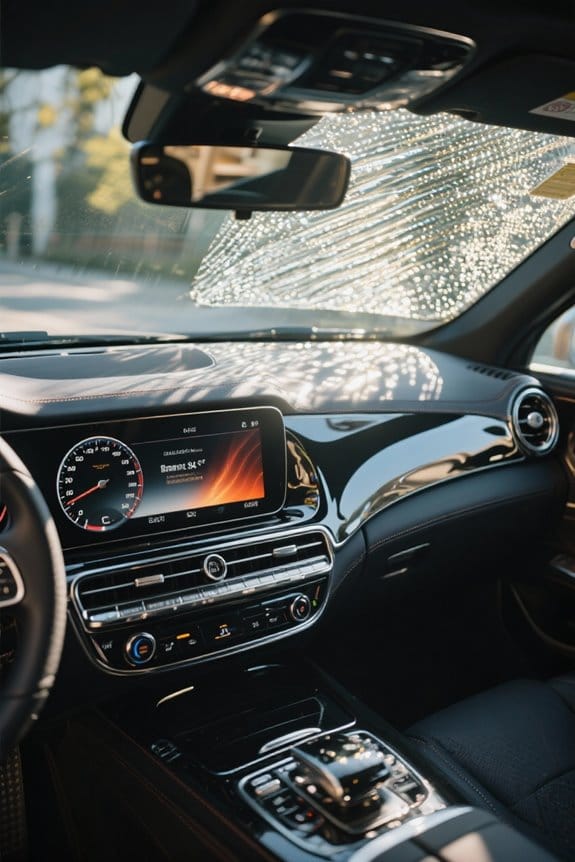
While glossy paint can make a car gleam like a showroom prize, it also acts like a miniature mirror for sunlight and can boost surface temps considerably. High gloss finishes often raise heat absorption, so surface temperatures climb faster on hot days. Darker colors with high gloss can exceed 170°F, testers note, while low gloss darks stay noticeably cooler. Lighter colors stay 20–30°F lower even in high gloss. Candy and pearl paint finishes use reflective properties to reduce heat build-up; they can cost $1,000–$3,000 extra but help temperature management. Want a cooler ride? Choose lighter colors or pearl effects. “Feels like soup on a black hood,” one tester joked, with a rueful shrug. Many vehicle owners also install custom-fit sunshades to further reduce interior temperatures and protect cabin materials.
Measured Temperature Differences: Dark vs. Light Cars
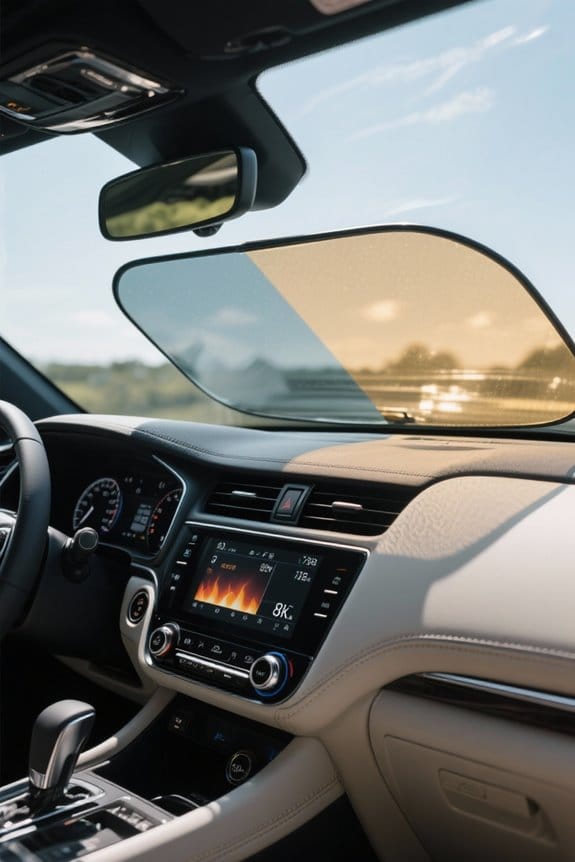
Glossy finishes might make a car look like a showroom prize, but the numbers tell a sharper story about comfort. Tests show a black car can hit 130–160°F inside within an hour in direct sun. A white car often stays 10–20°F cooler. Surface temps mirror that: black panels exceed 170°F; white panels sit near 120–130°F. Those temperature differences — sometimes 20–30°F — come from greater heat absorption by dark colors under sunlight radiation. Open a door and the dark interior can slap you with oven-like heat. Want comfort? Light colors help by reflecting more solar energy. One tester joked, “It felt like opening a pizza oven.” Practical choice: cooler paint equals less heat buildup and faster relief. Many drivers also reduce interior temperatures further by using windshield sun shades, which block sunlight and lower cabin heat.
Other Factors That Influence Cabin Heat
Not just paint color matters; several other features decide how hot a car gets on a summer day. Readers learn that car color affects interior temperature, but tinted windows can block up to 99% of UV rays and cut heat buildup dramatically. Sunroofs and large windows raise sunlight exposure and can turn a cabin into an oven. A working ventilation system cools faster once the engine runs; think 5–10 minutes versus half an hour. Lighter colors, good tinting, and sunshades together work best — a $20 reflective sunshade helps noticeably, testers say. Vehicle design matters too: bigger glass equals more heat. Want real comfort? Consider these trade-offs. Isn’t a cool ride worth a small investment and smarter choices? Many Jeep owners find that a custom-fit sun shade provides the best combination of UV protection and heat reduction.
Practical Ways to Keep Your Car Cooler
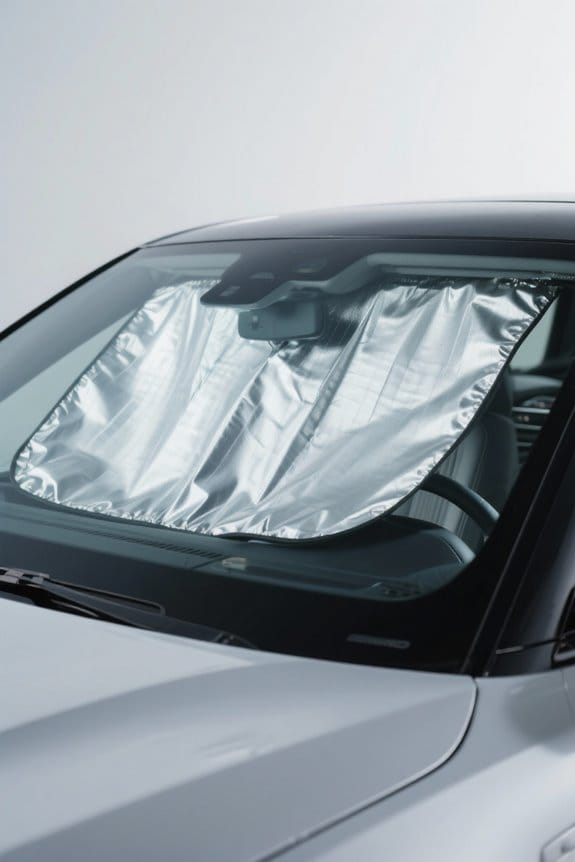
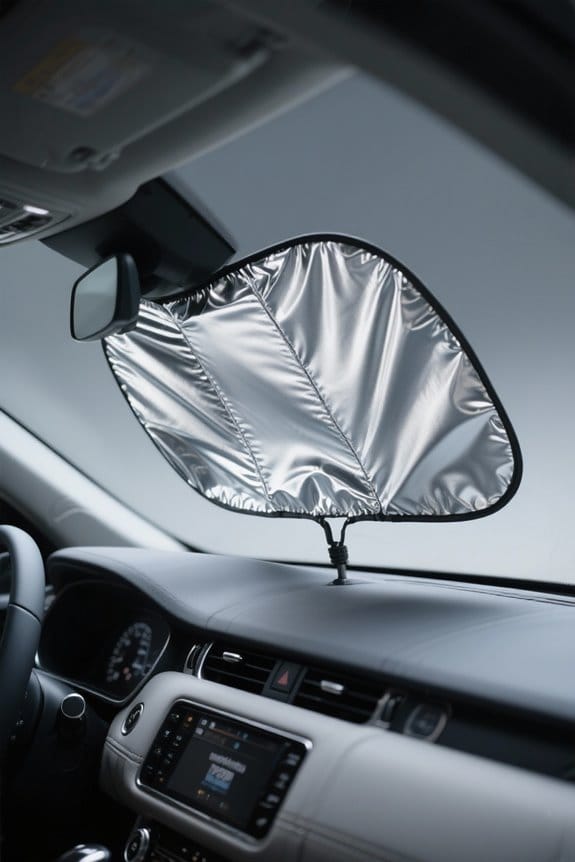
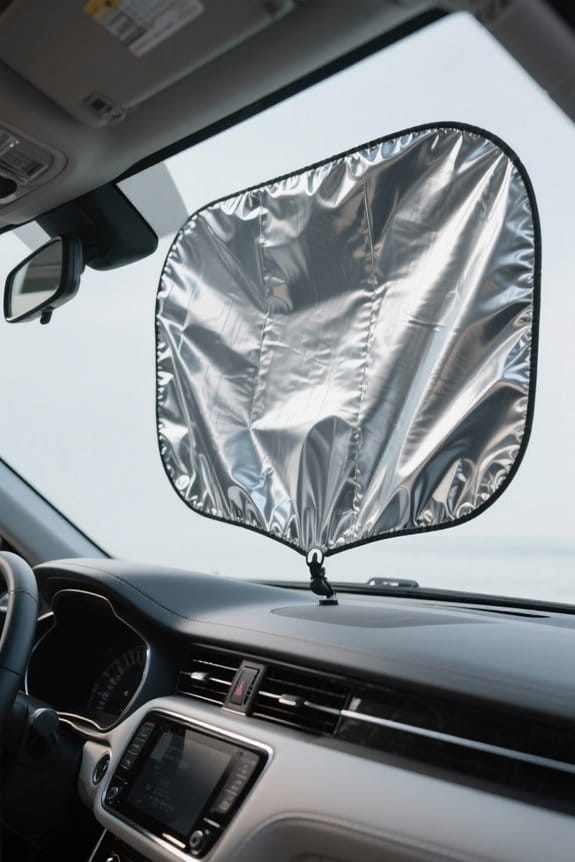
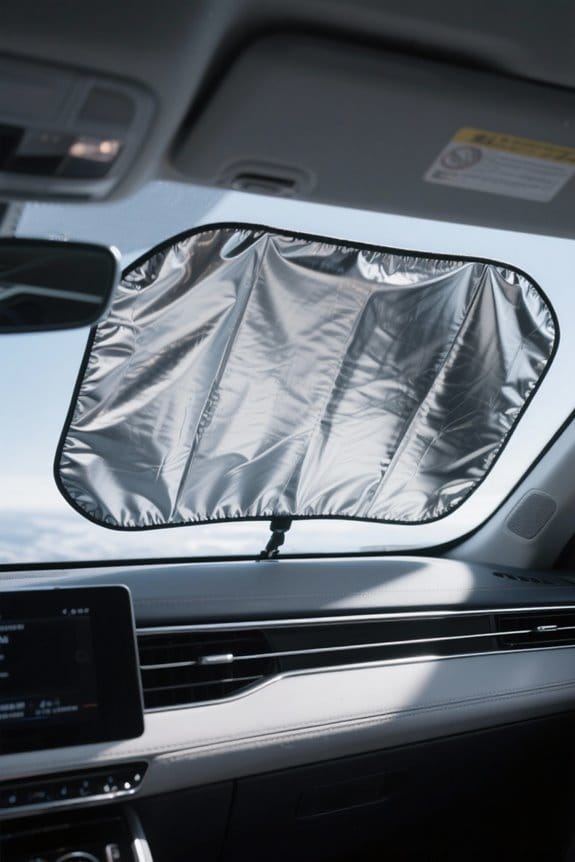
If a car must bake in the sun, smart choices make the difference between an oven and a tolerable space. Owners can reduce interior temperature with practical steps like a reflective windshield sunshade ($15–$40), which blocks much sunlight and lowers cabin heat by noticeable degrees. Park in shaded areas when possible to avoid direct rays. Slightly cracking windows—about 1–2 cm—lets trapped hot air escape. Consider window tint or ceramic window tint that blocks up to 99% of UV; costs range $200–$600. Use light-colored seat covers and steering wraps to cut heat absorption; inexpensive covers run $20–$80. Who wants a scorching steering wheel? These methods work regardless of car color and help keep your car cooler without major changes. Custom-fit sunshades made from 240T polyester can block up to 99% of UV and significantly reduce cabin temperatures, making them a worthwhile investment for protection and comfort custom fit.
Choosing the Right Color for Your Climate
Who wants a car that feels like an oven after a midday grocery run? In hot, sunny regions choosing lighter colors like white or silver can cut interior temperature by 15–20°F versus black or navy. That’s real comfort on a 90°F day. If winters bite, climate considerations shift and aesthetics can lead. Advanced paints with reflective pigments cost around $300–$800 extra but reduce heat absorption even on darker shades. Want a daily-driver tip? Pick lighter colors for desert commutes, darker for snowy areas. Testers joke that a silver sedan is like a polite sun umbrella. Practical buyers ask: how much comfort matters to you? Balance car color, driving experience and budget to get temperature control that fits real life. Reflective accessories like custom-fit sun shades can also significantly lower cabin temperatures and protect interiors, making them a smart complement to color choices and heat protection.
Frequently Asked Questions
Does Interior Car Color Affect Temperature?
An apple a day keeps worries away; yes, interior color affects temperature. Observers note seat fabric and upholstery choices, dashboard color and interior materials drive temperature fluctuation under sun exposure, mitigated by ventilation systems, windshield tint, climate impact, color psychology.
Does Interior Paint Color Affect Temperature?
Yes; interior color temperature influences heat: paint color impact depends on light vs dark and material reflectivity, affecting heat absorption factors and sun exposure influence. Color psychology effects aside, thermal insulation effects and color selection tips aid temperature regulation strategies.
Is a Black Car Hotter Inside Than a White Car?
Yes; a black car temperature typically exceeds white car heat due to color absorption under sun exposure. Vehicle materials, air circulation, climate differences, aluminum vs steel, windshield effects and even color psychology influence perceived warmth.
What Color Car Stays Cooler?
White and silver cars stay cooler, their hues like sunshields. Car color, light colors and low heat absorption reduce sun exposure effects; dark colors intensify warmth. Vehicle materials, thermal insulation, window tinting, climate impact and color perception matter.