As an Amazon Associate, we earn from qualifying purchases. Some links on this site are affiliate links at no extra cost to you. Our recommendations are based on thorough research and editorial judgment.

Monsoon Season: Sun Shades and Moisture Management

Monsoon season demands practical shade and moisture plans. Homeowners should pick mildew‑resistant roller shades ($80–$200) or faux‑wood/vinyl blinds ($15–$120) to avoid warping. Inspect patio roof seams and flashing after storms; watch for cracks over 1/8 inch and loose screws. Use Gore Tenara thread ($8–$12) for stitched repairs and retrace shades for 24–48 hours to dry. Want sensor automation or drainage tips? Continue for specific fixes and costs.
Key Takeaways
- Choose moisture-resistant shades (vinyl, faux wood, aluminum, or waterproof roller) to prevent warping and mildew during monsoon months.
- Inspect seams, flashing, and mounting hardware after storms; tighten loose screws and replace corroded bolts to prevent leaks and collapse.
- Retract shades during high winds or storms; use motorized systems with rain/wind sensors for automatic protection.
- Clean and dry shades after heavy rain using mild soap, soft brush, and allow 24–48 hours to fully dry to avoid mold.
- Store cushions indoors and use waterproof, dustproof covers for furniture; unclip shade sails if winds exceed about 35 mph.
Assessing Your Patio Roof and Awnings for Leak Risks
You may be interested


A few quick checks can save a lot of sweaty work later. A homeowner inspects seams, flashing, and a patio roller for worn spots. Look for cracks wider than 1/8 inch and loose screws after storms. Gore Tenara Thread, $8–$12 per spool, offers proven water resistance for stitching tears. After a monsoon, check for new drips within 24 hours. Can the roof resist 50+ mph gusts without flap or wind damage? If not, reinforce brackets or replace corroded bolts, roughly $15–$30 each. Regular maintenance prevents soggy cushions and costly repairs. One tester joked, “Found a leak faster than my neighbor found his umbrella.” Consider using high-density reflective materials on awning undersides to help reduce heat buildup and protect fabrics.
Choosing Moisture-Resistant Shades and Blinds for Humid Weather

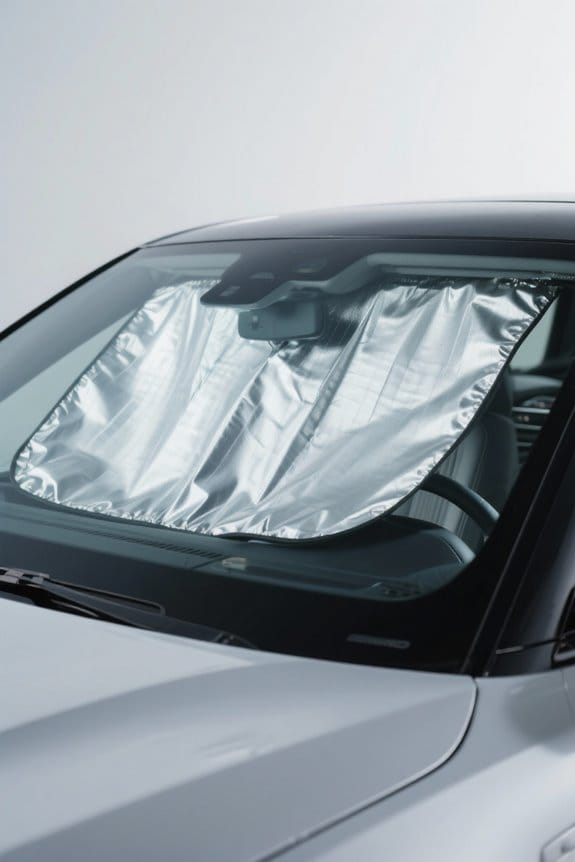
Humid summers call for window coverings that shrug off moisture like raincoats. Faux wood blinds perform well in humidity; they resist warping and cost about $40–$120 per blind depending on size. Vinyl blinds are mildew-proof and low-maintenance, often sold for $15–$60 for basic 24×36-inch units. Moisture-resistant roller shades come in waterproof options; expect $80–$200 for durable fabrics that block damp and UV. Aluminum mini blinds weigh little and resist rust, making them practical for damp rooms and covered outdoor living areas. Avoid real wood blinds; they warp and invite mold. Which one fits a damp sunroom? Choose by budget, exposure, and maintenance tolerance. A tester joked, “They survive monsoon moods,” and that says a lot. Custom-fit sun shades can also help protect interiors by blocking heat and UV rays.
Cleaning and Drying Routines to Prevent Mold and Mildew

Start by wiping shades down with a mild soap solution after heavy rain or dust storms; it’s simple and effective. One pulls a $5 soft brush and 1–2 tsp dish soap in a liter of warm water. Regular cleaning keeps window shades and outdoor furniture free of clingy mold. How long to dry? Retract shades and wait 24–48 hours until fully dry. In enclosed porches, a $120 dehumidifier set to 50% speeds drying. Monthly inspections catch tiny black spots early; use a $15 anti-fungal spray per label instructions. Open windows and run a fan for added airflow. Imagine mildew as unwelcome barnacles—easy to scrape off early, stubborn if ignored. Small routines save time and smell. For protection during wet seasons, consider using a waterproof cover made from heavy-duty 600D Oxford fabric to shield shades and nearby furniture.
Securing and Storing Outdoor Furniture During Dusty Storms
Several pieces of patio furniture should be stacked or pushed against a wall before a dust storm hits. The outdoor setup benefits from simple moves: stack chairs three high, or lean a 6‑ft table on its side. Readers can store loose cushions indoors; a 27×20×16 in tote ($25) works well. Weather‑resistant covers rated waterproof and dustproof protect frames and fabrics. Inspect patio pavers and loose bricks; a $12 masonry hammer can tighten trouble spots. Shade sails should be unclipped if wind exceeds 35 mph to avoid sail damage. Think like a tenant following a privacy policy: protect what matters. Who wants to clean grit from cushions for hours? One tester joked, “It’s like sand in the sugar bowl.” Practical, quick, and wallet‑aware steps save time and gear. Use heavy‑duty, multi‑layer covers made from 800D Oxford fabric for the best all‑around protection.
Smart Upgrades: Retractable Systems, Drainage, and Automation
When the sky darkens and wind gusts start flirting with the awning, a retractable shade can be the difference between soggy fabric and a dry patio. Homeowners find retractable systems deploy in 10–20 seconds, using motors priced $400–$1,200. Rain and wind sensors auto-retract at thresholds like 25 mph or heavy downpours. Integrated drainage channels move 10–20 liters per minute, preventing pooling on 3×4 meter pergolas. Automation links to apps and voice assistants, so you can close shades from the car. Tester quote: “Saved my eucalyptus hammock twice,” one user laughs. Wouldn’t you want that peace of mind? Practical upgrades cost upfront, but they cut AC use and extend canopy life. Drainage, automation, and smart motors make outdoor living work. Many homeowners also choose premium materials and protective coatings to extend fabric life and UV protection custom fit.
Frequently Asked Questions
Which Sunscreen Is Best in Monsoon?
A broad-spectrum, water-resistant sunscreen with zinc oxide or titanium dioxide is best in monsoon. It balances physical sunscreen ingredients, offers reliable skin protection, and maintains defense against UV exposure despite humidity and occasional rain.
Do We Need to Apply Sunscreen in Monsoon?
Yes — like a hidden sun behind a curtain, sunscreen misconceptions fade when facts arrive: UV protection importance remains. Monsoon skin care demands broad-spectrum, water-resistant sunscreen, applied regularly to guard against lingering ultraviolet exposure and sensitivity.
How to Prepare for the Monsoon Season?
Prepare by securing outdoor furniture, sealing patio roof leaks, and storing or covering items; pack a rainy wardrobe and waterproof accessories, install durable sun shades, and plan indoor activities to stay safe and comfortable during storms.
What Is Monsoon Moisture?
Monsoon moisture is a heavy, damp blanket draping the land; it describes rainy humidity effects that increase air saturation, requiring skin hydration tips and moisture retention methods to prevent mold, protect structures, and manage indoor comfort.