As an Amazon Associate, we earn from qualifying purchases. Some links on this site are affiliate links at no extra cost to you. Our recommendations are based on thorough research and editorial judgment.


The Science Behind Dashboard Cracking From Sun Exposure

Sun and heat break dashboards like sunbaked leather. UV rays strip plasticizers from PVC and ABS, making surfaces stiff and brittle after repeated 100°F afternoons. Thermal cycling—hot days and 20°F nights—causes hairline splits that widen into tears. Harsh cleaners with ammonia speed the damage. Use a $10–$20 UV protectant every 4–8 weeks and a sunshade that blocks 99% UV to slow decay. Want practical fixes and when replacement is safer?
Key Takeaways
- UV radiation breaks chemical bonds in dashboard polymers, causing loss of plasticizers and progressive embrittlement.
- Repeated thermal cycling (hot days, cool nights) expands and contracts materials, turning hairline splits into larger cracks.
- PVC surface degradation appears first, while foam backing breakdown undermines structural support and cushioning.
- Harsh cleaners and accumulated grime accelerate damage by stripping protectants and trapping heat on the surface.
- Preventive measures — UV films, quality sunshades, and regular plasticizer-replenishing protectants — significantly slow cracking.
What Causes Dashboards to Crack Over Time

You may be interested


Although sunlight seems harmless at first, ultraviolet rays quietly shred the dashboard’s polymers over years of exposure. UV exposure weakens bonds, causing dryness and eventual dashboard cracks. Prolonged exposure plus temperature extremes — think 100°F summer days and 20°F nights — makes panels expand and snap like brittle plastic rulers. Loss of plasticizers, such as DOP, removes flexibility; an old dash can feel like dry leather. Harsh cleaning agents with ammonia strip the protective layer; a $6 glass cleaner can do more harm than good. Accumulated dust and grime trap heat, raising surface temps several degrees and speeding damage. Curious? One tester joked the dash looked “sunburned.” Practical fixes exist, but prevention is cheaper than a $300 replacement. Using a properly fitted sun shade designed for your vehicle can reduce interior temperatures by 30–40°F and substantially slow dash deterioration.
How UV Radiation Breaks Down Dashboard Polymers
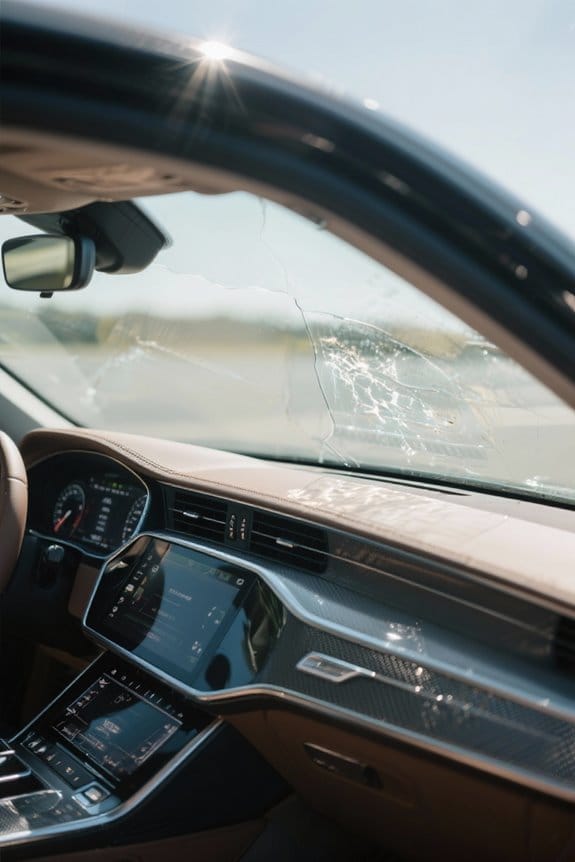
Sunlight doesn’t just fade a dash; it chemically chews through it. UV radiation severs bonds in dashboard polymers like PVC and ABS. Over months and years, sunlight drives degradation and stealthy loss of flexibility. Plasticizers — the softeners that cost about $5–$15 per treatment in retail conditioners — evaporate or break down. The surface becomes stiff, shows fading, then develops cracks. Dryness follows as material loses oils. Have you seen a once-supple dash turn brittle? It snaps under slight pressure. Testers joke it “crumbles like old bread,” but the process is measurable: reduced elongation and tensile strength in lab data. Regular UV protection — sprays or films costing $10–$50 — slows degradation and helps prevent cracking. Using a high-quality windshield sunshade can significantly reduce cabin temperatures and limit UV exposure, helping preserve dashboard materials and prevent premature failure dual-layer reflective.
Recommended Products

Passed 2500 hours of ASTM D4587 QUV testing

Ultimate Protection – 303 Aerospace Protectant provides superior protection against damaging UV rays. This protector spray repels dust, lint, and staining while also helping to prevent fading and cracking, to keep surfaces looking newer, longer

✅Ceramic Protection Gear: Upgrade your vehicle with premium ceramic coat technology that enhances shine and provides a protective shield. This advanced solution keeps your car looking flawless while safeguarding it from scratches, dirt, and UV rays for long-lasting brilliance.
The Role of Heat and Thermal Cycling in Material Failure

When the cockpit heats to 120°F or more, dashboard materials begin to lose what keeps them flexible. Heat buildup speeds evaporation of plasticizers. Dashboard polymers stiffen, like old rubber left on a hot grill. Thermal cycling — daily heat and cool swings — pulls chemical bonds apart. Prolonged exposure to direct sunlight makes surfaces rigid and brittle. Cracking and peeling follow predictable patterns: hairline splits after months, larger tears after years. Inferior dashboards fail faster; testers note $50 repairs often only mask deeper damage. Want a number? Interior temps of 140–160°F accelerate breakdown noticeably. Structural failure isn’t sudden. It’s gradual and noisy, like a creaking porch. So watch for stiffness, small cracks, and act before repair costs rise. OEM-quality components such as durable ABS plastics and high-grade fabrics can slow this degradation and extend service life.
Recommended Products

【Tesfeel Performance: Real Carbon Fiber】 Elevate your cabin with the premium tactile feel of real carbon fiber. Hand-built with genuine carbon fiber weave, this replacement frame for Jeep models offers superior structural integrity and a sophisticated motorsport aesthetic. Our design ensures long-lasting clarity and a premium finish for the dedicated explorer.
Heat Stress Management with THI: THI, (Temperature-Humidity Index) has been used for decades as a measure to classify heat stress risk in livestock

Package Includes: (1) KICKER 48TRTP122 TRTP 12" 1000w Down Firing Subwoofer Enclosure+Passive Radiator, (1) Rockville dB12 2000 Watt Peak/500w RMS Mono 2 Ohm Amplifier Car Amp, (1) Rockville RWK41 4 Gauge Complete Car Amp Wiring Installation Wire Kit with RCA's
Dashboard Layer Structure and Why It Matters
Heat and repeated baking leave fingerprints on what lies beneath the vinyl skin of a dashboard. Readers learn the dashboard layer structure: a glass-fiber reinforced thermoplastic base, a cushioning polyurethane foam middle, and a top PVC layer often blended with ABS. The PVC layer shows UV damage first. Sun exposure for hours at 100–140°F can fade colors and start small cracks. When the foam degrades, the structural integrity suffers and repairs cost $150–$600. What can you do? Simple protective measures help: sunshades ($10–$30) and UV-blocking sprays ($12–$25). “Feels like sunburn on plastic,” a tester said. The explanation is practical. Know the layers, spot early faults, and act before minor splits become costly failures. For best results, consider a custom-fit sunshade designed for specific vehicle models to maximize UV protection and cooling.
Plasticizers: What They Do and How They Escape
Although hidden behind a smooth vinyl skin, plasticizers are the small helpers that keep a dashboard pliant and comfortable to the touch. Plasticizers like DOP (bis-(2-ethylhexyl)phthalate) soften PVC so dashboards retain flexibility. UV rays and heat drive them out slowly. Over years, loss rates of a few percent per summer lead to drying out and stiffness. The dashboard becomes brittle, then cracking appears like a dried river bed. Want numbers? A $12 conditioner bottle (8 oz) claims to replenish softeners and may extend life by months. Tester quote: “Feels like a new dash.” How to maintain? Regular softener use and shaded parking help. The chemical change is clear: escape of additives causes visible deterioration and reduced durability. Many vehicle owners also use reflective sun shades to reduce cabin heat and slow plasticizer loss.
Common Cleaning Mistakes That Accelerate Degradation
If owners skip the right products, dashboards age faster than they expect. Many reach for cheap ammonia cleaners — $3 spray bottles — and strip protective layers, hastening sun damage and making surfaces more prone to dashboard from cracking. Scrubbing with abrasive materials, like scouring pads, creates micro-scratches that invite UV to work faster. Skipping regular maintenance lets dust and grime build up; a thin film can trap heat and moisture and raise local temperatures by several degrees. Over-wetting during cleaning soaks seams and foam backing, promoting shrinkage and cracks. Why risk it? Try gentle wipes or a soft microfiber for $5–10, test a small spot, and watch results. “It felt like sanding,” one tester joked, after rough cleaning revealed damage. Covers made from 600D Oxford fabric offer durable protection against UV and weather when used properly.
Recommended Products

✅ FOR INTERIOR & EXTERIOR SURFACES: This versatile gloss dressing works on interior and exterior tires, vinyl, rubber, plastic, and dashboard surfaces to restore a clean OEM-style appearance. Use as a tire dressing, tire shine spray, or interior car cleaner. Dilute 1:1 to 2:1 for interior use. Always read full label instructions before application.

PORTABLE SCREEN CLEANER - Wipe away dirt, grime, and dust with this next generation screen cleaner by WHOOSH! This travel size set fits in pockets, purses, and glove compartments of your car for when you need some shine on the go.

OUTDOOR RESTORER WIPES: Restore faded & weathered outdoor surfaces to a brilliant shine.
Preventative Treatments: Cleaners, Conditioners, and UV Protectants
Reach for a proper protectant and the dashboard will thank you. Readers learn that cleaners like Hybrid Solutions Streak-Free Mist ($8–$12 per bottle) remove grime without stripping protective layers. Conditioners with plasticizers restore oils lost to sun exposure, keeping dashboard materials supple and less brittle. UV protectants such as Turtle Wax Dash & Glass (about $6) form a barrier against fading and cracking. One-spray products like Inside & Out Protectant save time—spray, wipe, done—ideal for quick maintenance. Who wants a sunbaked, sagging dash? Regular use every 4–8 weeks prevents irreversible aesthetic decline. Testers joke, “Feels like sunscreen for your car.” Practical, low-cost care preserves looks and function, blending simple routine with measurable protection. For extra protection in parked cars, consider using a windshield cover designed from 600D oxford fabric to reduce heat and sun exposure.
Recommended Products

All-In-One Formula: Cleans, Shines and Protects

303 UV Protectant brightens surfaces and keeps them looking newer, longer. This formula provides superior UV protection for any rubber, finished leather, plastic, vinyl, eisenglass, PVC, gel coat & fiberglass surfaces. Not for use on unfinished leathers (such as suede), fabrics (canvas) or floorings.

HARNESS THE NATURAL CLEANING POWER OF CITRUS - Citrus Wash & Gloss Ultra Premium Citrus-Based Hyper Wash combines the cleaning power of citrus extract and natural gloss enhancers to cut through tough dirt and debris, and add brilliant shine to any vehicle!
Parking and Shade Strategies to Minimize Sun Damage
Cleaning and protecting a dash only goes so far; where a car sits matters just as much. Parking in a garage or under covered areas cuts direct sun exposure and keeps a dashboard from fading and cracking. Shaded parking under trees or awnings blocks UV rays and lowers interior temperatures. Windshield covers, $10–$30 retail, drop temps and protect your car when shade isn’t available. Underground garages offer near-complete protection, though sometimes for $5–$20 daily. In summer, covers can keep cabins below 120°F, preserving soft plastics. Who wants a baked dashboard? Practical choices matter: scout shaded spots, carry a foldable cover, or pay for covered parking. Testers joked that shade is cheap insurance for an expensive interior. Consider a custom-fit windshield cover designed for specific models to maximize fit and UV protection.
Repair Options and When Replacement Is Necessary
Start by evaluating the damage with a clear eye. A homeowner or driver should note size, depth, and location of dashboard cracking. Minor cracks under 1/8 inch wide often accept DIY kits costing $15–$40 and restore appearance, not structure. Repair options include fill-and-seal compounds, textured dyes, and sand-and-prime steps. For extensive damage or cracks near airbags, replacement is safer; expect $300–$1,200+ depending on model. Sun exposure causes many failures; regular UV protectants at $8–$20 per bottle delay trouble. Who wants a sun-baked dashboard that looks like a desert road map? Tester quote: “Fixed a hairline crack with a $25 kit.” In short, choose repair for small flaws; choose replacement when safety features or integrity are compromised. Using quality sun shades can significantly reduce interior temperatures and block 99% of UV rays, helping prevent future cracking.
Recommended Products

Complete professional kit with plug-in electric heat iron

Complete Interior Repair Solution: Restore cigarette burns on car seats, headliners, visors, and door panels with this all-in-one velour repair kit. Designed for professional or DIY use, it delivers permanent, seamless results with minimal effort

White, Black, and Clear color options
Frequently Asked Questions
Can the Sun Crack Your Dashboard?
Yes; sunlight can crack dashboard materials. UV radiation and heat effects accelerate plastic degradation, weakening polymers and evaporating plasticizers. Proper interior maintenance, car care, and protective coatings reduce sun damage and prolong dashboard life.
What Causes a Dashboard to Crack?
A parked sedan in Arizona developed fissures after years of sun exposure. A dashboard cracks from material composition breakdown, ultraviolet radiation, thermal expansion, aging process, environmental factors and poor maintenance practices; protective coatings can slow damage.
Why a Car’s Dashboard Might Crack When Exposed to High Temperatures?
A dashboard cracks because heat expansion and thermal stress accelerate material degradation, causing plastic brittleness and color fading; UV radiation effects and high interior temperature evaporate plasticizers, while protective coatings, if absent, fail to prevent cracking.
How to Protect Your Dashboard From the Sun?
Use UV Protection: apply Interior Cleaners and Car Wax, install Sun Shades, Window Tinting, Dashboard Covers and Reflective Mats, engage Climate Control, park shaded or garage-stored, and regularly maintain surfaces to prevent fading and cracking.


