As an Amazon Associate, we earn from qualifying purchases. Some links on this site are affiliate links at no extra cost to you. Our recommendations are based on thorough research and editorial judgment.


How Often Should You Replace Your Sun Shade?

Most sun shades need replacement every 3–10 years, depending on fabric and climate. Cheap polyester often lasts 2–4 years; HDPE or acrylic can reach 8–12 years with care. Look for fading, sag over 2 inches on a 10-foot edge, or tears. Coastal salt, strong UV, or winter snow cut life dramatically. Repairs cost less short-term; frequent fixes often justify a $150–$400 new sail. Want practical tips and cost comparisons next?
Key Takeaways
- Replace inexpensive polyester shades every 2–5 years; HDPE or acrylic lasts substantially longer (7–12 years).
- Replace sooner in intense sun, windy, coastal, snowy, or humid climates—often every 2–5 years depending on conditions.
- Replace when fabric shows heavy fading, stiffness, or UV-protection loss, even if no visible tears remain.
- Replace if sagging exceeds about 2 inches on a 10-foot edge, or if tears, fraying, or stretched anchors occur.
- Repair small rips or hardware issues promptly, but choose replacement when repair costs approach new-sail price.
Typical Lifespan of Different Shade Materials
You may be interested


Because shade sails sit under sun and storm, their material choice really determines how long they last. Readers learn that HDPE shade sails offer about 10 to 12 years of service due to strong UV protection; think of a sturdy umbrella that barely fades. Polyester options cost less—often $30–$60 for small panels—but last only 2 to 5 years before fabric thinning and color loss. Vinyl can endure roughly 5 to 10 years, depending on heavy weather exposure and installation quality. Acrylic fabrics typically provide 7 to 10 years with good fade resistance. Lifespan also depends on maintenance, installation, and local climate. Who wants surprise replacements? Regular checks and proper fittings stretch life. Manufacturers often recommend replacing shades when UV-blocking effectiveness drops below recommended 50+ UPF to ensure continued protection.
Recommended Products
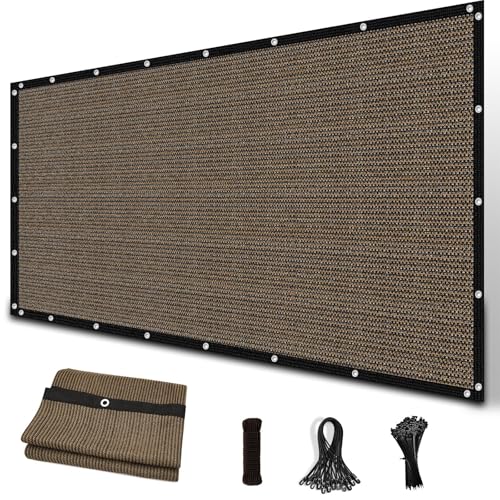
Premium Shade Fabric: The pergola shade cloth is made of 200 GSM UV protected high density polyethylene (100% HDPE) shade fabric with strong stitched seam that resists tearing and fraying, up to 90% UV Blockage

Durable & Heavy-Duty Material: Crafted from 200GSM high-density polyethylene (HDPE) with reinforced binding and grommets, this sun shade cloth offers exceptional durability for outdoor use. Its permeable design allows rainwater to pass through easily, preventing water accumulation and sagging. Resistant to tearing and mild weather, it provides reliable sun shade and light wind protection season after season
Premium Shade Fabric: The pergola shade cloth is made of 200 GSM UV protected high density polyethylene (100% HDPE) shade fabric with strong stitched seam that resists tearing and fraying, up to 90% UV Blockage
Key Signs Your Sun Shade Needs Replacing

When a sun shade starts to look tired, it’s more than an eyesore — it’s a performance problem. Faded or discolored fabric signals weakened UV protection; Shade sails need replacement when UPF drops and UV rays pass through more easily. Sagging or loose tension — more than 2 inches of droop on a 10-foot edge — can cause pooling and stress on fittings. Visible tears or frayed edges, even small 1–2 inch rips, grow under wind and sun. Excessive dirt or mold buildup often means material degradation; a $150–$350 custom sail may be wiser than repeated cleaning. Renovations might prompt a new shade to match style and size. Noticeable safety or function loss? Replace it. Testers call it “peace of mind.” Many owners prefer custom-fit designs because they reduce gaps and improve overall protection.
How Weather and Climate Shorten Shade Life

A few climates are literal enemies of shade sails. Sun-baked areas roast fabric with intense UV. Fabric fades and weakens; manufacturers often advise replace every 3–5 years in such sun. Windy spots whip seams and cause sagging. Heavy gusts above 40 mph can stretch anchors and shorten life. Humid, rainy regions harbor mold; without cleaning, mildew leads to replacement within 2–4 years. Coastal homes face salt air that corrodes fittings; expect replacement around 2–3 years. Snow load in winter adds pressure; a 6–12 inch accumulation can deform panels and prompt replace near three years. How will you know? Look for brittle cloth, rusty clips, and sag. One tester joked, “It’s like laundry for your roof.” Practical vigilance saves money. Many owners also treat their shades with UV-protective coatings to extend lifespan.
When to Repair Versus When to Replace
After weathered seams and rusty clips have been noted, the next question is repair or replace. Owners should assess small tears and loose stitches first. A quick stitch or $20 patch can fix minor flaws. But faded, stiff fabric or edge fraying signals deeper decay; a full replacement sail, often $150–$400 for a 10×12 ft panel, restores strength. Frequent repairs add costs and hassle. Significant sagging that traps water shows compromised integrity and needs replacement for safety. Professional inspections costing $75–$150 can confirm material strength and urgency. Want to maintain your shade sails? Keep simple fixes timely. Think of it like teeth: fill a cavity, but don’t keep re-capping a broken molar forever. Consider also choosing durable fabrics like 250T reflective polyester to extend the lifespan of your sun shade.
Recommended Products
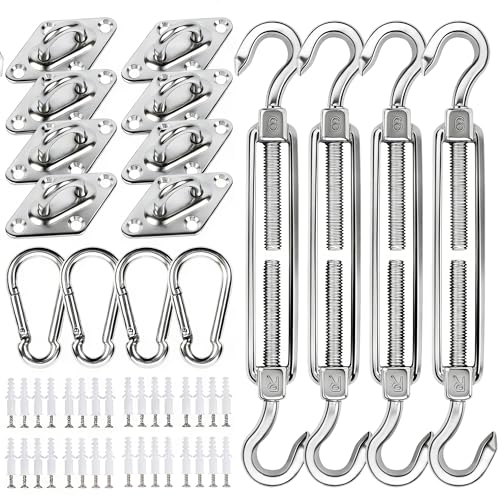
[One Kit for Any Design]: Conquer any shade sail project—rectangle, triangle, hexagon, or custom shapes—with one comprehensive 80-piece kit. Ditch the confusion of piecing together multiple sets. Plus, when installing common square or triangle sails, the extra hardware acts as your instant backup plan, saving you time and hassle if a replacement is ever needed.

Weighted Rods: The pergola canopy cover is equipped with weighted rods which help to hold down the canopy in high winds. Each end of the weighted rod has a finial for tie-downs. You can keep the rods in place if using tie-downs

Up to 90% UV Block Screening Shade Fabric made of durable 200 GSM HDPE material with knitted construction resists tearing and fraying.
Hardware and Installation Issues to Watch For
Check the fasteners. Inspect stainless steel bolts, D‑rings, and turnbuckles for rust or loosening every 6–12 months. Loose hardware can ruin tension and safety. A wobbling 1.5‑inch diameter pole signals urgent repair or replacement. Corner anchors must be planted at least 24 inches deep or secured to a rated pad eye to prevent sagging. Visible cracks in supports shorten life; replace a cracked post rather than gamble. Consider a professional shade installer for complex setups; a single visit often costs $150–$300 but buys peace of mind. How do you know? Tester Mark said, “One loose clevis pin felt like a ticking clock.” Small fixes cost $5–$30, big fixes run into hundreds. Be practical and act early. A quality sun shade with 6-layer construction will also extend overall longevity and performance.
Recommended Products
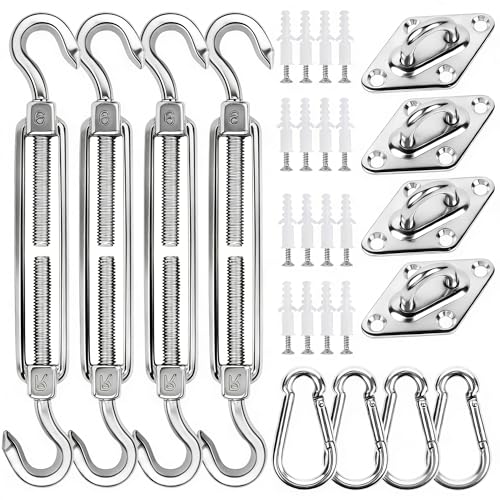
All-in-One Sun Shade Sail Hardware Kit: Our complete shade sail hardware kit includes everything you need for easy installation: 4 turnbuckles, 4 snap hooks, 4 pad eyes, 16 screws, and 16 expansion anchors. Ideal for sun shades outdoor patio, pergolas, awnings for patio, and outdoor sails for shade waterproof.

All-in-One Sun Shade Sail Hardware Kit: Our complete sunshade hanging kit includes everything you need for easy installation: 4 turnbuckles, 4 snap hooks, 4 pad eyes, 16 screws, and 16 expansion anchors. Ideal for sun shades outdoor patio, pergolas, awnings for patio, and outdoor sails for shade waterproof.

🛠️【60 Pcs Sun Shade Hardware Kit】Including 2 x Wall Mount, 2 x Ratchet Winches, 6 x Snap Hook, 2 x Pad Eyes, 4 x Double Rope Clamps, 20 x Screw, 20 x Plastic Expansion Bolts, and 4 x 6.6ft Wire Ropes.
Maintenance Practices That Extend Lifespan
When skipped, simple upkeep becomes the slow leak that ruins a good shade. Regular maintenance matters. Clean with mild soap and a soft brush every 3–6 months to stop mold and grime. Routine inspections catch fraying, loose stitching, or bent hardware before they force a swap. Keep tension correct; sagging encourages water pockets and tears. Store the shade in a dry place during winter or storms. Choosing high-density polyethylene (HDPE) mesh can yield up to 12 years with care; expect $50–$200 for quality panels. “Feels like new after a good scrub,” a tester said with a grin. Want longevity? Inspect monthly, clean seasonally, and tighten fasteners. Small steps prevent big replacements. Many custom-fit shades designed for the Jeep Grand Cherokee also provide UV protection that helps preserve interiors and extend the shade’s useful life.
Cost Comparison: Replacement Now vs. Later
If homeowners weigh costs now against costs later, the numbers and risks tell a clear story. A $100 budget sail needs replacement every 3 years. Over 9 years that is $300. A $400 premium sail can last 12 years. That’s better value on paper. Replace your shade sooner if fabric frays or connections loosen. Delaying invites safety hazards and surprise repair bills. UV protection fades; health risks rise. Is patching cheaper? Often not—frequent repairs can exceed a new sail’s cost. Consider material too: high-density polyethylene (HDPE) often lasts longer and stretches less. “Feels like buying time,” a tester said, half-joking. High-quality options can block up to 99% of UV rays, offering superior long-term protection and value UV protection.
Recommended Products

【UV Protection & Cooling】Made of 100% brand new High Density Polyethylene material and eliminate the use of splicing fabrics.Blocks up to 95% of harmful UV rays and direct sunlight exposure."Breathable" fabric allows air to pass freely and achieve a certain degree of cooling.

【About Installation】Please refer to the diagrams before purchasing. To ensure you buy the correct shade sail, you need to leave 0.5-1 ft of space for accessories to avoid buying an oversized shade

☂ 【UV PROTECTION & BREATHABLE】The shade sail is made of High Density Polyethylene fabric, which provides excellent shade to protect you from the sun.It can effectively block harmful UV rays from the sun, preventing your skin from being damaged by the sun. Permeable fabric allows air to pass freely so you can stay cool.
Choosing a Replacement: Materials and Design Tips
A few smart choices make a replacement shade sail last and look great. Choose high-density polyethylene (HDPE) fabric for about $30–$80 per 10×10 foot panel. HDPE resists UV, fading, tearing, and stretching better than cheap polyester. Ask a pro to set proper tension during installation; sagging cuts life expectancy in half. Pick a shape that fits patios, decks, or odd yards. Custom cuts cost more but give full coverage. Consider mesh density, edge webbing, and stainless steel fittings for longer service. Testers joked that a loose sail flaps like an angry flag. How much shade do you need? Measure sun paths and allow 10–20% extra overlap for movement and mounting error. Many durable shades use reflective 240T polyester or reinforced laminates to improve UV and heat protection.
Recommended Products
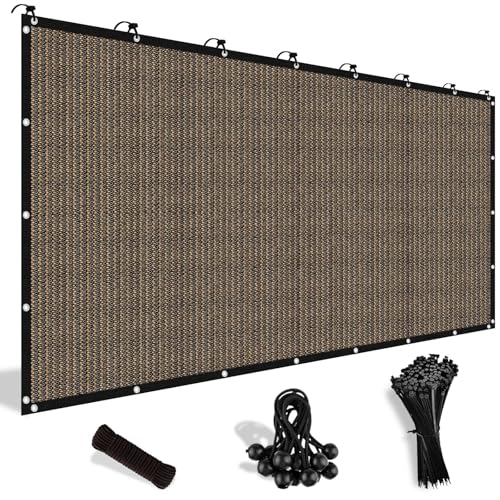
90% Sun Block: Shade&Beyond shade cloth with grommets provides 90% UV protection and resists UV fading. With excellent shading and heat insulation, you can get a shady retreat and keep your belongings away from the sun's harsh effects. By lowering the temperature under its shelter, these sunshades for patio always allow you to enjoy a cool and refreshing outdoor experience, making them ideal for patios, gardens, and more

50% Filtered Sunlight for Gentle Spring Protection: This shade cloth offers a 50% shade rate, which is ideal for the spring season. It filters direct sun while allowing 50% of vital light to reach your plants, helping them thrive as they establish growth without the stress of intense midday sun. A great choice as a garden shade cloth for new seedlings and cool-season crops.

【About Installation】Please refer to the diagrams before purchasing. To ensure you buy the correct shade sail, you need to leave 0.5-1 ft of space for accessories to avoid buying an oversized shade. In addition, due to the characteristics of this fabric, there may be a tolerance of ±4 inch from the outer edge of one D-ring to the outer edge of the other D-ring
Seasonal Timing and Storage Recommendations
Several gardeners pull shade sails off by late August. They know 90°F is the common cutoff for removal to avoid stressing plants when nights cool. Timing aligns with fall planting and local seasonal changes. Consider your outdoor space: a 10×12 ft polyethylene sail costing $40–$80 can be stored folded in a dry bin. Clean fabric first; let it air 24 hours to prevent mildew. Monitor forecasts and crop calendars — tomatoes and peppers need different dates. Where to stash sails? A garage shelf or plastic tote works. How long will they last if stored right? Expect 3–7 seasons depending on UV exposure. “Feels like tucking a pet bed away,” a tester joked, practical and precise. Choose durable materials and proper storage to extend lifespan and protect against UV damage.
Frequently Asked Questions
How Long Does a Sun Shade Last?
About 3–12 years. Like a weathered sail, lifespan depends on Durability factors: Material types (HDPE lasts longest), Usage frequency, environment, installation and maintenance; visible fraying, fading, or tears signal it’s time to replace.
How Often Should You Replace Your Sunglasses?
They should be replaced every 1–2 years or sooner if damaged. He considers UV protection benefits, lens material types, color and style changes, and fit after weight shifts to guarantee clarity, safety, and aesthetic relevance.
How Often Should You Replace Your Sunscreen?
They should be replaced every three years or sooner if sunscreen expiration dates show it expired, if texture or color change, or after six months opened; maintaining skin protection effectiveness requires proper SPF application frequency and storage.
Why Is My Sun Shade Sagging?
The sun shade is sagging due to sagging causes like loose tension, weather degradation, improper installation, or degraded sun shade materials. Maintenance tips include retensioning, inspecting fittings and fabric, repairing anchoring, and replacing if damage persists.


