As an Amazon Associate, we earn from qualifying purchases. Some links on this site are affiliate links at no extra cost to you. Our recommendations are based on thorough research and editorial judgment.

How Long Does It Take for Sun to Fade Car Upholstery?

Sun can fade car upholstery surprisingly fast. Leather in direct summer sun may show color loss and cracking in about six months. Dark cloth often looks dull or streaked after one to two years. UV-A causes most damage; a tint blocking 99% UV or a $20 windshield sunshade greatly slows it. Conditioners ($10–$30) help leather; fabric sprays protect for months. Want simple fixes, test methods, and timeline steps to follow next?
Key Takeaways
- Leather in direct sunlight can start to discolor within weeks and often shows significant fading or cracking by six months.
- Dark dyes (deep red, navy) fade faster than lighter colors, often becoming noticeably dull within months of regular sun exposure.
- Fabric upholstery may begin to show minor fading after about six months, with clear dulling in one to two years of sun exposure.
- Vinyl left unprotected can become brittle and fail within a year, with visible color loss appearing earlier.
- Using shade, UV-blocking window film, sunshades, and monthly conditioners can greatly slow fading and heat-related damage.
Key Factors That Determine How Quickly Upholstery Fades
You may be interested


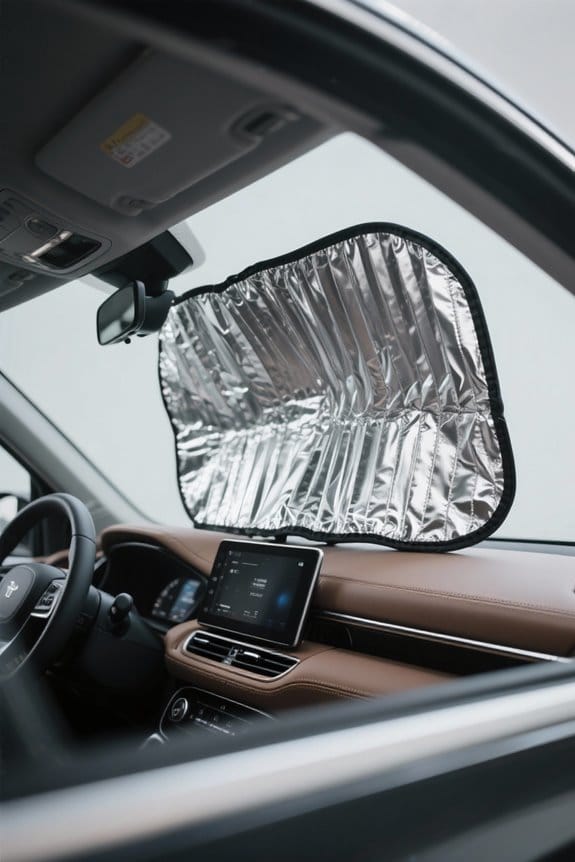
The main culprits that decide how fast upholstery fades are material, UV exposure, heat, and dye type. Leather upholstery can show visible discoloration in about six months under prolonged sun. UV-A rays do most of the damage; a thin streak may appear in weeks with strong sunlight exposure. Heat buildup raises interior temps above 120°F, accelerating fading and weakening plastic components near windows. Dark dyes like deep red or navy often lose pigment faster. Protective measures help: a $15 reflective sunshade or $30 UV film can cut interior temperatures and block UV. Regular care matters too—cleaning and conditioning leather every three months slows wear. Who wants faded colors? Simple steps today prevent costly repairs tomorrow. Custom-fit windshield shades made from high-density reflective materials can significantly reduce cabin heat and block UV, helping preserve upholstery longer, especially for custom-fit designs.
Recommended Products

2X Heat Blocking with Double-Layer Design: Unlike standard single-layer sunshades, Magnelex uses dual 240T reflective layers for superior heat rejection and UV protection. Stay cooler, protect your interior, and feel the difference every time you enter your car.
![[2026 Upgraded] DooGooCoo Windshield Sun Shade for RAM 1500 2500 3500 2019-2025 2026 [Cooling Ice-Crystal, 100% Sun Block] Car Sun Shade Windshield for Truck RAM 1500 Sun Shade, Custom for RAM Front.](https://m.media-amazon.com/images/I/51IIOqADNYL._SL500_.jpg)
【Precision Fit for RAM 1500 2019-2026】Custom-fit car windshield sun shade designed for RAM 1500 model 2019 2020 2021 2022 2023 2024 2025 2026,offering full coverage as a dependable car sun shade windshield.
How Different Materials React to Sunlight

After noting how quickly sun can sap color and crack seams, it helps to look at how different upholstery types actually behave under sunlight. Leather often fades and cracks within months without conditioners or UV protectants; a $15 leather conditioner used monthly can slow this. Fabric materials vary by dye quality; some show fading in about six months of regular sun exposure. Vinyl components are brittle and can fail within a year if left unprotected. Dark cloth may show color alterations after one to two years, looking dull like tired paint. UV rays drive most deterioration. Want to test? Place a swatch in sunlight for a month. “It’s like sunburn for seats,” one tester joked—and buyers took notice. Many owners therefore install custom-fit sunshades to block UV and reduce interior heat.
Recommended Products
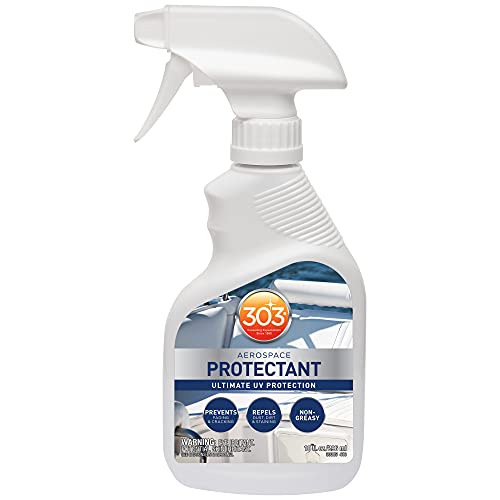
Ultimate Protection – Superior protection against UV rays, dust, dirt, salt water, and staining keeps your products looking like new by preventing fading and cracking
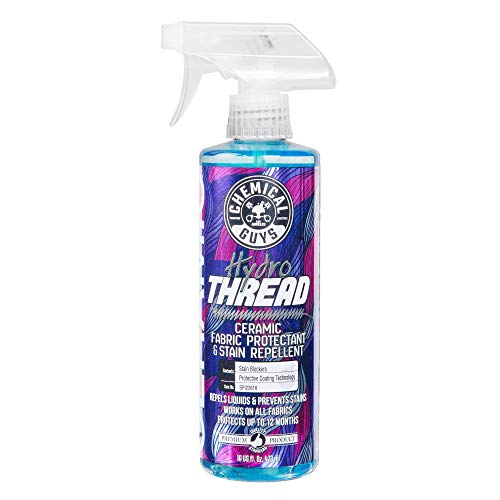
CERAMIC FABRIC COATING SPRAY (SPI22616): Chemical Guys ceramic coating with Si02 ceramic chemistry bonds to upholstery fabric to create a hydrophobic barrier, keeping cloth seats, carpet, and floor mats looking cleaner between full interior details

ALL-IN-ONE SOLUTION: The ultimate car interior cleaner with natural enzymes, safely removes tough stains and dirt from surfaces such as leather seats, vinyl, plastic and rubber with no greasy residue
Signs Your Car Seats Are Already Sun-Damaged

A cracked seam or a dull patch can tell a clear story about sun damage. Readers notice faded colors on seats first. Prolonged exposure to UV rays often causes discoloration and a rough fabric texture. Leather upholstery may show cracks or peeling; it’s like old paint splitting. Weak stitching and fraying seams are early warning signs of sun damage. Even plastic parts and cracked dashboards count as related wear and tear. How bad is it? A $20 UV meter can show peaks over 3,000 µW/cm² on a dashboard in summer. Tester quote: “It felt like the sun had fingerprints.” Spotting uneven edges, brittle leather, or dull fabric helps decide if repair or replacement is needed. Using a custom fit sun shade can dramatically reduce UV exposure and prolong interior life.
Recommended Products

Enhanced Sun Protection: Shield your vehicle from harmful UV rays with EcoNour windshield sunshade and car window shades. Made from premium 240T polyester, this car sun shade windshield acts as a sun shade protector, blocking heat to keep your dashboard, seats, and interior cooler. A reliable sun visor for car windshield and sun cover for car windshield for everyday driving.

Superior Heat & UV Protection: Keep your vehicle cool with the EcoNour windshield sunshade. This premium car sun shade windshield blocks harmful UV rays and heat, acting as a reliable sun shade protector and sun blocker for car windshield to help protect your dashboard, seats, and interior from sun damage.

2X Heat Blocking with Double-Layer Design: Unlike standard single-layer sunshades, Magnelex uses dual 240T reflective layers for superior heat rejection and UV protection. Stay cooler, protect your interior, and feel the difference every time you enter your car.
Practical Steps to Slow Down Fading Right Now
Several easy moves can buy months or years of life for sun-bleached seats. Park in shade or use car covers ($30–$100) to cut direct sun exposure and slow fading. Add window tinting rated to block 99% of UV rays; pros charge $150–$400. Pop a $10 sunshade in the windshield when parked. Apply protective coatings and leather conditioners monthly to maintain moisture levels and prevent cracking — try a $15 bottle of leather cream. Install a dashboard cover for $20 to shield sensitive plastics. How fast will this help? Expect noticeable difference within weeks, with long-term benefits over years. Think of treatments as sunscreen for car upholstery. Tester quote: “Simple, cheap, and it works.” You can also consider installing custom-fit sun shades for even better UV protection and coverage.
Recommended Products

Material Upgrade: The new windshield sunshade for 2026 provides more sun protection and shade. We abandoned the old-fashioned titanium silver coating design and chose 300T Oxford cloth with higher density as the raw material for the sunshade. It can effectively block sunlight and heat, allowing you to enjoy the coolness and tranquility inside the car in the scorching summer.
![[2026 Upgrade] Weektic Windshield Sun Shade Umbrella, [Double Thickened Ice Crystal Coating] Sun & Heat Protection, Keep Vehicle Cool & Protect Interior, Zero Light Leakage Medium 57" L x 31" W](https://m.media-amazon.com/images/I/51Ke93znLcL._SL500_.jpg)
❄️ [Beat Summer Heat, Enjoy Cool Driving Comfort] Featuring newly upgraded thickened ice crystal fabric, this sun shade effectively blocks ultraviolet rays while reflecting and isolating up to 90% of external heat. It greatly reduces the internal temperature of your vehicle, keeping it steadily below a comfortable 78°F. No more burning-hot steering wheel and seat cushions, bringing you a consistently cool and pleasant driving experience.
![[2026 Upgraded] DooGooCoo Windshield Sun Shade Umbrella for Toyota Rav4 2019-2025 2026 [100% Sunlight Blocked, Cooling Ice Crystal] Sunshade for Car Windshield for Rav4 Sunshade, Custom Fit Rav4.](https://m.media-amazon.com/images/I/511yUitdmmL._SL500_.jpg)
【Precision Fit for Toyota Rav4 2019-2025】Custom-fit windshield sun shade umbrell designed for Toyota Rav4 2019, 2020, 2021, 2022, 2023, 2024, 2025, offering full coverage as a dependable rav4 sun shade for car windshield.
When to Repair or Replace Faded Upholstery
When should someone stop patching and start replacing sun-ruined seats? A car owner should assess UV damage after six months of strong sun exposure. Light fabric may show fading quickly; leather can crack within a year without conditioners and UV protectants. If seams split, foam compresses, or color loss exceeds 30%, repair is cosmetic; replacement becomes sensible. Repairs like dye or patch kits cost $30–$200. Reupholstery runs $500–$2,000+ depending on material and labor. Ask: does a $150 dye job really fix structural wear? Measure damage area in square inches; big patches mean expensive repairs. Protectants buy time. If the upholstery’s condition affects comfort or resale, replace it. “It’s like sunscreen for seats,” a tester joked. Using a custom-fit sun shade made from reflective polyester can help prevent further UV damage.
Recommended Products

NO TECHNICAL EXPERTISE NEEDED : The Leather & Vinyl Repair kit is designed to be very quick and easy to use for everyone, regardless of experience or technical ability. The instructions provided with the kit are detailed but easy to understand and follow, specifically laid out to easily match the color of the furniture and apply the product

Perfect Heavy Duty Sewing Kit: This fully-packed sewing kit contains all the necessary tools to sew for most of your sewing needs. You will get: 25* Hand Sewing Needles, 12* Upholstery Thread, 1* Inch Ruler, 1* Scissors, 1* Thimble, 3* Awl Tool, 2* Seam Ripper, 1* Threader.

【Heavy Duty Sewing Kit】- This comprehensive sewing kit includes 32 leather sewing needles, 10 leather sewing threads (30 m/color), a needle bottle, an awl, a tape measure, scissors, and a sewing thimble.
Frequently Asked Questions
Does Sun Damage Car Interior?
Yes. Sun exposure damages upholstery materials, causing fading signs and long term effects on color retention and texture. Interior protection, protective films, maintenance tips, weather conditions awareness, and reupholstery options mitigate deterioration.
What Is the 30-60-90 Rule for Cars?
Like a scheduled heartbeat, the 30-60-90 rule directs car maintenance: address minor issues within 30 days, moderate within 60, significant within 90 to guarantee UV protection, interior materials care, color retention, upholstery care, fading prevention, restoration techniques.
What Car Color Fades the Fastest in Sunlight?
Red hues fade fastest in sunlight. Car paint suffering from prolonged light exposure shows reduced color durability; fade resistance depends on material quality, UV protection, interior maintenance, sun reflection, climate factors, and prevailing color trends.
How Long Does It Take for Sun to Fade Car Paint?
Like a telegram from 1920, he says: signs appear within 3–6 months under strong sun exposure; color durability declines over years. Maintenance tips: waxing frequency, polish application, paint protection, protective coatings, ceramic sealants, UV rays, fading techniques.


