As an Amazon Associate, we earn from qualifying purchases. Some links on this site are affiliate links at no extra cost to you. Our recommendations are based on thorough research and editorial judgment.


How Sun Exposure Affects Different Interior Materials

Sunlight wrecks interiors in three ways: UV (about 40%), visible light (≈25%), and heat (≈25%). Fabrics fade, leather dries and cracks, wood fades and warps, and plastics bleach. Simple fixes help: UV window film ($50–$200 per window), UPF‑50 curtains ($30–$150), or leather conditioner ($15/month). Think of sun as a slow thief stealing color and oil. Want to protect a favorite sofa or floor? Keep going to learn practical, budget-friendly steps.
Key Takeaways
- Sunlight’s UV rays cause about 40% of fading, breaking down dyes and finishes in fabrics, wood, leather, and artwork.
- Visible light adds roughly 25% more color dulling to upholstery, carpets, and printed materials over time.
- Heat from sun exposure (≈25% of damage) dries and warps wood, weakens adhesives, and embrittles plastics and vinyl.
- Leather loses oils and cracks under prolonged sun unless regularly conditioned and protected with UV-safe treatments.
- Protective options include UV-blocking films, UPF curtains, UV glass for frames, and rotating or limiting direct light exposure.
The Science of Sunlight: UV, Visible Light, and Heat

You may be interested


Although sunlight feels pleasant, it is a powerful chemical and physical force on interior materials. Sunlight exposure delivers roughly 40% of the fading process via UV rays. UVB rays are partially blocked by standard glass, yet UVA passes through and still harms finishes. Visible light adds about 25% by dulling color. Heat gain accounts for the remaining 25%, drying and weakening fibers or wood. Imagine a sofa left in a sunny patch like toast in a toaster — furniture fading happens. Practical protective measures include a UV-blocking window film ($50–$200 per window) or curtains rated UPF 50+ (about $30–$150). Want proof? A tester said, “Colors go flat in months, not years.” Many Audi Q7 owners opt for foldable sunshades designed to block up to 99% of UV rays to protect interiors. What would you protect first?
Effects on Fabrics, Upholstery, and Curtains

Think of a sunny window as a slow-motion bleach machine for fabrics. Sun exposure causes UV to do about 40% of fading, while visible light adds roughly 25% more dulling. Upholstery loses color vibrancy and fibers weaken over years. Who wants saggy couch fabric at five years? Heavy curtains or UV-blocking window treatments work as a protective barrier. A 3M UV film ($30–$80 per window) is an effective solution, as are blackout curtains from $40. Regular maintenance helps too: fabric sprays that advertise UV resistance, about $12 a can, can slow sun damage. Test a hidden seam first. Light humor: the sofa didn’t sign up for a tanning bed. Custom-fit sunshades for vehicles can also significantly reduce interior UV exposure and heat buildup by blocking up to 99% of UV rays custom-fit protection.
Recommended Products
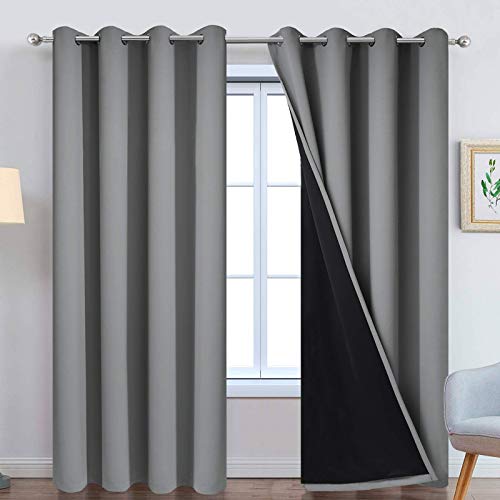
PACKAGE MADE:2 panels per package. Each Lined Curtain measures 52" wide x 84" long. 8 Silvery Grommets per panel. This silvery grommet (1.6 inch inner diameter) fits many rods. Easy to hang and smooth to slide. The simple design gives people a sense of ease.

100% Blackout Curtains: Our Blackout Curtains ensure a completely dark room, isolate noise and protect privacy. These room darkening curtains can block 100% sunlight.Heavy duty curtains keep heat indoors in winter and discharge heat in summer, thereby reducing cooling and heating costs , While protecting your furniture, floors and artwork from the sun damage
How Sunlight Damages Wood Floors and Furniture

When sunlight streams through a window for hours each day, wood floors and furniture slowly pay the price in faded color and stressed grain. UV rays penetrate glass; prolonged exposure to UV causes fading and discoloration that can be irreversible. Dark walnut tables show it fast. Direct, intense sunlight also dries wood, causing cracks and warping from heat-driven expansion and contraction. The cumulative effect weakens structural integrity, making joints loose and legs fragile. Want protection? Use UV protection films ($20–$60 per window) and protective coatings like UV-blocking sealers ($25–$80 per gallon). Interior design choices matter: rotate rugs, move chairs, or install blinds. Minimizing the risk is practical, not dramatic. “It saved my floor,” a tester quips, half-serious, half-relieved. Using custom-fit sun shades can also significantly reduce interior heat and UV exposure, helping preserve wood and upholstery by blocking up to 99% of UV rays.
Recommended Products

2026 Updated Backing Grids: Our window tint for home has been upgraded to the latest version! There are 1 inch grids on the backing for you to cut it easily. Now you can complete the installation more easily!
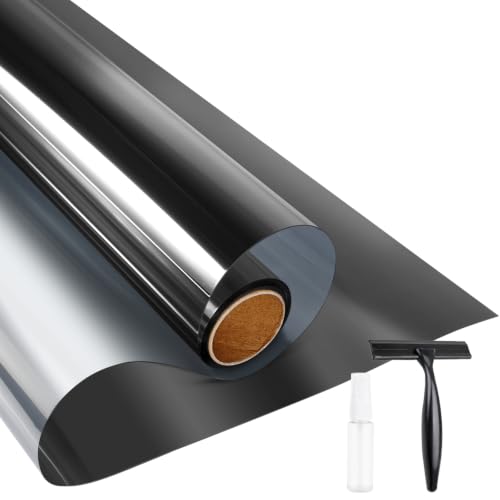
UV BLOCKING & GLARE CONTROL: KESPEN sun blocking window film can effectively block 82% of infrared rays and 90% of UV rays which may hurt your skin, prevent your precious furniture and interior decorations from fading. 12% VLT means that some visible light can enter the room, not only to block the harsh light and reduce glare, but also to maintain your good view

Year-Round Energy Efficiency: Our advanced 87% infrared blocking tech insulates heat in summer and retains warmth in winter, keeping your indoor temperature comfortable all year long. Cut down on heating and cooling costs with this heat-blocking window tint—stay cool, stay warm, and save smart
Impact on Leather and Vinyl Surfaces
A few hours of direct sun a day can ruin a leather sofa or vinyl chair faster than most people expect. Sun exposure and UV rays strip leather oils, causing fading and dry cracks; a $15 leather conditioner used monthly can slow this. Vinyl interiors also suffer: prolonged exposure breaks chemical bonds, leading to discoloration and brittleness after a few seasons. High heat increases wear and tear and shortens lifespan, sometimes requiring $200–$800 repairs or replacement. What can be done? Use UV protectants labeled for leather or vinyl; test first on a hidden seam. Regular maintenance matters. Think of sunshine like cheap sandpaper — pretty, but abrasive. Want fresher seats? Treat them, shade them, and check annually. Many vehicle owners find that using custom-fit shades designed for their specific model provides the best protection against UV damage and heat buildup.
Recommended Products

303 UV Protectant brightens surfaces and keeps them looking newer, longer. This formula provides superior UV protection for any rubber, finished leather, plastic, vinyl, eisenglass, PVC, gel coat & fiberglass surfaces. Not for use on unfinished leathers (such as suede), fabrics (canvas) or floorings.
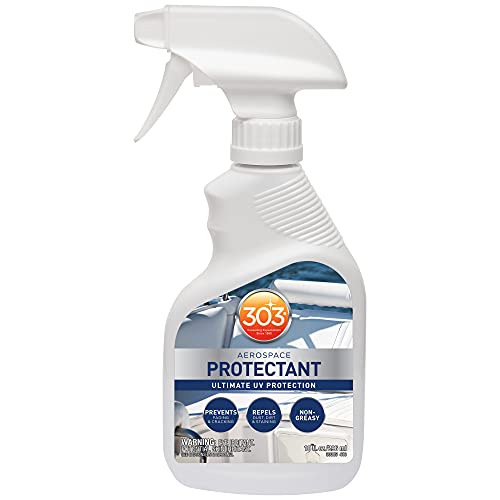
Ultimate Protection – Superior protection against UV rays, dust, dirt, salt water, and staining keeps your products looking like new by preventing fading and cracking
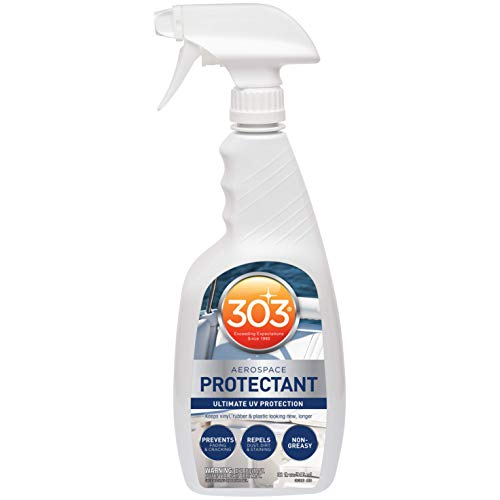
Ultimate Protection – 303 Marine Aerospace Protectant Provides Superior Protection Against The Sun'S Damaging Uv Rays. This Protector Spray Repels Dust, Dirt, And Staining While Also Helping To Prevent Fading And Cracking, To Keep Marine Surfaces Looking Newer, Longer.Fit Type: Universal Fit
Sun Effects on Plastics, Composites, and Polymers
Many plastics and composites seem fine at first glance, but constant sun can erase color and strength fast. Sun exposure breaks chemical bonds in plastiсs and polymers, causing brittleness, cracking, and severe fading—sometimes up to 90% color loss in a few years. Composites can delaminate and look tired. What can readers do? Protective measures help: a $200 UV-blocking window films kit (blocks ~99% UV) cuts UV rays and reduces heat, prolonging life. Outdoor-rated additives and stabilizers cost $10–$30 per pound and slow deterioration. Small repairs buy time; replacement costs vary widely. Imagine a plastic chair like a sunburned arm—funny, but real. Simple steps protect value and comfort. Who wants faded furniture anyway? Custom-fit sun shades and quality reflective materials can also significantly reduce interior UV exposure and heat buildup, making them an effective protective option for vehicles UV blocking.
Damage to Paint, Finishes, and Coatings
Sunlight is a stealthy thief of finish and color. Sun exposure causes visible damage to paint; UV radiation can account for about 40% of fading finishes on walls. Heat from direct sun makes coatings brittle, leading to cracking and peeling over years. Glossy finishes show discoloration first, because they reflect light unevenly. Protective coatings, like a $25 UV-blocking sealant spray covering 100 sq ft, can slow deterioration and extend lifespan by years. Who wants flaking trim? Regular maintenance—cleaning and reapplying sealants every 3–5 years—keeps aesthetic appeal and saves money. Testers note, “Colors look alive longer.” Practical checks every season catch problems early. Want vibrant rooms? Treat sun exposure as a maintenance priority. For vehicles and outdoor surfaces, choose heavy-duty, UV-resistant materials such as 600D Oxford cloth to improve long-term protection and durability.
Sunlight’s Influence on Flooring Materials and Carpets
Indoor UV is a quiet decorator — and not always in a good way. Sunlight and UV rays cause noticeable fading in many flooring materials. Laminate and vinyl can lose color; about 40% of that discoloration stems from UV radiation. Carpets, especially synthetic ones, fade and lose vibrancy after long exposure. Hardwood risks uneven color shifts and even warping with prolonged sunlight. Up to 70% of UV rays pass through windows on cloudy days, so damage happens year-round. Want to protect floors? Use window films costing $5–$15 per square foot or heavy curtains for $30–$200. These options block UV rays and reduce sunlight exposure. Think of floors like skin: sunscreen helps. Don’t wait until colors look tired. Many vehicle and home products, such as sun visors and window films, use titanium-silver coatings to enhance UV protection and reduce interior temperatures.
Recommended Products

NO ADHESIVES WINDOW PRIVACY FILM: Glue Free Design Cuts down Chemical Release Drastically, Applies in Minutes and Firmly Sticks to Windows

One-Way Daytime Privacy: See out, not in! When sunny, the reflective surface keeps outsiders from seeing in while maintaining your crystal-clear view to see out. NOTE: Reflective effect reverses at night with lights on - use curtains for privacy

Heat Control, Energy Saving: This window tint reflects 91% infrared rays to cut glass heat transfer, proven to noticeably reduce room heat for hot south/west-facing windows. It keeps rooms cool in summer and retains warmth in winter, reducing excess AC consumption for improved energy efficiency. Note: Do not apply on double-pane windows exposed to prolonged sunlight
Protecting Artwork, Photographs, and Decorative Items
Although not always obvious at first glance, direct sun can rob a watercolor or family photo of its soul in a season or two. Protecting artwork requires action. UV rays break down dyes; fading follows. Photographs on standard paper can lose color and detail within 1–3 years in bright light. Decorative items—textiles, ceramics—also change: fibers weaken, glazes dull. What to do? Use UV-blocking glass ($40–$150 per frame) and rotate displays monthly. Place pieces out of afternoon sunlight or behind sheer curtains that cut intensity by ~50%. Consider archival mats and low-UV LEDs at 50 lux for sensitive prints. Damage is cumulative, not sudden. Want easy proof? Tape a swatch and watch it pale. Small steps protect interior materials and memories. Use a Subaru WRX sunshade to reduce interior light and heat when parked, which helps protect fabrics and leather from UV damage and fading, especially in models with custom-fit protection.
Recommended Products

Fashionable & Minimalist Design: These black 5x7 picture frames 2 pack feature a clean, simple look that fits seamlessly into any room—bedroom, living room, office, kitchen, gallery, or foyer. They also make a thoughtful gift for birthdays, weddings, Valentine’s Day, Christmas, and Thanksgiving

UV Protection:The protective coating provides UV protection, protecting your eyes from harmful UVA and UVB radiation, improving visual clarity and enhancing colour perception

Customized Gifts for Every Occasion: Cherish your favorite memories with our well-made customized crystal photo cube. Created using scratch-and-impact-resistant crystal, each clear as glass picture cube elevates your home and office space. art UV printing technology, your photo prints with unmatched clarity, creating a stunning, crystal clear display.
Frequently Asked Questions
How Does Sunlight Affect Different Materials?
Sunlight impact reduces interior durability and material longevity: UV resistance varies, causing color fading, chemical breakdown, surface deterioration and thermal expansion. Design considerations and maintenance strategies mitigate damage through shading, coatings, rotation, and climate control.
What Materials Should Not Be Used in Direct Sunlight?
Coincidentally, one should avoid delicate fabrics fade-prone upholstery, untreated leather cracks, sun-sensitive carpets discolor, wallpaper peels, light wood warps, painted surfaces where paint deteriorates, textiles upholstery bleaches, vulnerable flooring fades, metal rusts, and artwork bleaches.
What Materials Are Affected by UV Degradation?
UV exposure effects degrade fabrics, leather, wood, plastics and vinyl; Material durability ratings, Protective coatings options, Fading prevention techniques, Interior design strategies, Fabric selection considerations, Long term cost implications, Maintenance best practices, Lightfastness testing methods, Sustainable material choices.
How Does Sunlight Affect Plastic?
Sunlight degrades plastic: it causes plastic discoloration effects and UV radiation impact that reduce durability of plastics. Heat resistance levels drop, accelerating material aging process, harming outdoor furniture performance and household items longevity despite protective coatings effectiveness; sustainable alternatives availability and climate influence range matter.


