As an Amazon Associate, we earn from qualifying purchases. Some links on this site are affiliate links at no extra cost to you. Our recommendations are based on thorough research and editorial judgment.


Understanding UPF Ratings in Automotive Sun Protection

UPF measures how much UV a car film or sunshade stops. It tells drivers the percent blocked—UPF 50 blocks about 98% of UVA/UVB. Think of it as sunscreen for glass; a $10 reflective shade cools the dash, while $150–$400 films can block 99%. Dark tinting only shows visible light, not UV protection. Want protection for skin and upholstery? The guide that follows explains testing, fabrics, costs, and simple choices.
Key Takeaways
- UPF measures how much UVA and UVB a fabric or film blocks; higher UPF means better protection.
- UPF 30+ is recommended; UPF 50 blocks over 98% of UV radiation.
- UPF applies to fabrics and shades, unlike tint percentage which measures visible light transmission.
- Material, weave density, color, and UV-blocking finishes determine a product’s UPF performance.
- Combine UPF-rated films or shades with reflective sunshades and shaded parking for maximum cabin protection.
Understanding UV Radiation and Vehicle Exposure

You may be interested


Many drivers notice a sunburned cheek after a long commute. The sun emits UV radiation that penetrates car glass. UVA rays pass through more easily than UVB, causing premature aging and DNA damage. UVB is partly blocked by most windows, but some still leak. How much varies with tint, glass type, angle, and intensity. Window films and UV-blocking coatings can cut exposure by over 99% in some tests. A common film costs $150–$300 for a sedan. Drivers often report more left-side exposure from the driver’s window. For skin protection, simple steps help: install certified films, wear sunscreen SPF 30+, or use a sun sleeve. Tester quote: “It felt like a slow oven on my cheek.” UPF Ratings clarify product performance. Custom-fit sunshades for specific models can provide UPF 50+ rated protection and reduce interior temperatures significantly.
What UPF Means for Automotive Window Films and Shades
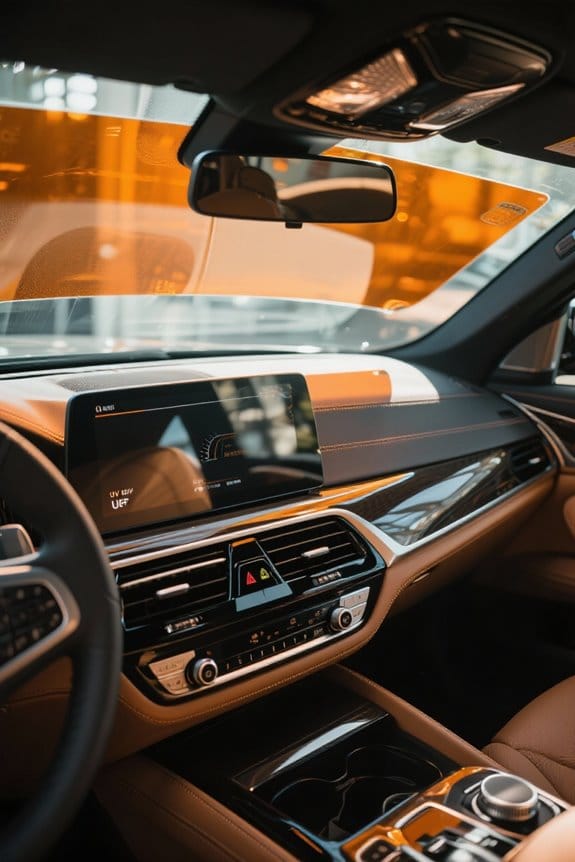
Think of UPF as the scorecard for window films and shades. It tells drivers how well a product blocks UV radiation. A UPF 50 film blocks over 98% of UVA and UVB rays, which is like sunglasses for your car. Testers note that UPF is measured in lab sunlight exposure, just as fabric ratings are. Choose UPF 30 or higher for reliable sun protection and less fading. Automotive window films come in DIY rolls around $50–$200. Professional tints may run $150–$400, depending on coverage. Want cooler rides and preserved leather? UPF-rated shades help protect vehicle interiors and reduce heat. Who wouldn’t want less glare and fewer upholstery regrets? Many high-quality shades use premium 240T or 300T polyester for durability and reflective performance, often coming with storage pouches and easy foldable designs. Practical, tested, and simple to compare.
Recommended Products

Important Information for Purchasing: 1.Confirm your car window frame supports magnets.2.Use a fridge magnet to test magnetic ability.3.Magnetic area must exceed the rubber seal zone.4.Heat may weaken the magnet’s holding strength

Material Upgrade: The new windshield sunshade for 2026 provides more sun protection and shade. We abandoned the old-fashioned titanium silver coating design and chose 300T Oxford cloth with higher density as the raw material for the sunshade. It can effectively block sunlight and heat, allowing you to enjoy the coolness and tranquility inside the car in the scorching summer.

Enhanced Sun Protection: Shield your vehicle from harmful UV rays with EcoNour windshield sunshade and car window shades. Made from premium 240T polyester, this car sun shade windshield acts as a sun shade protector, blocking heat to keep your dashboard, seats, and interior cooler. A reliable sun visor for car windshield and sun cover for car windshield for everyday driving.
How UPF Differs From SPF and Tinted Glass Ratings

After explaining UPF for car films and shades, it helps to compare that number to sunscreen and window tint labels so drivers know what they’re buying. UPF applies to fabric and measures how much UV radiation it blocks. A UPF 50+ fabric blocks over 98% of UVA and UVB. SPF is for sunscreen and tests UVB protection; SPF 30 blocks about 96.7% of UVB when used correctly. Tinted glass often lists visible light transmission, not UV blockage. So a dark tint might feel protective but may not equal UPF 50+. Want real numbers, not guesses? Think of UPF as lab-certified armor. One tester joked, “It’s like sunglasses for your skin,” and that helps you decide. Many Chevrolet Equinox-specific sun shades claim to block up to 99% of UV rays, which can make a measurable difference in cabin temperature and interior protection.
Recommended Products

OPTIDARK CERTIFIED UV PROTECTION: Tested to Australian Standards - "excellent". Blocks 98.6% of UV rays (UPF 50+)

Compact and Portable: This mini umbrella folds to just 7.5 inches, features a 39.5-inch canopy with a 35-inch diameter, standing 21 inches tall for full single person coverage. Weighing only 0.53 pounds, it's as lightweight and space-saving as a mobile phone. Whether you slip it into your jeans pocket while shopping or toss it into your backpack for a short trip, it's easy to store
![Nmoiss Ice Silk Air-Cooled Car Windshield Sun Shade, [Enjoy Superior Coolness & Comfort] 84.2% Heat Insulation UPF>50 UV Block, Interior Protection, Universal Fit for Car SUV Truck Accessories, XL](https://m.media-amazon.com/images/I/51wA2C4ZhbL._SL500_.jpg)
[99% UV Block & Dual-Layer Constant Cooling] Patented air insulation layer + dual-layer structure delivers lasting coolness. Outer vinyl reflective film blocks 99% UV rays, while inner ice silk lining brings instant cooling effect. It stabilizes cabin temperature around 75°F after hours of sun exposure, ending hot steering wheels and sweltering interiors for daily outdoor parking.
Testing Methods That Determine UPF for Automotive Fabrics
A few standard tests decide whether an auto fabric earns a UPF label, and those tests are what separate marketing claims from real protection. Lab technicians expose samples to UV radiation and measure UV transmission with instruments. ASTM D6603 is the common test. It reports how much UV gets through. A UPF 30 result means only 1/30th of UV radiation penetrates — about 96.7% blocked. Automotive fabrics go through this protocol for reliable protection in cars. Results vary by weave, color, and coatings. Imagine a curtain like armor tested at $50 per sample in a supplier lab — quirky, but useful. Want peace of mind? Look for tested UPF ratings and ask for test reports. Custom-fit windshield covers for vehicles like the Acura RDX often combine reflective layers and insulation to improve performance, so check for custom-fit designs when evaluating claims.
Factors That Affect UPF Performance in Cars
Sunlight behaves like an uninvited guest in cars, and several clear factors decide how well fabrics block it. UPF depends on material choice; polyester and nylon often score higher, typically yielding UPF 15–50+ in tests. Weave density matters a lot: tighter weaves can cut UV radiation by 70–95%. Color helps too—darker shades absorb more, so a deep charcoal seat can outperform beige. UV-blocking finishes add protection; a $15–30 spray can raise UPF noticeably. Age and wear reduce effectiveness over years, so inspect automotive fabrics periodically. Want numbers? Look for UPF 30+ as a practical target. “Feels safer,” a tester joked while measuring transmission. Custom-fit sunshades made from 240T polyester can provide improved UV protection and durability.
Benefits of Using UPF-rated Window Films and Sunshades
When parked under a blazing sky, drivers and passengers can get real protection from UPF-rated window films and sunshades that block up to 99% of UV rays. These products cut UV radiation and harmful rays, shielding skin and interiors. A $50 sunshade reduces cabin heat by about 15°F on average. Window films with UPF 50+ provide excellent protection and limit fading of upholstery. Want privacy and lower AC use? Films also darken windows and improve fuel economy slightly. They are an effective way to protect during commutes and long trips. Tester Maria joked, “Feels like stepping into shade under a palm.” So, why risk sunburn or cracked dash? Use UPF gear to stay safe and extend vehicle life.
Recommended Products

Maximum UV and Sun Protection:Sfee car window shade is made of premium higher density fabric mesh that ensure your vision is not obscured. Window shades for car is perfect for protection against sun glare, heat, and harmful UV Rays. Blocks the harmful UV rays and keeps your car safe. Not like other cheap plastic shade, our car sun shades make you feel cool in car. Car window shades for side windows will protect your baby from direct damage from the sun effectively.

Maximum UV & Heat Blocking Protection – Upgrade your summer driving with this powerful car windshield sun shade designed to reflect harsh sunlight and harmful UV rays. The premium reflective sun shade for car windshield acts as a strong windshield protection curtain, that helps prevent dashboard fading, steering wheel overheating, and interior damage while keeping your vehicle cooler.

Shield-X Ultra Reflective Technology: EzyShade plus Shield-X has revolutionized sun shades, consistently leaving car interiors cooler and more comfortable than comparable reflective sun shades (up to 15% cooler).
Choosing the Right UPF-rated Products for Your Vehicle
Several practical choices can make a big difference for sun protection. Shoppers should pick automotive window films with UPF ratings of 30 or higher. That blocks most UV rays and cuts interior fade. A midrange film costs $100–$300, while premium types run $400+. Many sunshades list UPF ratings and claim up to 99% UV rays blocked; they’re cheap, $10–$40, and handy for quick parking stops. Choosing car covers with high UPF protects paint and upholstery from long sun exposure. Seat covers made from UPF-rated fabrics add skin protection on long drives. Always check independent testing labels for effective UV protection. Want peace of mind? Look for certified UPF numbers and a short tester quote: “Feels cooler, lasts longer.”
Recommended Products
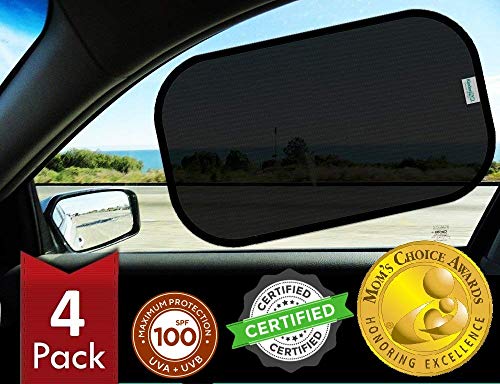
Certified UV Protection: Lab tested and proven to blocks 99.79% UVA & 99.95% UVB to help protect passengers from harsh sun exposure and glare during daily drives and road trips making this window shade a must have car necessities & a baby travel essential

Triple trouble-blocker: Hit the road with full peace of mind! Baby Uma's 2-pack of static cling car window covers act as an effective UV shield, glare shield, and privacy shield in one.

Optimal Coverage: Includes two auto shades, each measuring 15 x 19 inches (35.6 x 43.2 cm), for maximum sun protection
Installation, Maintenance, and Longevity of UPF Treatments
After picking the right UPF-rated films, fabrics, and shades, attention turns to how those treatments get put on and kept working over time. Installation is straightforward if automotive fabrics are clean and dry; a $25 aerosol prep and a $40 kit usually suffice. UPF treatments bond better on spotless seats. Maintenance calls for mild detergent washes every few months. Harsh chemicals strip coatings and reduce UV protection. Expect UPF 30–50+ coatings to last years with light use; heavy wear shortens longevity. Inspect for fading, roughness, or patchy color yearly. Think of it like sunscreen for your seats — reapply when protection looks tired. Tester Tim quips, “It’s cheaper than reupholstery.” Many drivers find that custom-fit shades further improve interior temperature control and reduce wear.
Recommended Products
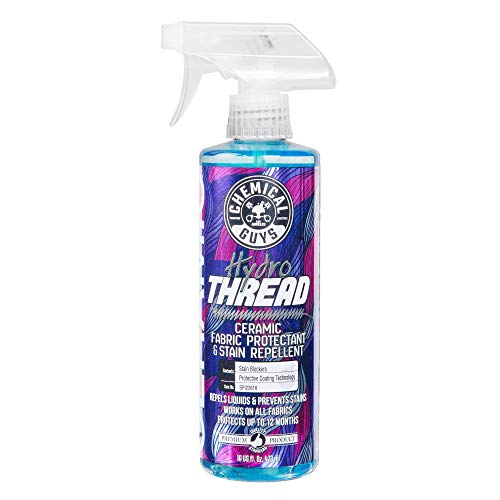
CERAMIC FABRIC COATING SPRAY (SPI22616): Chemical Guys ceramic coating with Si02 ceramic chemistry bonds to upholstery fabric to create a hydrophobic barrier, keeping cloth seats, carpet, and floor mats looking cleaner between full interior details

303 UV Protectant brightens surfaces and keeps them looking newer, longer. This formula provides superior UV protection for any rubber, finished leather, plastic, vinyl, eisenglass, PVC, gel coat & fiberglass surfaces. Not for use on unfinished leathers (such as suede), fabrics (canvas) or floorings.

ULTIMATE PROTECTION: 303 automotive protectant spray shields against UV ray damage to prevent fading and cracking, while also repelling dust, dirt, lint, and staining. Use this as a finishing step in your car cleaning process for the best protection
Complementary Strategies to Reduce In-Car UV Exposure
Because sun control is a team effort, think of window film, shades, and smart parking as the defensive line for your car’s interior. UV-blocking films can cut UV by up to 99% and cost $100–$400 installed. Retractable sunshades give adjustable protection and sell for $15–$50; they fold away when not needed. Choose automotive upholstery with UPF-rated fabrics to stop sun damage and fading. Park in shade or use a car cover; shaded parking reduces interior UV exposure substantially. Leather and vinyl benefit from UV protectant sprays, about $10–$25 per bottle, applied quarterly. Want proof? A tester said, “My dash stopped cracking after one season.” Using a high-density reflective sunshade can further reduce cabin temperatures and UV penetration, especially when paired with other measures like custom-fit shades.
Frequently Asked Questions
What Does Upf +40 Mean?
“An ounce of prevention, a pound of cure.” It means UPF +40 fabric technology blocks about 97.5% of UV exposure, guiding clothing guidelines for skin protection in sun safety, useful for automotive accessories and outdoor activities.
What UPF Rating Is Considered Good?
A UPF rating of 30 or higher is considered good. The observer notes UPF comparison shows strong UV radiation blocking; Sun protection depends on Fabric types, Automotive tinting, Skin safety, and suitability for Outdoor activities.
What Is the Difference Between UPF 50 and 20?
UPF 50 blocks far more UV radiation than UPF 20: it offers superior UPF protection, better health benefits during Sun exposure, suited for outdoor activities and automotive accessories; fabric types determine durability and overall protection.
What Is the Difference Between UPF 50 and 30?
UPF 50 blocks more UV rays than UPF 30, offering superior skin protection and UPF benefits. For outdoor activities, fabric types and protective clothing matter: higher ratings reduce sun exposure, aiding sensitive skin and prolonged use.


