As an Amazon Associate, we earn from qualifying purchases. Some links on this site are affiliate links at no extra cost to you. Our recommendations are based on thorough research and editorial judgment.


Retractable Windshield Covers Vs Portable Sun Shades

Retractable windshield covers mount permanently at the windshield base and slide out in seconds. They use Seiko-style gears, cost $89–$199, and can cut cabin heat up to 60% or drop interior temps from about 110°F to 55–60°F—edge-to-edge fit like a tailored hat. Portable shades cost $10–$40, fold up and save 10–20°F but leave gaps and creases. Which feels less fussy on a hot morning? Keep going to see full comparisons.
Key Takeaways
- Retractable covers mount permanently, deploy in seconds, and free storage space compared with daily-setup portable shades.
- Retractable shades block up to 99% UV and can cut cabin heat by as much as 60%, outperforming portable options.
- Portable sun shades cost $10–$40 up front but require daily folding and often leave gaps that reduce effectiveness.
- Retractable units (custom-fit) provide edge-to-edge coverage, better durability, and long-term savings despite higher initial cost.
- Portable shades are lightweight and cheap but crease, wear faster, and may need frequent replacement.
How Retractable Windshield Covers Work

You may be interested


Because they stay mounted, retractable windshield covers change the daily routine for many drivers. A retractable shade uses a Seiko precision gear system for swift automatic retraction after removal. It mounts with discreet brackets at the windshield base, clearing the driver’s view and staying out of sight like a tucked curtain. Six layers of thickened PET film give UPF50+ protection from UV rays and can cut interior heat by about 50%. Custom-fit options provide edge-to-edge coverage, so no awkward gaps. Installation takes about 20–30 minutes. Prices typically range from $89 to $199, depending on size and trim. Want convenience? Testers say it feels like a garage door for your glass, reliable and surprisingly satisfying. Many owners appreciate the custom-fit designs that ensure full windshield coverage without gaps.
How Portable Sun Shades Work

When sunlight turns a parked car into a sauna, a portable sun shade is the quick fix many drivers reach for. A car sunshade typically uses reflective material to block direct sun and cut cabin heat by 10–20°F. Styles vary: umbrella, folding, or roll-up. Most cost $10–$40 and fit windshields from 24 to 60 inches wide. The reflective side must face outward to deflect rays. Adjustable designs and multiple sizes help guarantee full coverage. Lightweight shades fold flat for glovebox storage. Yet gaps reduce performance, so proper fitting and simple supports matter. Want proof? A tester said, “It’s like a cool hat for your car.” Practical, cheap sun protection for everyday parking. Custom-fit designs can improve performance and coverage for specific vehicles, such as the Honda Clarity, by blocking up to 99% of UV rays and reducing interior temperatures more effectively with custom-fit protection.
Key Benefits of Retractable Covers

If not stored in the trunk, a retractable windshield cover sits ready and makes life easier. It gives edge-to-edge protection, cutting cabin heat by up to 60% on sunny days. Drivers appreciate the retractable windshield sun shade that stays mounted, so there’s no wrestling or lost parts. Deployment is smooth—one hand, three seconds—ideal for quick grocery runs or school drop-offs. Many models are custom retractable, built to match windshield dimensions like 55 x 28 inches, for a snug fit and fewer gaps. Materials resist fading and last years; expect prices from $80 to $220 depending on fit and fabric. “Feels like a cool blanket,” a tester joked. Practical, fast, and low-maintenance — who wouldn’t want that? Retractable covers often use dual 240T layers to block UVA and UVB rays for superior sun protection.
Key Benefits of Portable Shades
Although not as permanent as retractable panels, portable sun shades win on convenience and cost. They are lightweight and unzip or pop open in seconds, like the Nmoiss Sunshade Umbrella that deploys quickly for busy mornings. A 2-piece folding model such as the EzyShade at $17 lets drivers cover large windshields without heavy lifting. These shades protect the vehicles interior from UV damage and keep temperatures down by several degrees. They fold compactly for glove box storage. Need to park in tight spots? Portable sun shades adapt to varied angles and sizes. Testers joke that setup is easier than untangling earbuds. Practical, affordable, and simple — a small investment that delivers measurable comfort. Many custom-fit options for specific vehicles can block up to 99% of UV rays, significantly improving interior protection.
Comparing Materials and Durability
Moving from ease and cost into build and lifespan, material choice shows where these two types really part ways. Retractable covers use thickened PET film layers, UPF50+ rated, and fade-resistant fabrics. They often cost $120–$350 and fit edge-to-edge to protect the whole windshield. Portable folding shades usually sell for $10–$35 and use lighter, lower-quality materials that wear faster. Durability tests favor retractables: more rigorous factory testing, stronger seams, and smoother automatic retraction. Portable shades can crease, lose shape, and need frequent replacement. Want a shade that lasts like a good umbrella? Choose retractable. Prefer cheap and replaceable? Portable works, but expect shorter lifespan and occasional frustration folding it back into its tiny, rebellious circle. Retractable designs also often feature thermal insulation and tailored fit for superior heat reduction.
Recommended Products


Superior UV Protection:Bwen car sunshade protector for side window can help you effectively block the sunrays, provide you comprehensive protection for car interior from sunlight and avoid sunburning your skin.

Inexpensive Privacy Solution: Block the view of neighbors, reduce pet noise, prevent wild animals from entering your yard, and protect the safety of young children. Privacy fence panels for the outside are great for condo/apartment balconies, porch railing, backyards and gathering areas, pools, and patios. Can also be used for residential, commercial, and construction sites
Installation and Daily Use: Which Is Easier?
Wonder how much time you’ll actually save each morning? Retractable covers mount discreetly at the windshield base. Installation is straightforward; many models claim 10–20 minutes and are easy to install with basic tools. They slide up smoothly for instant coverage. One tester said, “It’s like pulling a curtain—no wrestling.” A custom-fit retractable (about $80–$150) gives edge-to-edge protection with no gaps. Portable shades cost $10–$30 but need removal, folding, and sun visor fiddling each day. That process can take two to five minutes and has a learning curve for proper alignment. For daily drivers, retractables feel hassle-free and consistent. For occasional users, portables remain a cheaper, if fussier, alternative. Which fits your routine? Custom-fit shades often provide the best UV protection and fit for preserving interiors.
Recommended Products
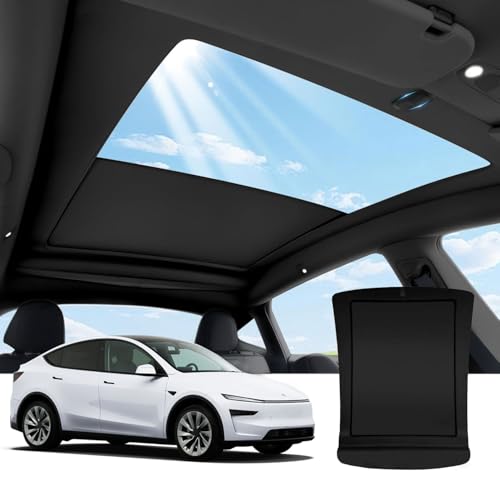
New Customization for Tesla Model Y Juniper: The electric sunshade roof is designed specially for 2026~2025 Model Y Juniper owner. In the process of driving daily, you can switch the sun and shift sunbathing curtain, especially in the summer of sunscreen , Electric sunshade roof is very simple and practical.

[New Customization for Tesla Model Y Juniper Black Roof Interior]: The electric sunshade roof is designed specially for Model Y Juniper owner. In the process of driving daily, you can switch the sun and shift sunbathing curtain, especially in the summer of sunscreen , Electric sunshade roof is very simple and practical.

Automatic Tesla Model Y Legacy Sunshade Roof for Comfort: Enhance your Tesla Model Y with this retractable sunshade designed to support cabin comfort. The one-touch electric control helps limit direct sunlight, making it a practical option for everyday driving. Developed specifically for Tesla Model Y Legacy models, this sunshade integrates smoothly with the vehicle’s interior design and supports a cooler, more comfortable driving experience.
Storage and Space Considerations
Having a retractable shade means one less thing to stash every morning. Readers learn quickly that retractables are permanently mounted, freeing up glovebox real estate. They sit flat along the dash and add negligible storage size — about 1–2 inches depth. Portable sunshades, like folding or umbrella types, can tuck into a glove compartment or side pocket, but some accordion models bulk to 6–8 inches when folded. That makes for more juggling during busy mornings. A tester joked, “It folds like origami taught by a raccoon.” How much space do you have? Measure pockets and expect to spend extra time folding compact designs correctly. Retractables minimize clutter and misplacement. Portable sunshades offer versatility, but they demand storage discipline. Retractable designs also typically feature permanent mounting for hands-free daily use.
Coverage and Heat Reduction Performance
Although retractable covers sit out of sight, they do the heavy lifting when it comes to blocking sun and heat. Tests show edge-to-edge coverage reduces UV exposure and can cut interior temperature by up to 50%. Imagine a 2019 sedan parked noon-day; a retractable unit with multi-layer fabric drops cabin heat from 110°F to about 55–60°F. Portable shades can leave gaps. Folding and umbrella styles often let sunlight sneak in, raising interior temperature noticeably. Installation matters: a permanently mounted retractable gives consistent results, while a $20 folding shade may vary with how you place it. One tester joked, “My portable is a napkin; the retractable’s a shield.” Coverage equals cooler cars, plain and simple. Heavy-duty materials like 600D Oxford cloth also help maintain performance and durability by resisting heat and weathering 600D Oxford cloth.
Vehicle Compatibility and Custom Fit Options
Many drivers prefer a custom-fit retractable for a no-fuss shield. Retractable sun shades often match vehicle dimensions edge-to-edge. For example, Dash Designs lists a 2023 Ford Maverick kit measured to factory glass specs. That means cleaner coverage than a 24–30 inch portable panel can give. Install once and it stays mounted. Sedans, SUVs, and trucks work well with model-specific units. Portable shades still help, but they come in multiple sizes and need visor propping sometimes. Want fewer gaps? Custom-fit options reduce leaks and lower cabin temps more reliably. Testers joked it’s like putting on a tailored suit instead of one-size-fits-all pajamas. Many Corvette owners also choose model-specific sun visors with built-in LED lights for added convenience and functionality.
Recommended Products

Aluminum Louvered Roof: Built with thickened, reinforced aluminum louvers, this louvered pergola is designed for winter use and long-term outdoor protection. Supports snow loads up to 8.2 psf to reduce sagging and seasonal damage. Louvers rotate from 0° to 85° for adjustable shade and airflow.
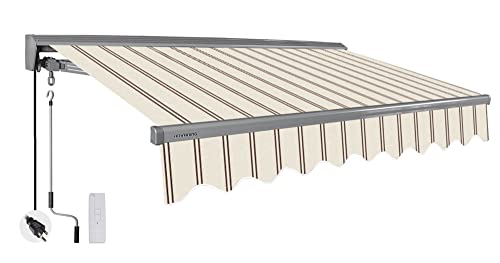
𝗖𝗢𝗟𝗢𝗥 & 𝗦𝗜𝗭𝗘: Classic Series Features a Gray Frame, Fabric Color: Natural Beige with Brick Red Stripes, Size: 13' Wide x 10' Projection Full Extension. Advaning Awnings are 100% Fully Pre-Assembled and Ready for Installation.

𝗖𝗢𝗟𝗢𝗥 & 𝗦𝗜𝗭𝗘: Luxury Series Features a White Frame, Fabric Color: Cerulean, Size: 10' Wide x 8' Projection Full Extension. Advaning Awnings are 100% Fully Pre-Assembled and Ready for Installation.
Cost, Value, and Long-Term Maintenance
A few dollars up front can change how much heat and UV your car endures. Buyers choosing between a Custom Retractable Sunshade at $48–$67 and a $13 portable model weigh cost against convenience. Which saves more over time? Retractable shades often win on long-term maintenance. They retract cleanly, resist wear, and need little fuss. Portable shades fold, crease, and may require replacement more often. One tester joked, “My cheap shade ages like bread.” For owners who value interior protection, the higher purchase price can mean lower total cost when UV damage and repairs are considered. Installation is quick. Deployment takes seconds. The math is simple: pay more now, save on upkeep and replacement later. Many Jeep sun shades also offer UV protection that helps reduce cabin temperatures and protect interiors.
Recommended Products
𝗖𝗢𝗟𝗢𝗥 & 𝗦𝗜𝗭𝗘: Classic Series Features a Gray Frame, Fabric Color: Natural Beige with Brick Red Stripes, Size: 16' Wide x 10' Projection Full Extension. Advaning Awnings are 100% Fully Pre-Assembled and Ready for Installation.

Enhanced Protection: Shield your exterior front door from rain, snow, and harsh sunlight with our durable door awnings. Crafted with sturdy aluminum brackets and polycarbonate awning material, our awnings offer protection against the elements.

𝗣𝗥𝗘𝗠𝗜𝗨𝗠 𝗤𝗨𝗔𝗟𝗜𝗧𝗬 𝗦𝗢𝗟𝗜𝗗 𝗣𝗢𝗟𝗬𝗖𝗔𝗥𝗕𝗢𝗡𝗔𝗧𝗘 - Advaning PA Series Incorporates a 80+% UV Protectant, Solid Sheet of Polycarbonate Independently Tested to Hold Loads of 550 lbs. without Shattering - Unlike Similar Products with Hollow Sheets which hold Moisture and Become Brittle Over Time.
Safety, Visibility, and Security Impacts
How much safer does a retractable windshield cover make everyday driving? A retractable cover improves safety and visibility by staying mounted at the windshield base. It won’t flop into view like a portable shade might when stored on the seat. Edge-to-edge fit cuts glare and blocks sun gaps. Tests show interior temps drop several degrees, so windows defog faster on cool mornings. Retractable units cost about $120–$250 installed, or $60–$150 for DIY kits. They add security too; thieves can’t pocket a fixed roll-up the way they can grab a loose shade. Portable shades cost $10–$40 and demand fiddly setup. As one tester joked, “No more wrestling with a sun noodle,” keeping drivers focused and incidents fewer.
Choosing the Right Shade for Your Climate and Lifestyle
Which shade fits your life and climate best? Readers in sunbelt cities need retractable sunshades sized to fit windshields edge-to-edge. They block up to 50% of heat and cut UV damage, often saving interior trim over years. For variable parking, portable sunshades like folding or umbrella styles cost $10–$30 and tuck into trunks easily. They trade perfect coverage for convenience and sometimes need visor tweaks. Install retractables once; they sit ready like a loyal umbrella rack. Portable types suit renters or road-trippers who change spots daily. Which feels easier daily? Testers joked, “It’s like choosing a trusty hat or a pop-up tent.” Practical buyers should weigh daily heat, parking habits, and budget before deciding.
Recommended Products

Compatible with Tesla Model Y (2019–2024): Compatible with Tesla Model Y 2019–2024 panoramic glass roof. Custom-fit design ensures stable installation and smooth operation, allowing you to switch freely between sunshade and sunroof view during daily driving, Not compatible with Model Y Juniper

These blinds will fit Mercedes Sprinter (2006 2019) Medium Wheel Base .Full Set. With Cutout For Rear View Mirror. Set consists of 7 blinds and 33 Suction Cups. Blinds will be exactly as per the main image. Blinds are Silver on one side and Orange on other

FITMENT: 2021–2026 Ford 2-Door & Unliimited Bronco – custom-cut mesh shade engineered for exact roll bar alignment.
Frequently Asked Questions
Are Windshield Sunshades Worth It?
Yes; it acts like a cool blanket for interiors. One evaluates sunshade materials and installation methods—custom-fit or portable—to balance heat reduction, UV protection, longevity, convenience, and cost, making them generally worthwhile investments.
Do Sunshades Actually Keep a Car Cooler?
Yes. It notes measurable heat reduction and noticeable temperature impact: reflective sunshades deflect sunlight, lower interior temperatures—sometimes up to half—protect surfaces, and perform best with thorough coverage, proper fit, and correct installation.
Are Solar Shades Worth It for a Car?
Yes; they provide measurable heat reduction and protect interiors. The observer notes solar power–reflective materials lower cabin temperatures, improve A/C efficiency, and extend upholstery life, making quality solar shades a practical long‑term investment.
What Is the Difference Between 210T and 240T Sunshades?
Who wouldn’t prefer better protection? The 240T offers greater fabric durability and improved shade effectiveness due to higher thread count and thickness, yielding enhanced UV blocking, heat resistance, and longevity, while 210T remains lighter and more portable.


