As an Amazon Associate, we earn from qualifying purchases. Some links on this site are affiliate links at no extra cost to you. Our recommendations are based on thorough research and editorial judgment.


Tree Shade Parking Vs Sun Shade Protection

Parking under a tree cools a car by about 3°C to 25°C and feels like shade for free. But sap, bird droppings, and falling twigs can quickly dull paint. A metal or fabric sun shade (from about $150 for a basic canopy to $1,200+ for a heavy-duty carport) blocks UV and debris reliably. Wax every 3–6 months, or add a ceramic coat for longer protection. Want a clear pick for your climate and budget? Learn more below.
Key Takeaways
- Tree shade cools a car effectively but often deposits sap, bird droppings, and leaves that can damage paint.
- Metal or fabric sun shades block UV, reduce interior heat, and prevent organic fallout without sap risks.
- Parking under trees can lower ambient temperature by ~3°C and cabin temps up to 25°C when shaded.
- Regular maintenance—washing every two weeks and waxing every 3–6 months—reduces sap and droppings damage.
- Use UV-resistant covers or ceramic coatings for long-term protection when canopy options aren’t available.
Pros and Cons of Parking Under Trees
You may be interested


Why choose a spot under the trees? Readers see clear cooling: shaded parking can lower cabin temperatures by up to 25°C and outdoor temps by about 3°C versus full sun. It feels like instant relief on hot days. But tree sap and bird droppings are real nuisances. A single sap spot can etch a paint job if left 48–72 hours. Car covers ($30–$150) help, but they scratch if used improperly. Wax and sealants applied every 3–6 months protect paint and reduce sun damage. Leaf litter in fall increases washing chores. One tester joked, “It’s nature’s confetti.” Practical tip: wash within 24–48 hours of spotting sap, buff gently, and budget $50–$100 yearly for maintenance. Custom-fit windshield covers 600D polyester provide durable protection and can reduce cleaning and maintenance needs.
Recommended Products

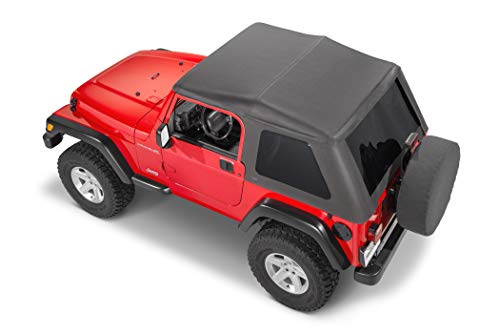
Up-graded 3 layer 28oz true sail cloth vinyl fabric gives your Jeep that true original equipment convertible top fabric look and ultimate protection from the elements

FAST MAGNETIC INSTALLATION FROM THE GROUND: Magne Shade uses a patented magnetic mounting system that allows quick installation and removal from the ground after the initial magnet setup. No ladders, suction cups, snaps, drilling, or permanent modifications required. Telescoping installation rod included.
Advantages of Sun Shade Structures

Although it sounds simple, a metal sun shade can be the practical upgrade many drivers need. Sun shade structures shield cars from UV rays and help protect your car without drama. A typical 10×20-foot canopy covers two standard sedans. It keeps interiors cooler by 15–25°F, so you use less AC and save fuel. No more sap, bird droppings, or falling sticks. Fixed frames need little upkeep — a $900–$2,000 installed unit can last decades. Canopies are customizable in height and color to suit driveways and lots. Want proof? “My hatch feels like a garage,” a tester quips. Who wouldn’t like fewer stains and simpler care for the car’s paint and finish? Newer models of sun shades offer custom-fit protection tailored to specific vehicles, improving UV blocking and interior cooling.
Recommended Products

3 Mode Windows: Removable screens and PC panels let you choose airflow, protection, or fully open views.

THOUGHTFUL ENGINEERING THAT OFFERS YEAR ROUND PROTECTION FOR LARGE VEHICALS - Virtually unbreakable corrugated solar gray polycarbonate allows for 10% light transmission. Panels are high impact and shatter resistant while providing 100% UV protection. UV-protected panels will not discolor or brittle with time.

【 Free WARRANTY】 Our package comes with a comprehensive installation guide. We proudly offer a 1-year warranty along with full customer service support. Rest assured, we’ve got you covered for any lost or damaged parts. Don’t hesitate to reach out to us with any concerns!
How Sun and Shade Affect Car Paint and Interior
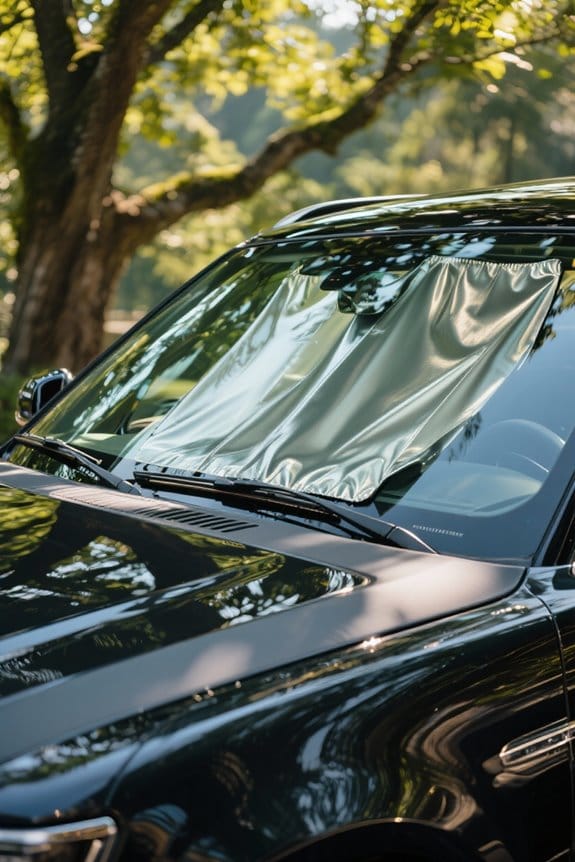
Frequently, parking choices prove more expensive than drivers expect. Sun exposure fades car paint via UV-driven oxidation. A typical clear coat can lose sheen over several years without protection. Cabin temps can rise dramatically when one park in the sun; shaded cars run about 25°C (45°F) cooler on average, sparing vinyl and dashboards. Tree shade cuts heat but adds sap, bird droppings, and debris that etch finishes immediately. Regular waxing every three months—about $20–$40 per kit—adds a sacrificial barrier and eases cleaning. Covered parking avoids both heat and organic fallout but costs more. Who wants a scalding steering wheel or a speckled hood? Practical upkeep and timely waxing preserve value, paint, and interiors over the long term. Using a proper windshield sunshade can also lower cabin temperatures significantly and protect interiors from UV damage, especially when it offers a custom fit for your vehicle.
Recommended Products

RV sun shade for windshield: ShadePro's ShadeMaster windshield covers are made with premium heavy duty solar screen. The mesh blocks up to 94% of harmful UV rays and reduces interior heat gain by up to 25%.

IMPORTANT INFORMATION The second image is a template of what you will receive. If unsure or if it looks wrong please initially contact us.

These blind will fit Ford Transit Custom (2012-Date) Set consists of 3 Blinds. Blinds will be exactly as second image. Blinds are Silver on one side and Orange on the other. Blinds will fit windows with and without rear view mirrors due to infil panel
Common Tree-Related Hazards and How to Mitigate Them
Tree shade can feel like a free air conditioner, but it brings its own costs. Parked in a busy parking lot, cars collect sap, bird droppings, leaves, and needles. Sap bonds to paint quickly; one tester called it “tree glue,” and it can etch in hours. Bird mess is acidic and will dull finishes if not wiped within a day. Leaves trap moisture; rust spots can follow in weeks. Regular washing every two weeks and quick-detail spray at $8–$15 per bottle help. A $30 car cover helps when parking long-term. Ask: want convenience or constant cleanup? Practical steps are simple. Clean within 24 hours, use a cover for long stays, and inspect paint monthly for early repairs. Using a custom-fit sun shade can further protect interiors and reduce heat buildup.
Protective Options: Covers, Coatings, and Regular Maintenance
When parking under a canopy of leaves or in full sun, simple prevention beats frantic polish. Consider car covers made from UV-resistant polyester or vinyl; they cost $30–$150 and block sun in open lots while catching sap and twigs. Ceramic coatings, priced $200–$800 professionally, create a hard layer that outlasts wax. Paint protection film applied by pros runs $500+ and shields high-impact zones. Regular maintenance matters: a weekly car wash with car-specific soap, plus waxing every three months, preserves clear coat. Quick detailing spray removes bird droppings fast—think seconds, not hours. Who wants faded paint? Tester quote: “Feels like armor.” Practical, clear steps and modest spending keep a vehicle looking sharp and protected. Using sun visors and shades designed for specific models like the BMW 5 Series can further reduce interior heat and block UV rays for improved protection model-specific fit.
Recommended Products

THOUGHTFUL ENGINEERING THAT OFFERS YEAR ROUND PROTECTION FOR LARGE VEHICALS - Virtually unbreakable solid solar gray polycarbonate allows for 10% light transmission. Panels are high impact and shatter resistant while providing 100% UV protection. UV-protected panels will not discolor or brittle with time.

Shelter Size: 20' (L) x 40' (W) x 12'10" (H) | End Wall Size: 40' (W) x 21-1/4' (H)

EXTRA THICK & STRONG: The high quality of this protective tarp is amazing: it has a 16 mil thickness, 8oz per square yard, and a 16 x 16 weave count. This has the strength and durability you need.
Choosing the Right Parking Strategy for Your Climate and Lifestyle
Because climate and lifestyle shape the choice more than habit, drivers should weigh shade against debris and heat against paint care. Choosing between Tree Shade and sun exposure depends on where you live and how you use the car. In hot cities, shaded spots keep cabins about 1°C cooler. Nice, right? But sap and bird droppings mean extra vehicle maintenance — expect quarterly detailing at $75–$150. Alternatively, a breathable car cover costs $40–$120 and blocks UV without tree mess. For mild climates, regular waxing every 3–6 months at $20 per DIY kit preserves paint. Which parking strategies fit you? Commuters may favor covered lots. Weekend drivers might tolerate sun with protection. As one tester quipped, “Shade is cozy, until the trees wage a sticky war.” The right sun protection, such as a high-quality windshield shade that blocks 99% of UV rays, can significantly reduce interior damage and heat buildup.
Recommended Products

Perfect Fit for Sprinter Vans: Full set covers for front windshield, front doors, sliding, and rear door windows. Compatible with Mercedes-Benz Sprinter (VS30) models (2019–Present).


Panoramic Roof Sunshade: Designed specifically for the Volvo C40, this sunshade helps block sunlight and heat from entering through the panoramic roof.
Frequently Asked Questions
Is It Better to Park in the Sun or Under a Tree?
They should prefer sun or shade based on priorities: Tree benefits include cooling and UV reduction, while Leaf debris and sap risk paint; Weather impact and Temperature variations matter, so maintenance tolerance dictates the best parking choice.
Should You Avoid Parking Under Trees?
Yes; one should generally avoid parking under trees. He faces tree debris, pest issues, moisture retention, and sap damage that harm paint, attract pests, and increase cleaning frequency, outweighing limited shade and UV reduction benefits.
Does Parking in the Shade Help?
Yes — shaded parking offers a 25°C temperature reduction visually illustrating shade benefits; it aids interior protection, reduces UV exposure, and can improve car longevity, though maintenance counters tree-related risks and preserves finishes.
Is It Better to Park in the Shade?
Yes; one benefits from shade: temperature regulation reduces cabin heat, paint protection limits UV fading, interior preservation prevents cracking, and long term benefits include reduced wear—though occasional sap or droppings require proactive cleaning and maintenance.


