As an Amazon Associate, we earn from qualifying purchases. Some links on this site are affiliate links at no extra cost to you. Our recommendations are based on thorough research and editorial judgment.


Remote Start Air Conditioning Vs Sun Shade Protection

Remote start air conditioning cools a car fast — usually 3–10 minutes — and costs about $150–$800 installed. A reflective windshield sun shade is cheap, $15–$40, and cuts interior heat by 15–25°F while parked. One feels like instant relief; the other acts like a sunscreen for the dash. Which is better depends on budget and timing. Want instant cool when the kids climb in, or a low-cost shield for afternoon lots? More useful tips follow.
Key Takeaways
- Remote start AC cools the cabin quickly (usually within 3–10 minutes) for immediate comfort before entry.
- Sun shades block and reflect sunlight, preventing interior temperatures from rising 15–25°F while parked.
- Remote AC requires power and costs more (aftermarket $150–$400; factory $300–$800) than a sun shade ($15–$40).
- Sun shades reduce heat buildup and protect interiors long-term, but don’t lower existing high temperatures quickly.
- Best approach: use a sun shade while parked and remote AC to pre-cool for fastest, most comfortable entry.
Understanding How Cars Heat Up in Sunlight
You may be interested

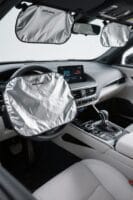

Because sunlight acts like a slow oven, a parked car can heat up fast and turn pleasant days into hazards. Readers learn that interior heat can rise 20°F above outside in an hour. Dark interiors may spike 30°F, and dashboards can reach 180°F — hot enough to sear skin. Who wants that? A $15 reflective sun shade can cut the temperature inside by as much as 25°F in tests. Parking in sun shade works too; under a tree or covered lot the car stays noticeably cooler. Practical tip: use a shade and crack a window slightly. Tester Claire joked, “It felt like opening a pizza oven.” Simple steps prevent danger to kids and pets and keep your ride more comfortable. Many Chevrolet Equinox owners choose custom-fit shades designed specifically for their model to maximize coverage and cooling.
Immediate Comfort: How Remote Start Air Conditioning Works

A few seconds on a key fob or phone app can make an oven-hot car feel like a cool lemonade stand. Remote start air conditioning lets a driver pre-cool the cabin temperature from afar. It often drops interior temps by several degrees in ten minutes, turning blistering seats into something tolerable. Set preferred settings — fan speed, temp, and seat vents — and the car awaits. How much does this convenience cost? Aftermarket kits run $150–$400; factory systems are often part of $300–$800 packages. One tester joked, “It’s like sending a cold text to your car.” For EVs, pre-cooling can save battery during initial driving. Simple, practical, and immediately comforting. Who wouldn’t want that? It can also reduce stress on interior materials over time by lowering cabin temperatures with significant heat reduction.
Recommended Products

【Intelligent One-Touch Start】: The automotive one-touch start system requires only a single press and the engine responds instantly, eliminating the need to insert the key and turn it, saving time and effort and making every trip smoother and faster.
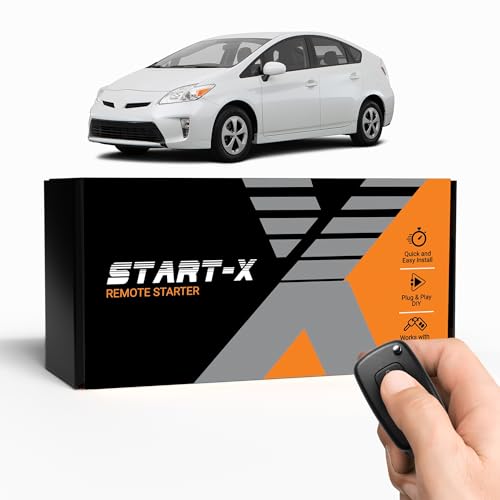
𝗗𝗜𝗬 𝗿𝗲𝗺𝗼𝘁𝗲 𝘀𝘁𝗮𝗿𝘁 𝗸𝗶𝘁: Add remote start functionality to your vehicle for a fraction of the cost. Enjoy a comfortable driving experience from the start by pre-heating and defrosting your windshield in the winter or cooling down your vehicle before entering in the summer.
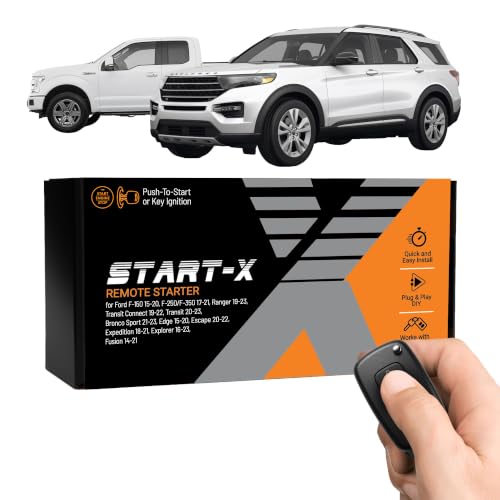
𝗩𝗲𝗵𝗶𝗰𝗹𝗲 𝗰𝗼𝗺𝗽𝗮𝘁𝗶𝗯𝗶𝗹𝗶𝘁𝘆: 2015-2020 F-150, 2017-2021 F-250, 2019-2023 Ranger, 2020-2022 Transit, 2019-2022 Transit Connect, 2021-2023 Bronco Sport, 2015-2020 Edge, 2020-2022 Escape, 2018-2021 Expedition, 2016-2023 Explorer, and 2014-2021 Fusion models with either push-to-start or key ignition.
How Windshield Sun Shades Block Heat and UV

Remote start might cool a car before you climb in, but sun shades do a lot of the heavy lifting while the vehicle sits. Windshield sun shades can lower interior temps by 15–20°F. They reflect solar radiation and block harmful UV rays, reducing dashboard fading and cracking. A snug, reflective shade works best. Think of it as a silver umbrella for your dash. Prices range from $15 for basic foam to $40 for fitted, reflective models that claim better fit and seal. Testers say a good shade feels like opening a cooler, not an oven. Want cabin overheat protection that saves AC time and long-term repair costs? A simple shade is a low-cost, proven first line of defense. Many drivers prefer custom-fit covers for the best seal and coverage.
Recommended Products

Enhanced Sun Protection: Shield your vehicle from harmful UV rays with EcoNour windshield sunshade and car window shades. Made from premium 240T polyester, this car sun shade windshield acts as a sun shade protector, blocking heat to keep your dashboard, seats, and interior cooler. A reliable sun visor for car windshield and sun cover for car windshield for everyday driving.

Maximum UV & Heat Blocking Protection – Upgrade your summer driving with this powerful car windshield sun shade designed to reflect harsh sunlight and harmful UV rays. The premium reflective sun shade for car windshield acts as a strong windshield protection curtain, that helps prevent dashboard fading, steering wheel overheating, and interior damage while keeping your vehicle cooler.

Material Upgrade: The new windshield sunshade for 2026 provides more sun protection and shade. We abandoned the old-fashioned titanium silver coating design and chose 300T Oxford cloth with higher density as the raw material for the sunshade. It can effectively block sunlight and heat, allowing you to enjoy the coolness and tranquility inside the car in the scorching summer.
Comparing Cooling Speed: Remote AC vs. Sun Shades
How fast can a car go from oven-hot to bearable? Remote air conditioning often does it in minutes. Tests show remote start can drop cabin temperature dramatically in about 3–5 minutes. Sun shades work differently. They block sun and slow heat gain, cutting interior temps by roughly 15–20°F when used properly. But they don’t cool; they only prevent extremes. Picture a parked oven versus a shaded loaf. Remote AC is like opening the oven door and turning on a fan. Sun shades are like removing the oven’s lid before it overheats. A basic remote system runs about $150–$300 installed. A good sun shade costs $15–$40. Which matters most? For quick comfort, remote air conditioning wins. Sun shades still save surfaces and reduce peak heat. Custom-fit shades also provide 99% SPF protection against UV damage, helping preserve interiors.
Recommended Products

2X Heat Blocking with Double-Layer Design: Unlike standard single-layer sunshades, Magnelex uses dual 240T reflective layers for superior heat rejection and UV protection. Stay cooler, protect your interior, and feel the difference every time you enter your car.

Superior Heat & UV Protection: Keep your vehicle cool with the EcoNour windshield sunshade. This premium car sun shade windshield blocks harmful UV rays and heat, acting as a reliable sun shade protector and sun blocker for car windshield to help protect your dashboard, seats, and interior from sun damage.

2X Heat Blocking with Double-Layer Design: Unlike standard single-layer sunshades, Magnelex uses dual 240T reflective layers for superior heat rejection and UV protection. Stay cooler, protect your interior, and feel the difference every time you enter your car.
Parking Strategies That Complement Both Methods
Having seen how quickly remote start cools and how sun shades cut peak heat, parking choices make the whole system work better. Readers are advised to favor parking in shaded areas—under trees or in garages can shave interior temps by about 25°F. North-facing spots limit sun all day. Morning? Try east-facing; afternoon, west-facing. A $25 multi-layer windshield shade plus smart placement reduces heat buildup and lowers AC strain. Install the windshield shade before leaving; that small five-minute habit pays off. “Feels like opening an oven door less,” a tester joked. Want savings? Cooler starts mean less idling and better fuel economy. Practical, simple, and proven: combine shade and smart parking for faster, gentler cooling. High-quality shades made from 240T polyester are more durable and maintain reflectivity longer.
Protecting Interior Surfaces From UV and Heat Damage
Because sun and heat are relentless enemies of interiors, simple shields pay big dividends. Sun shade protection lowers cabin temperatures by 15–20°F. That keeps dashboards from fading and seats from cracking. Dark interiors can climb 30°F in an hour, so a $20 folding sunshade is a cheap insurance policy. Gauges and steering wheels can hit 160°F without help — ouch. Combine sunshades with reflective 35% window tint for extra UV block. Think of it as sunscreen for your car. Want proof? A tester joked, “My dash stopped sizzling.” The air inside stays noticeably cooler on hot afternoons. Practical, inexpensive, and easy to stow. Who wouldn’t prefer preserved leather and electronics to a baked interior? High-quality sun shades can block up to 99% of UV rays, offering substantial protection for interiors and materials like leather and plastics 99% UV blockage.
Energy and Battery Considerations for Remote Cooling
Typically, remote start air conditioning sips power for short bursts and barely dents battery life. Studies and owner tests show a 5–10 minute pre-cool often uses under 1–2% charge on a 12V battery. Remote start air conditioning and climate-control preconditioning are efficient. Cabin overheat protection kicks in only above about 20% charge, protecting electronics and range. Regular AC maintenance — a $80–$150 service — keeps compressors working at peak efficiency. Combine system use with sun protection like a $20 reflective sunshade and demand drops noticeably. Who wants a 140°F dashboard? Not many. Practical trade-offs are clear. Use brief remote cooling, monitor voltage, and balance with passive sun protection to keep energy costs and stress low. Custom-fit sunshades also provide superior protection and reduce interior temperatures compared with generic shades.
Best Practices for Using Sun Shades Effectively
Remote cooling with a remote start is great for short drives, but a $20 reflective sunshade does a lot of the heavy lifting before electronics ever wake. Readers learn quick wins: fit the sun shade snugly against the windshield, reflective side out, and expect about 15–20°F lower cabin temps versus none. Add side or rear supplemental shades for more coverage. Consider a UV-blocking tint too; it’s an extra layer of protection and comfort. Who wants dashboard cracks? Not you. Typical foldable shades cost $10–30 and pop up in seconds. Tester Dan joked, “It’s like sunscreen for your car.” Simple routine. Insert the shade whenever parking in sun. Small habit, big payoff for interior value and daily comfort. New models often include UV400 protection to block most harmful rays and extend interior life.
Recommended Products

Protects Your Car Interiors: EcoNour’s car window shades act as a reliable window sun blocker, protecting your dashboard, seats, and other interior accessories from harmful UV rays. This durable heat shield automotive ensures long-lasting protection and is super convenient to use.

Shield-X Ultra Reflective Technology: EzyShade plus Shield-X has revolutionized sun shades, consistently leaving car interiors cooler and more comfortable than comparable reflective sun shades (up to 15% cooler).

Protects Your Truck Interiors: EcoNour’s windshield cover for truck acts as a powerful sun blocker, shielding your truck’s dashboard, seats, and accessories from harmful UV rays. This durable windshield covers for trucks ensures long-lasting protection while keeping your vehicle cool and comfortable.
Combining Venting, Remote Start, and Shades for Faster Cooling
When parked under a noon sun, combining venting, remote start, and a $15 reflective sunshade can cut cabin heat fast and feel like opening a hot oven and letting cool air rush in. The technique is simple. Use venting to crack windows 1/2 inch. Then activate remote start for 5–10 minutes. Testers note a 15–20°F drop with sunshades in place, and venting speeds the exchange of superheated air. Want results faster? Try 10 minutes of pre-cooling and check cabin temps with a $20 thermometer. It’s practical. It saves AC work and can extend EV range slightly. Readers laugh at the “oven” image, but practical gains are real and measurable. Who wouldn’t want that quick relief? Many custom-fit sunshades can block up to 99% of harmful UV rays, protecting interiors and enhancing cooling performance.
Equipment Recommendations and What to Look For
A good sunshade can feel like an umbrella for your car’s soul. Shoppers should pick 210T fabric or better. That fabric blocks UV and heat and fits snugly in the windshield. Metallic finishes often cut interior temps by 15–20°F. Multi-layer designs add insulation and protect dashboards.
For remote start, check the air conditioning system’s pre-cool capability. Does it run with low battery drain? Look for models and dealer options that state run-time and power use. Want extras? Portable battery fans cost $15–$60 and misting bottles run $10–$25. They boost cooling and feel a bit heroic on hot days.
Tester quote: “Simple shade plus a smart start beats a scorched seat.” Who wouldn’t want that?
Choose shades with UV blocking ratings up to 99% for the best protection and heat reduction.
Recommended Products

Ultimate Sun Protection with Accordion Design: EcoNour Accordion Car Windshield Sun Shade is engineered with a reflective aluminum foil surface that acts as a powerful sun...
Seasonal Benefits: Summer Cooling and Winter Protection
Think of sun shades and pre-cool systems as seasonal armor for your car. In summer months a quality sun shade can lower interior heat by 15–20°F. That means the car cools faster and the A/C runs less. One tester noted a $20 collapsible shade felt like instant relief. Remote start air conditioning can pre-cool a cabin to a comfortable 70°F before entry. It costs $150–$400 installed, depending on features. In winter a sun shade also blocks frost on the windshield, saving scraping time. Both approaches reduce heavy HVAC use and help preserve battery efficiency in extremes. Want comfort and longevity? Use shade for UV protection and remote start for immediate cooling. Who doesn’t like a calm, ready car?
Practical Tips for Rideshare Drivers and Families
Although sun shades and remote start systems serve similar goals, rideshare drivers and families get different wins from each. Drivers learn that a multi-layer windshield sunshade can cut interior heat by up to 40°F. That’s a fast, visible comfort boost for passengers. Families relying on remote start air conditioning see interiors drop 15–20°F before boarding —like stepping into a cool cave. Use rear and side sunshades to block UV for kids and pets. Install breathable car seat covers to keep little ones from sticking to hot vinyl. Drivers can also vent cars via apps, cracking windows slightly between fares. What’s sensible? A $20 shade, a $200 remote start module, and good habits. Tester: “Small changes, big relief.”
Frequently Asked Questions
Do Sunshades Help Keep a Car Cool?
Yes. Observation shows sunshades greatly aid cooling: sun shade effectiveness stems from blocking solar radiation, altering heat absorption mechanisms, and providing UV protection benefits that slow interior temperature rise and protect surfaces from intense heat.
Why Is My Car Still Hot With Sunshade?
Because sun shade effectiveness is limited, the car remains hot due to heat retention factors like ambient temperature, direct sunlight duration, incomplete window seals, and interior materials influence — dashboards and seats absorb and re‑radiate substantial heat.
How Much Does a Sun Shade Reduce Heat?
Like a cool blanket, a sun shade typically reduces interior heat by about 15–20°F, depending on sun shade materials, lowering heat absorption and offering UV protection that slows surface temperature spikes and protects upholstery.
How Much Cooler Is a Car With a Sun Shade?
A car with a sun shade is about 5–20°F cooler. Observers note sun shade effectiveness varies; tailored fits perform best. Combining sun shades with other summer car tips and heat reduction methods improves interior comfort overall.


