As an Amazon Associate, we earn from qualifying purchases. Some links on this site are affiliate links at no extra cost to you. Our recommendations are based on thorough research and editorial judgment.


Cardboard Shields Vs Professional Sun Shades: the Difference

Cardboard shields cost $5–$15 and give quick, temporary shade. They block about 80–90% UV and cut cabin heat 15–25°F, but they warp in 1–2 seasons. Professional sun shades run $20–$80, use multi-layer reflective material, block up to 99% UV and can lower temperatures 30–50°F—think of a cool blanket versus a paper towel. Installation is neater and fit is tighter. Want practical tips and specific model picks next?
Key Takeaways
- Professional sun shades block up to 99% of UV and cut interior temperatures by 30–50°F, while cardboard blocks 80–90% and cuts 15–25°F.
- Cardboard shades cost $5–$15 and typically last 1–2 seasons; professional shades cost $20–$80 and last multiple seasons.
- Multi-layer professional shades create a true thermal barrier and resist warping; cardboard warps and loses effectiveness quickly.
- Custom-fit professional designs seal gaps for better coverage; universal cardboard or folding styles can sag and leave exposed areas.
- Professional shades are more user-friendly, durable, and maintain resale value versus delicate, frequently replaced cardboard shields.
Why Windshield Protection Matters
You may be interested


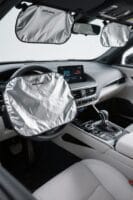
Consider a sunshade like a small insurance policy for your car. Windshield sun shades block UV rays that cause 99% of interior damage. Leather and vinyl fade and crack. Temperatures can hit 120°F inside an hour. A good car sunshades set can reduce heat by 30–50°F. That’s real heat protection and less AC use. Custom-fit sun models (often $25–$80) seal edges better. Who wants a dashboard that smells like a chemistry lab? VOCs rise when plastics bake. Protecting your investment means better resale and fewer repairs. Try one for a week and note temperature reduction. “Feels like walking into a fridge,” one tester joked. Practical, simple, and affordable—why risk your interior? High-quality shades can block up to 99% of harmful UV rays, significantly reducing interior heat.
Materials and Construction Compared
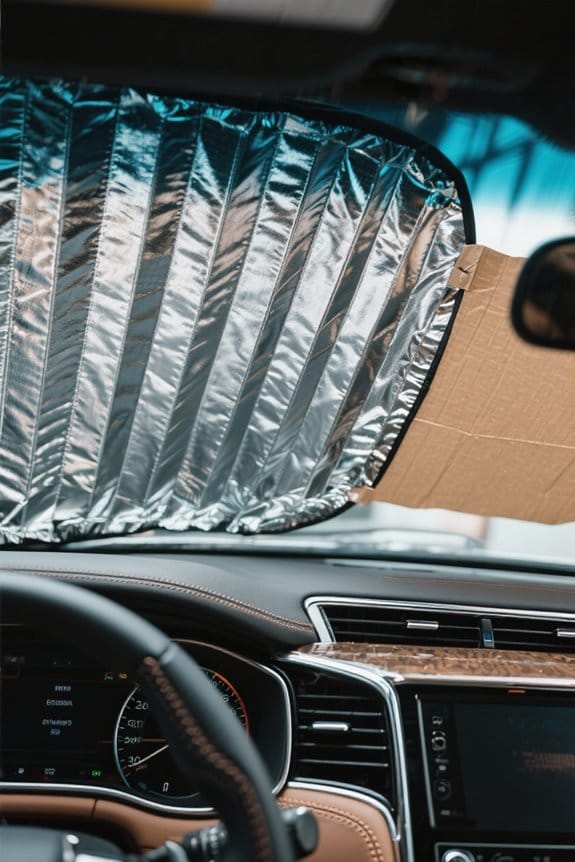
Although both block sunlight, construction makes all the difference. Cardboard sun shades are simple, rigid paperboard panels. They cost about $5–$15 and last one to two seasons. They absorb heat and offer limited UV protection. Professional sun shades, $20–$80, use multi-layer materials like metalized polyester and bubble-foil or foam cores. That creates a true thermal barrier and superior reflective properties. Which would you pick for long trips? Durability favors pros; they resist cracking and fading under constant sun. Many models are cut to fit perfectly, reducing gaps and improving heat reduction. “Feels like a mini fortress,” a tester joked. Practicality wins: cheap cardboard works short-term, but layered professional designs deliver measurable longevity and protection. Many professional sun shades also block 99% of UV rays for superior interior protection.
Heat Reduction and UV Blocking Performance

Sun protection matters more than it looks. A Car Windshield Sun Shade from professional shades blocks up to 99% of UV light. That keeps dashboards cooler and upholstery longer-lived. Professional shades often use reflective film and can cut interior temperatures by 30–50°F. Cardboard shields typically block 80–90% of UV and lower temps by only 15–25°F. So which seems smarter: a $20 cardboard panel or a $40–$80 reflective model that maintains performance over seasons? Testers joke that cardboard is like sunscreen that washes off. Practical users notice real comfort differences on 90°F days. The data are clear. Professional shades provide superior heat reduction, UV blocking, and long-term protection, while cardboard shields fade and lose effectiveness quickly. Many Nissan Sentra owners prefer professional, custom-fit options for maximized UV protection and better long-term durability.
Fit, Installation, and Everyday Use
Fit matters more than price when parking under a noon sun. Readers learn that universal cardboard often sags and leaves gaps, while professional sun shades are custom-cut to fit models within 0.5–1 inch for full coverage. Installation can be quick—both types pop in under five minutes—but cardboard needs awkward folding around mirrors. Professional options use suction cups or clips for secure placement and tidy compact storage. Everyday use shows stark differences: cardboard may feel flimsy after weeks, whereas a $25–$60 reflective materials shade keeps interior temps 10–20°F lower and resists warping. Want simple efficiency? Choose fit and heat protection. Tester quote: “Feels like a cool blanket, not a pizza box.” Professional, double-layer sun shades also block up to 99% of UV rays, protecting dashboards and seats from fading and damage with high UV protection.
Durability, Maintenance, and Longevity
Durability matters when a shade sits in a scorching parking lot day after day. Cardboard sun shades often show wear and tear within one to two seasons. They crease, delaminate, and can warp after a few hot weeks. Handling is delicate. You treat them like paper plates at a picnic. Custom-fit professional sun shades, especially those with 6-layer heat shield construction, resist warping and last many seasons longer.
Cost, Value, and Which Option to Choose
After seeing how quickly a cardboard shield can crumple in a parking-lot oven, the conversation naturally moves to money and value. Cardboard shields cost about $10–$20 and feel like a temporary bandage. They’re light, cheap, and easy to stash. Professional sun shades run $30 to over $100 and use reflective fabrics that block ~99% of UV protection, improving durability and effectiveness. Which should you pick? If you park briefly and care little for resale, cardboard saves cash now. If you want lower interior temperatures—often 30–50°F cooler—and longer life, a professional shade is a smart long-term investment. One tester joked, “Cardboard is hopeful; pro shades are practical.” Consider budget, usage, and desired protection. Professional shades with dual-layer construction provide enhanced heat protection and durability.
Frequently Asked Questions
What Is the Best Material for a Sunshade?
Reflective metalized polyester fabric is the best material for a sunshade, offering reflective surfaces, UV protection, superior durability test results, ease installation, customization options, favorable weight comparison, strong portability factor and overall cost effectiveness.
Do Sun Shields Actually Work?
Like a shaded orchard saving fruit, he affirms: sun shields work — effectiveness comparison shows superior heat reduction and UV protection levels; insulation properties, material durability, ease of installation, cost effectiveness, longevity factors, and consumer satisfaction all favor quality options.
What Material Is Best for Car Sun Shade?
Metalized reflective materials are best for car sun shade, offering top UV protection, superior insulation properties, durability factors, cost effectiveness, ease of storage, customization options, portability concerns minimized, and better environmental impact compared to alternatives.
Is an Expensive Sunshade Worth It?
A used-car dealer’s test showed a premium shade cut cabin heat 40°F, so yes: it often is worth it. Highlights include cost effectiveness, longevity comparison, design aesthetics, ease of use, portability factor, UV protection, customer reviews, brand reputation, installation simplicity.


