As an Amazon Associate, we earn from qualifying purchases. Some links on this site are affiliate links at no extra cost to you. Our recommendations are based on thorough research and editorial judgment.


Multi-Piece Sun Shade Systems Vs Single Windshield Cover

Multi-piece sun shade kits (4–6 panels, $25–$60) beat single windshield covers ($10–$25) for real-world cooling. They seal edges, block UV up to 99%, and can drop cabin temps 15%–30% or 30–40°F in hot spots. Installation takes 5–10 minutes per panel, and clips or suction cups help. Think of a patchwork armor versus a loose blanket — which would you trust on a 120°F day? More practical tips follow.
Key Takeaways
- Multi-piece systems seal edges better than single covers, reducing light leakage and lowering cabin heat more effectively.
- Multi-piece kits allow window-by-window coverage, targeting hotspots like dashboards, seats, and side windows.
- Single windshield covers are cheaper and quicker to install but often sag and provide less overall temperature reduction.
- Properly fitted multi-piece systems can cut interior temperatures by 30–40°F, versus typical 8%–25% reductions for basic covers.
- Choose multi-piece for irregular windows or max cooling; pick single covers for low cost and fast, simple use.
The Expert: Do Sun Shades Actually Work?
You may be interested
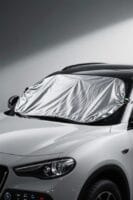


Curious whether that shiny flap in your trunk actually helps? Experts say yes. Sun shades reflect sunlight and cut heat gain. Tests on a 1984 Mazda RX-7 and a 2011 Hyundai Accent showed interiors up to 10°F cooler after 30 minutes. Broader studies report temperature reductions of about 8%–25% with regular use. A reflective surface does most of the work; some shades add foam for extra insulation. Custom-fit shades reduce light leakage and perform better than one-size-fits-all options. Want numbers? A decent custom shade runs roughly $20–$40, while basic covers can be under $15. One tester joked, “Feels like a slow-moving cloud.” Practical, affordable, and worth keeping in the trunk. Many Acura MDX owners prefer Custom-fit shades for maximum coverage and heat reduction.
How Multi-Piece Systems Differ From Single Covers

A multi-piece sun shade system looks more like a tailored outfit than a one-size blanket. It offers window-by-window coverage for better sun protection, with panels sized to fit doors, rear glass, and the windshield sun area. A typical kit runs $25–$70 and includes 4–6 shades, each about 18–30 inches wide. Installation takes 5–10 minutes per panel. By contrast, a single windshield cover installs in 30 seconds but covers only one plane. Which feels smarter on hot days? Testers say multi-piece kits let them block specific hotspots — dash, seats, or rear — like aiming a sun shield where it hurts most. It’s flexible for odd windows and seasonal swaps, and it reduces blind spots compared to one big cover. Many drivers prefer multi-piece kits for their window-by-window versatility and targeted protection.
Recommended Products

Shield-X Ultra Reflective Technology: EzyShade plus Shield-X has revolutionized sun shades, consistently leaving car interiors cooler and more comfortable than comparable reflective sun shades (up to 15% cooler).

2-PIECE DESIGN — Includes two separate windshield shade panels. Dimensions shown are for each individual panel, not the combined installed width. Measure your usable windshield height and width, then select Compact Fit 29" × 24" Each, Standard Fit 31" × 28" Each, or X-Large Fit 32.5" × 36" Each. Panel position, overlap and center spacing may vary around the rear-view mirror and sensor housing

Equipped with GVEN’s exclusive Ultra Reflective Technology, the dual-layer 240T reflective polyester construction blocks 99% of UV rays. Windshield sun shade effectively shields dashboards, seats, and in-car electronics from fading, cracking, and sun damage.
Real-World Test Results: Temperature Reductions

Having seen how multi-piece kits target specific hotspots, it’s time to look at what happens to cabin heat when those shades go up. Testers found a sun shade can cut interior heat by 8% to 25%. In one trial, a 1984 Mazda RX-7 cooled 10°F in 30 minutes versus an unshaded car. The 2011 Hyundai Accent showed similar gains. Unshaded cockpits climbed toward 120°F in an hour, while shaded zones stayed much cooler. Multi-piece systems often seal edges better, so temperature reductions tended to be greater than single windshield covers. Want numbers you can trust? Think of it as trading a sauna for a warm room. One tester joked, “My dashboard stopped burning my hand.” Simple, real, and measurable. High-density reflective fabrics in quality shades can block up to 99% of UV rays, keeping interiors both cooler and protected.
How Parking Angle and Orientation Affect Performance
Sunlight angle matters more than most drivers think. Parking facing north often limits sun exposure and keeps the dashboard cooler by several degrees. Southeast or southwest spots shine more directly on the windshield, so interiors heat faster — studies note temps can top 140°F in minutes. A perpendicular sun-facing windshield amplifies warming versus an angled exposure. Multi-piece sun shade systems adapt to odd angles and may cover side glass better than a single full cover, often improving cooling by measurable amounts. Imagine your car as a toaster; orientation controls the dial. Want lower dash fade and less oven-like air? Choose shaded spots or flexible shields. Tester quips: “It’s like tilting your house away from the sun.” Many Audi Q7 owners prefer custom-fit shades because they provide superior coverage and UV protection tailored to specific model years.
Proper Use and Installation for Best Results
Install each shade piece like a puzzle so there are no gaps. Proper installation means aligning pieces snugly against the windshield, edge to edge, to stop light leakage and boost heat reduction. Fasten clips or suction cups so the assembly won’t flap in a 20–30 mph gust. Single covers work too; place the shiny side out for added reflection. Practice folding the pieces until deployment takes 10–20 seconds. Keep panels and glass clean; dirt cuts performance by observable percentages. Typical multi-piece kits cost $25–$60; a single premium cover runs $15–$40. Tester Maria joked, “It’s like tucking in a fussy blanket.” Follow the maker’s orientation notes for UV protection and peak cooling results. For best results, choose materials with high reflectivity like 300T polyester to maximize heat and UV blocking.
Fitment Matters: Custom Vs Universal Shades
When a shade fits like a glove, it matters — especially on a 90°F day. A custom fit shade seals edges and cuts glare better than most universal shades. It often matches windshield curves and mirror cut-outs to stop hot air leaks. Think precise 58″ by 30″ coverage versus a loose 50–60″ blanket. Accordion-style custom pieces pop in under five seconds. They cost more — expect $25–$60 — but save dash and leather fading. Universal shades run $10–$25 and flex to multiple cars, yet they sag or need extra clips. Who wants sun sneaking in like a nosy neighbor? Testers say custom feels tailored, universal feels improvised. Many custom shades use high-quality materials like 240T reflective polyester to improve durability and heat blocking.
Recommended Products

2X Heat Blocking with Double-Layer Design: Unlike standard single-layer sunshades, Magnelex uses dual 240T reflective layers for superior heat rejection and UV protection. Stay cooler, protect your interior, and feel the difference every time you enter your car.

Enhanced Sun Protection: Shield your vehicle from harmful UV rays with EcoNour windshield sunshade and car window shades. Made from premium 240T polyester, this car sun shade windshield acts as a sun shade protector, blocking heat to keep your dashboard, seats, and interior cooler. A reliable sun visor for car windshield and sun cover for car windshield for everyday driving.

2X Heat Blocking with Double-Layer Design: Unlike standard single-layer sunshades, Magnelex uses dual 240T reflective layers for superior heat rejection and UV protection. Stay cooler, protect your interior, and feel the difference every time you enter your car.
Material, Color, and Seasonal Considerations
A few thoughtful choices about material and color can change a sweltering dashboard into a tame, cool cockpit. Readers learn that sun shades come in reflective silver, matte black, and dual-sided options priced around $25–$80. Multi-piece systems use custom-fit panels and often add 5–10 mm insulating foam for better heat control. Single windshield covers cost less, typically $10–$30, and rely on reflective faces alone. Seasonal adaptability matters: black panels trap heat in winter; silver sides blast summer sun away. Which do testers prefer? “The snug pieces cut leaks,” one tester said, noting interior temps fell 6–12°F faster with layered designs. Short trips, long vacations — pick materials that match climate and comfort needs. Many Audi Q5 owners opt for custom-fit covers for optimal year-round protection against UV, snow, and frost.
Recommended Products

Superior Heat & UV Protection: Keep your vehicle cool with the EcoNour windshield sunshade. This premium car sun shade windshield blocks harmful UV rays and heat, acting as a reliable sun shade protector and sun blocker for car windshield to help protect your dashboard, seats, and interior from sun damage.
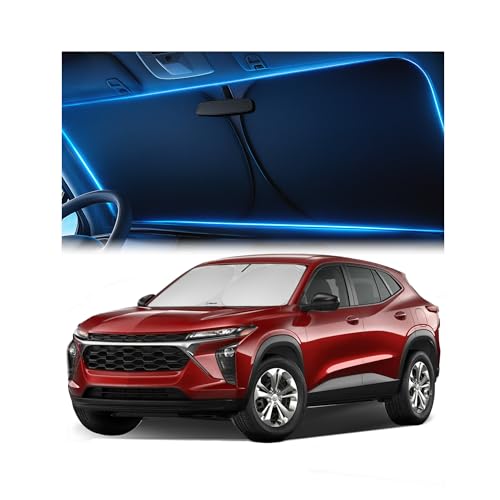
Custom Fit Windshield Sun Shade for Chevrolet Trax: shaped exclusively for the Chevrolet Trax 2024 2025 2026 with a rearview mirror cut-out that closes gaps for a slip-free, full-coverage front window sun shade

Custom Fit for Toyota Tacoma 2016 - 2026 Windshield Sun Shade: Precisely designed windshield sunshade fit for Toyota Tacoma 2016, 2017, 2018, 2019, 2020, 2021, 2022, 2023, 2024, 2025 and 2026 to provide full windshield coverage with 100% light blocker.
Maintenance, Storage, and Longevity
Because storage and upkeep decide whether a $25–$80 sun-shade system still works in year three, buyers should think beyond first use. Multi-piece shades fold or roll panel-by-panel, saving drawer space and fitting a 12″×18″ cubby. Single covers can be bulky and awkward to store. Maintenance is simple: wipe with a damp paper towel after dusty days. A cleaner shade reflects better and lasts longer. Expect single-piece covers to show more stretch and edge wear after 50–100 uses, while panels often wear locally and can be swapped. Store shades in a cool, dry spot away from direct sun to add years. Who wants a brittle, sun-baked cover? Testers joked panels feel like spare tiles—practical and replaceable. Choose materials that offer 99% UV protection to preserve interiors and extend the shade’s useful life.
When to Choose a Multi-Piece System Over a Single Cover
If your vehicle is long, oddly shaped, or you park where the sun mows across the glass, go with a multi-piece system. Buyers often choose multi-piece systems when a single windshield cover leaves gaps. For trucks over 6.5 feet or vans with curved glass, a 3-piece kit ($25–$60) fits better. Shades for side and rear windows cut cabin heat by 6–10°F in tests. Need versatility? Use one panel, or all three, depending on sun angle. A bulky windshield cover can be awkward to remove. Multi-piece setups let you cover only what matters. One tester joked, “It’s like wearing layers — remove a scarf, keep your hat.” Practical, precise, and less fussy for odd cars and bright lots. Multi-piece systems often use multi-layer insulation to reduce interior temperatures by 30–40°F and block up to 99% of UV rays.
Recommended Sun Shades and Where to Buy Them
After sizing up whether a multi-piece kit or single cover fits better, shoppers next face the question: which sun shade to buy and where to get it. WeatherTech’s Custom-Fit Sun Shade sells for $59 on Amazon. It rolls up, has foam insulation, and fits like a tailored hat. Covercraft’s sunscreen offers true custom fit and is sold directly from Ford for owners wanting factory-style coverage. The AutoTech Park Foldable Custom-Fit shade is $33 on Amazon, with felt inside to avoid dashboard scratches. Husky Liners’ Universal Sunshade is $20 on Amazon and works for many cars but won’t stretch for larger SUVs. Intro-Tech Automotive’s Ultimate Reflector also earns praise for effectiveness. Consider also choosing a shade with custom-fit designs to minimize gaps and maximize UV protection.
Other Ways to Protect Your Car From Sun Damage
While sun shades are the obvious first line of defense, there are several other practical ways to protect a car from sun damage that savvy owners should consider. Parking facing north cuts direct sun’s rays on the dash and lowers cabin temp by about 5–10°F. Window tinting (35% VLT) blocks UV and helps preserve interior components; expect $150–$400 installed. Canopy car ports offer constant shade — think $200 for a basic 10×10 ft frame. External full covers keep glass clean and interiors cool; a good polyester cover runs $40–$80. Simple habits matter too: towels on the steering wheel and dashboard can add years to leather and plastics. Want peace of mind? These low-cost steps stack well with a sun shade.
Frequently Asked Questions
What Is the Difference Between 210T and 240T Sunshades?
210T is lighter, 240T is thicker and stronger: fabric durability is higher in 240T, offering improved heat reflection and UV resistance; 210T suits easy handling, while 240T provides better insulation and long-term performance.
Should You Use a Windshield Cover?
Yes. Contrasting glare and cool shade, one visualizes relief; the person values cost savings and ease of use, prefers quick installation, reduced interior damage, and consistent UV protection, accepting occasional fit compromises for practical convenience.
Do Sunshades Actually Keep a Car Cooler?
Yes. The observer notes sunshades provide measurable heat reduction, keeping the car interior noticeably cooler. Reflective surfaces and insulating layers reduce absorbed solar energy, lowering cabin temperatures and helping protect dashboards and upholstery from heat damage.
What Color Sunshade Is Best for a Car?
A silver, reflective sunshade is best for a car; dual-sided designs offer flexibility. It uses best sunshade materials to reflect sunlight, reducing interior heat. The impact on temperature can be substantial, lowering cabin warmth.


