As an Amazon Associate, we earn from qualifying purchases. Some links on this site are affiliate links at no extra cost to you. Our recommendations are based on thorough research and editorial judgment.

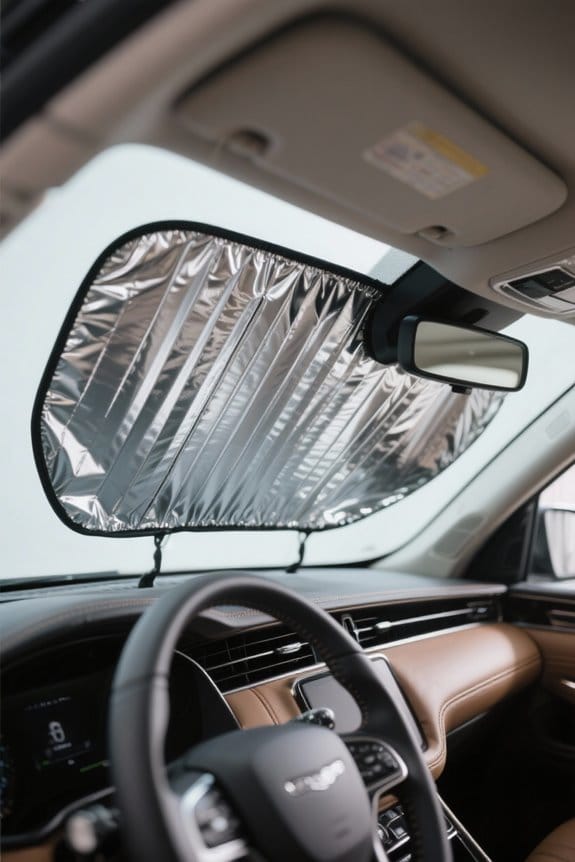
The Danger of Hot Car Interiors: Temperature Timelines

A parked car turns into an oven fast. On a 95°F day a cabin can hit 116°F in one hour and climb about 20°F in ten minutes. Dashboards may reach 157°F and seats 123°F. Children heat three to five times faster than adults; pets only pant to cool. Sunshades (block up to 99% UV) and reminder systems ($20–$60; radar sensors about $20) help. Scary but simple steps save lives. Keep going to learn practical next steps.
Key Takeaways
- A parked car can reach about 116°F (47°C) in one hour on a 95°F (35°C) day, becoming dangerous quickly.
- Interior temperatures can rise ~20°F (11°C) within just ten minutes after parking in sun.
- Dashboards and steering wheels can reach 157°F (69°C) and 127°F (53°C), respectively, causing burns on contact.
- Children heat up three to five times faster than adults and can suffer fatal heatstroke within minutes.
- Use sunshades, rear-seat reminders, and call 9-1-1 immediately if a child or pet is left in a hot car.
How Quickly a Parked Car Heats Up
You may be interested


One clear fact stands out: a parked car becomes dangerously hot very fast. Readers learn that on a 95°F (35°C) day interior temperatures can hit 116°F (47°C) in one hour. In just ten minutes, temps often rise about 20°F (11°C). That’s why hot cars are not harmless. A dashboard may reach 157°F (69°C); seats can top 123°F (51°C). Even shade only helps so much — roughly 100°F (38°C) after an hour. Kids heat up three to five times faster than adults, so heatstroke can occur within an hour in sunlit vehicles. Think of a car as an oven on wheels. Tester quote: “It felt like opening a toaster.” Can you risk it? Practical gear like a $15 sunshade helps immediately. Custom-fit sunshades often reduce interior temperatures significantly and improve cabin comfort.
Temperature Differences: Sun Versus Shade

After seeing how fast interiors climb in temperature, it matters whether a car sits in sun or shade. Readers learn clear temperature differences: on a 95°F day, parked cars hit about 116°F inside after one hour in sun, versus roughly 100°F in shade. That 16-degree gap feels huge. Think of a toaster versus a warm oven. Child safety is the core concern. A tester joked, “It’s like leaving a pizza in a mini oven.” Practical details help: dashboards, steering wheels, and seats run hotter in sun. You might ask, “Is shade enough?” It helps, lowering many surfaces by 10–30°F. Bring simple tools: a sunshade ($10–$30) and awareness. This isn’t fearmongering; it’s calling for smart habits. Reflective sunshades made from dual-layer materials can further reduce interior temperatures and block up to 99% of UV rays.
Recommended Products

2X Heat Blocking with Double-Layer Design: Unlike standard single-layer sunshades, Magnelex uses dual 240T reflective layers for superior heat rejection and UV protection. Stay cooler, protect your interior, and feel the difference every time you enter your car.

Enhanced Sun Protection: Shield your vehicle from harmful UV rays with EcoNour windshield sunshade and car window shades. Made from premium 240T polyester, this car sun shade windshield acts as a sun shade protector, blocking heat to keep your dashboard, seats, and interior cooler. A reliable sun visor for car windshield and sun cover for car windshield for everyday driving.

2X Heat Blocking with Double-Layer Design: Unlike standard single-layer sunshades, Magnelex uses dual 240T reflective layers for superior heat rejection and UV protection. Stay cooler, protect your interior, and feel the difference every time you enter your car.
Surface Hotspots: Dashboards, Seats, and Steering Wheels
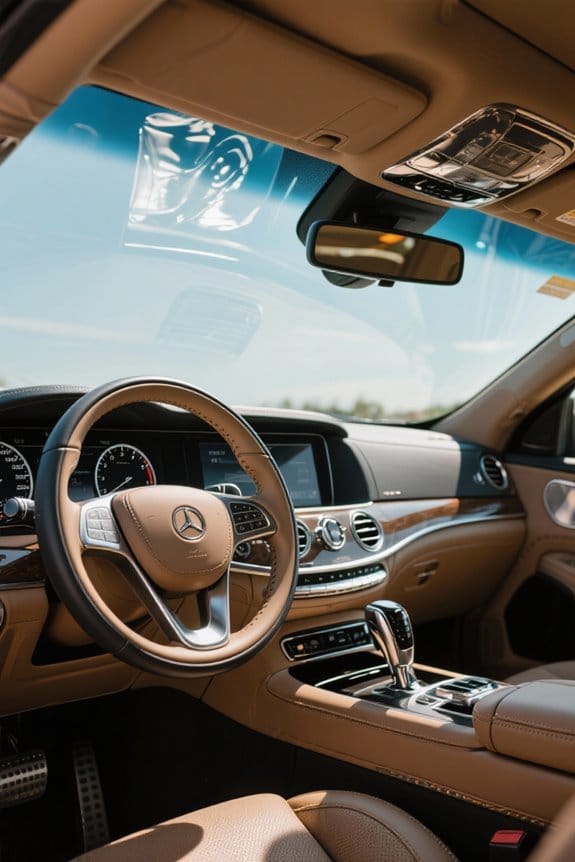
Many surfaces inside a parked car become mini-sun ovens you can feel in seconds. The dashboard can hit about 157°F (69°C). That’s hotter than a pizza oven and painful to touch. Steering wheels average 127°F (53°C). Hands can get burned in moments. Seats climb to 123°F (51°C), making leather feel like a skillet. Even shaded interiors reach ~100°F (38°C) in an hour, so these hotspots matter regardless. Readers might ask: what’s a practical fix? Sunshades ($10–$30) and breathable seat covers ($20–$60) cut surface temperature noticeably. One tester joked, “It’s like high-fiving the sun.” Practical checks with a laser thermometer ($20) help you identify the worst spots before you sit. Custom-fit sun shades can block up to 99% of sunlight, providing superior protection against UV and keeping interiors much cooler.
Recommended Products

Superior Heat & UV Protection: Keep your vehicle cool with the EcoNour windshield sunshade. This premium car sun shade windshield blocks harmful UV rays and heat, acting as a reliable sun shade protector and sun blocker for car windshield to help protect your dashboard, seats, and interior from sun damage.

Protects Your Car Interiors: EcoNour’s car window shades act as a reliable window sun blocker, protecting your dashboard, seats, and other interior accessories from harmful UV rays. This durable heat shield automotive ensures long-lasting protection and is super convenient to use.

Equipped with GVEN’s exclusive Ultra Reflective Technology, the dual-layer 240T reflective polyester construction blocks 99% of UV rays. Windshield sun shade effectively shields dashboards, seats, and in-car electronics from fading, cracking, and sun damage.
How Humidity Affects Cooling Inside Vehicles
How much worse can humidity make a hot car feel? The answer is blunt: very. Humidity blocks sweat evaporation, so the body’s natural cooling fails. In closed cars, human breath adds moisture, raising relative humidity and hastening heatstroke risk. Temperatures can hit 116°F (47°C) in an hour; with high humidity it feels much more oppressive. Think of a sauna with seatbelts. A small digital hygrometer ($10–$20) shows rapid RH rises. Portable fans ($15) help move air but do little if humidity is high. Air conditioning is best; a 12V car A/C unit ($100–$300) lowers both temp and humidity. Tester Maria joked, “It felt like soup.” Practical takeaway: monitor humidity, not just temperature, to protect cooling and reduce danger. Using a custom-fit sunshade can also help lower interior temperatures and reduce solar gain.
Why Children and Pets Are Especially Vulnerable
Because children gain heat so quickly, a parked car becomes a fast-moving danger zone. Children’s body temperatures can rise three to five times faster than adults’. On a sunny day, interiors jump about 20°F in 10 minutes. That means a toddler can reach dangerous hyperthermia—core above 104°F—sooner than most realize. An average of 37 U.S. children die yearly in such incidents. Pets suffer too; they cool only by panting and fail fast in hot cars. What can you do? Use a $25 digital thermometer or a $40 rear-cabin fan to monitor and move air. Ask yourself: would you leave a sleeping child? Tester quote: “It feels safe—until it isn’t.” Practical steps beat regret. Many sun visors offer UPF50+ protection that helps reduce sunlight-driven heating inside vehicles.
Real-World Timelines: Minutes to Danger
Though a quick grocery run can feel harmless, a parked car turns into an oven in minutes. Readers learn clear timelines. In 10 minutes temperature can climb about 20°F (11°C). After 30 minutes, on a 95°F (35°C) day, interiors hit roughly 109°F (43°C). Within an hour it can reach 116°F (47°C). That’s fast. A child’s body warms three to five times quicker than an adult’s. Heatstroke risk becomes severe well before an hour. Even in shade, expect near 100°F (38°C) within 60 minutes. Imagine a lunchbox melting at $8 and a car thermometer reading 109°F like a bad summer joke. Who would leave a kid there? Practical takeaway: minutes matter. Check before you lock. Using custom-fit shades can significantly reduce interior temperatures and protect passengers.
Common Causes of Forgetting a Child in the Car
When routines wobble, memory can fail in an instant. Caregivers can experience cognitive lapses after stress, change, or a late meeting. More than 50% of vehicular heatstroke cases involve unintentionally forgetting a child. Distractions like phone calls, new drop-off schedules, or fatigue create conditions for a child trapped in a back seat. It can happen during errands, grocery runs, or swapping baby seats. Who is immune? No one—this crosses demographics and parenting styles. Imagine a brief detour adding five minutes and altering habit patterns. Practical signs: hurried exits, ajar doors, and unanswered baby monitors. Tester quote: “I missed a nap window once; that pause mattered.” How to recognize risk? Watch routine breaks and added stressors closely. Custom-fit sun shades can reduce interior temperatures by up to 50 degrees, helping lower the risk of heat-related harm when a child is accidentally left in a vehicle, so consider installing them as part of safety planning for every trip, especially with custom-fit shades in your vehicle.
Simple Behavioral Prevention Strategies
Adopt a simple habit: check the back seat every time the car stops. Parents are urged to treat it like locking doors — automatic and quick. Place a purse or briefcase in the back seat beside a child as a visual cue; a $25 tote works fine. Set up a pick-up check call with daycare; a missed arrival triggers action. Lock doors and keep keys out of reach to prevent accidental entry. Remind caregivers that hot cars can exceed 116°F (47°C) in an hour, creating rapid heatstroke risk. Who wants that scare? Use sticky notes on the dashboard for busy mornings. Tester Nora said, “It’s silly, but it saved my calm.” Small routines make strong prevention. Many sun shades block up to 99% of UV to help reduce interior temperatures and protect occupants.
In-Vehicle Technologies That Warn of Occupants Left Behind
Because human memory is fallible, carmakers and tech advocates are racing to add sensors that actually notice a child left behind. Many manufacturers plan rear seat reminder systems by 2026. Over 215 models already include warning systems, yet human behavior still complicates outcomes. Fatalities from heat exposure have occurred despite these tools. New proposals push cheap high-frequency radar sensors — about $20 per vehicle — to detect sleeping infants who might be missed. How reliable are they? Tests show improved detection, but not perfection. One tester joked, “It finally sees what Mom forgets.” Practical in-vehicle technology should cut false alarms while catching real danger. High-quality sunshades that block up to 99% of UV rays can also help reduce interior temperatures and protect occupants in parked cars, adding another layer of prevention with UV protection.
What to Do If You Find a Child or Pet in a Hot Car
Spot the urgency: a child or pet in a parked car can become life‑threatening in minutes. Call 9-1-1 immediately; every minute matters to prevent heatstroke. Temperatures climb fast — about 20°F in 10 minutes — so act without delay. If it’s safe, open a door or crack a window to add airflow. Remove the child from the hot car gently and check for signs: confusion, vomiting, or unconsciousness. Cool with water or damp cloths and move to shade. Think of it like treating a phone that’s overheated — quick cooling helps function recover. What if you can’t open the door? Tell dispatch details: exact location, vehicle make, and license plate. Stay calm and keep talking to the child. Many owners use custom-fit shades to reduce interior temperatures and protect occupants.
Community Actions and Policy Measures to Prevent Heat-Related Deaths
Three simple moves can cut the risk of hot‑car deaths. Community awareness initiatives like “Beat the Heat…Check the Backseat” teach parents about 37 annual U.S. deaths. Cities run $1,500 outreach kits with flyers and yard signs. Lawmakers propose mandates for rear seat reminder systems costing about $20–$60 per vehicle. Nonprofits push high‑frequency radar devices priced near $120 that detect small movements. Who watches the backseat matters. Childcare centers and parents agreeing on pick‑up checks reduce missed children. In-vehicle technology to alert drivers is practical and proven in tests. Prevention of pediatric vehicular heatstroke needs laws, local campaigns, and tech. A sober mix of policy and community action saves lives—simple, measurable, and urgent.
Frequently Asked Questions
How Long Does It Take for a Car to Become Dangerously Hot?
About thirty minutes; interiors can become dangerously hot much sooner. Observers note rapid heat exposure effects: children require strict child safety measures, and caregivers should use car temperature monitoring to prevent swift, severe overheating.
What Is the 30-60-90 Rule for Cars?
The 30-60-90 rule for cars states that cabin temperatures escalate rapidly: roughly 30 minutes +20°F, about 60 minutes reaching around 116°F, and 90 minutes nearing 126°F, highlighting car safety, heat exposure, and child safety risks.
How Hot Can the Inside of a Car Get on a 90 Degree Day?
Like a kettle left on a stove, the interior can exceed 110°F within an hour; sunroof effects, window tinting, and reflective shades can alter rise rates, but dashboards may reach 157°F under direct sunlight.
Does Heat Ruin a Car’s Interior?
Yes. It causes material degradation: upholstery fading, dashboard cracking, weakened plastics and resins, electronic failures, and compromised seatbelt fibers. Long-term heat exposure reduces longevity, safety, and aesthetic value, often requiring costly repairs or replacements.


