As an Amazon Associate, we earn from qualifying purchases. Some links on this site are affiliate links at no extra cost to you. Our recommendations are based on thorough research and editorial judgment.

Child Safety: Keeping Kids Cool in Hot Parking Lots

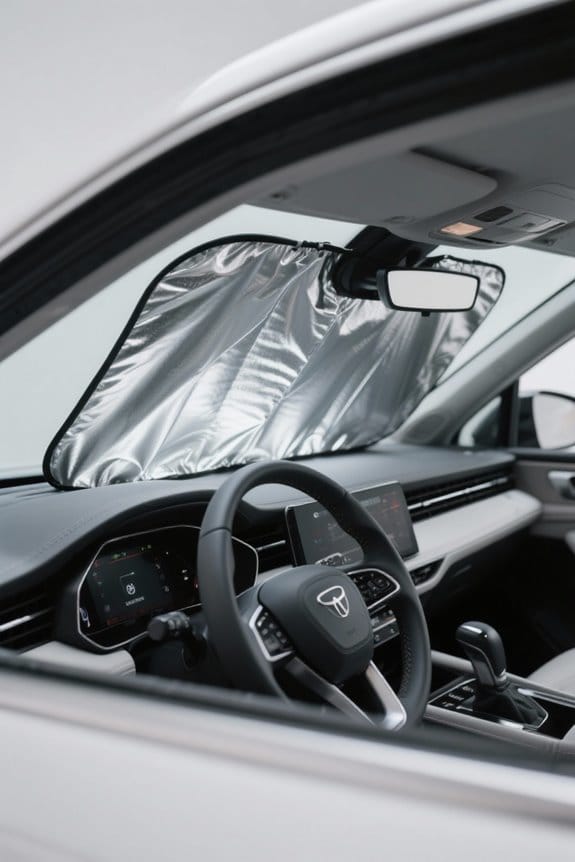
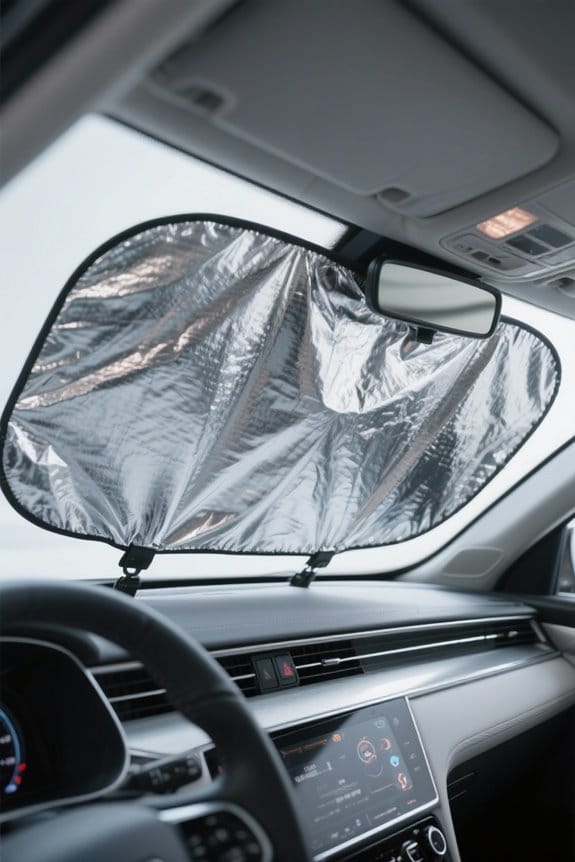
A car can become a dangerous oven in minutes, reaching 100°F within 30 minutes on a 75°F day. Caregivers should use a reflective sunshade ($18 kits) and a $12 window thermometer. Dress kids in light, loose clothes and offer water every 20–30 minutes. Look for irritability, dizziness, or lethargy. Never leave a child alone, even briefly — stuffed animals on seats help remind drivers. Want quick cooling tips and community tools to prevent tragedy?
Key Takeaways
- Never leave children unattended in parked cars; interiors can exceed 100°F within minutes, causing rapid overheating.
- Dress kids in lightweight, light-colored clothing and wide-brim hats to reduce heat absorption.
- Provide water or age-appropriate electrolyte drinks every 20–30 minutes and schedule shaded breaks.
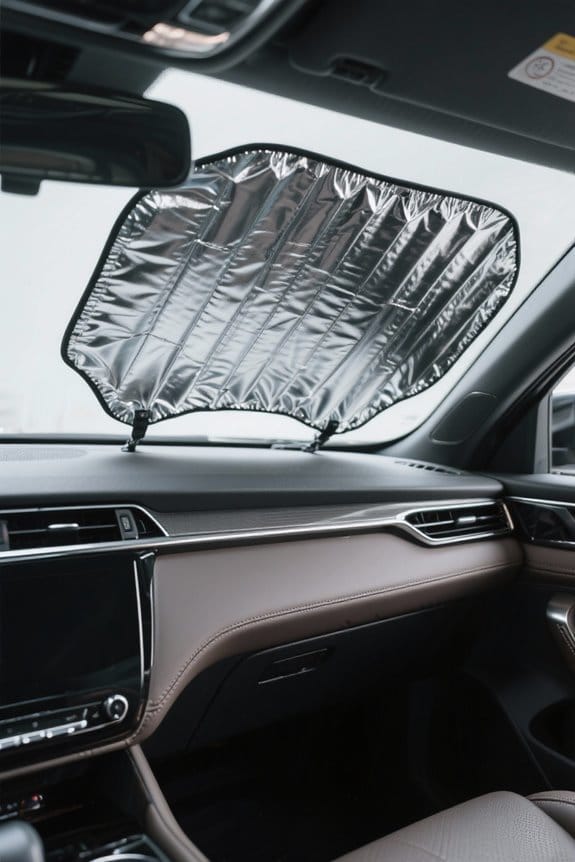
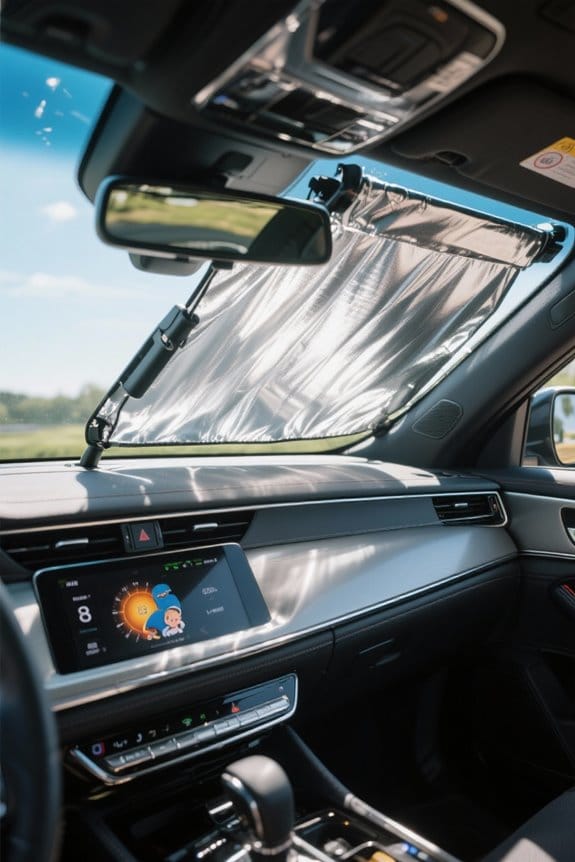
- Use sunshades, reflective window covers, and high-density polyester shades to slow interior temperature rise.
- Establish loading/unloading routines: count children aloud, place a stuffed animal in the car seat as a reminder, and always check the back seat.
Why Parking Lot Heat Is Dangerous for Children
You may be interested


On a hot afternoon, even a few minutes can turn a car into a dangerous oven. A child left unattended can face rapidly rising heat inside a parked vehicle. Temperatures climb fast: interiors can hit over 100°F in five minutes on a 90°F day. That 19°F jump in ten minutes matters. Kids heat up three to five times faster than adults. Core temperatures near 104°F risk heatstroke. In 2026, 39 children died this way. Practical steps help: a $20 sunshade or $35 window vent slows warming, testers note, but never replaces supervision. Can you imagine a sleeping toddler like a small radiator? Short trips require checks. If you see a child alone, call 911. This is simple prevention, backed by clear, alarming data. Using quality sunshades made from reflective polyester can significantly improve heat insulation and UV protection.
How Quickly a Car Can Become Life‑Threatening
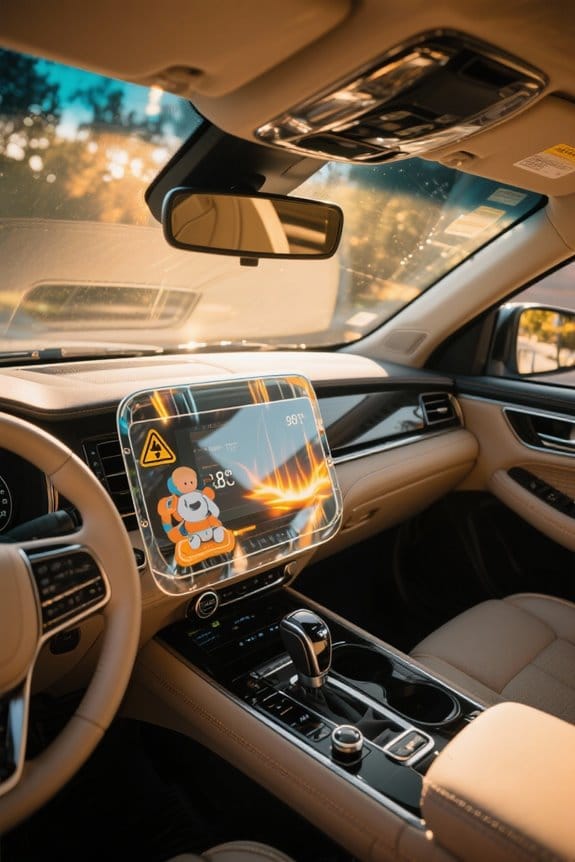
Urgency is clear when the numbers are laid out: a parked car can heat up 19°F in just 10 minutes, turning a mild afternoon into a dangerous oven for a child. In 75°F weather a car can top 100°F within 30 minutes. In 90°F conditions it may pass 100°F in five minutes. Children heat faster than adults; their core body temperature can reach dangerous levels quickly. Heatstroke starts near 104°F. Since 1998 over 230 children have died in hot car deaths. Think about a grocery run that takes ten minutes. A $30 sunshade or a $25 compact fan might help in transit, but they don’t replace vigilance. Who would risk a child’s life for convenience? Pay attention. Check seats every trip. Using a proper custom-fit shade can reduce interior temperatures and block harmful UV rays while you’re parked.
Recognizing Signs of Heat-Related Illness in Kids
Many parents notice subtle changes before things get serious. Caregivers should focus on recognizing signs of overheating: irritability, excessive sweating, rapid heartbeat, and fatigue all signal trouble. A child who becomes dizzy, nauseous, or confused may be moving toward heat exhaustion. Infants can refuse to drink, be lethargic, or hard to wake; that’s serious. Heat rash appears as red clusters in skin folds and suggests immediate cooling. At what temperature is action required? Readings above 104°F (40°C) need urgent care. Practical gear helps: a $25 digital forehead thermometer gives quick readings. A lightweight cooling towel ($12) cools skin fast. “It felt like a toaster,” one tester joked, describing a 95°F car interior. Choosing sun visors that block up to 99% of UV rays and provide a reflective barrier can help keep car interiors significantly cooler.
Clothing and Hydration Tips for Hot Days
Because heat hits kids faster than adults think, dressing and hydrating them is a frontline defense. Parents should choose lightweight, loose-fitting, light-colored clothing — cotton tees or moisture-wicking shirts, $10–$25 each, work well. Add wide-brimmed hats ($12) and sunglasses to cut sun exposure. Hydration means water every 20–30 minutes during activity. Offer 4–8 oz for toddlers, 8–12 oz for older children; avoid sodas and sugary drinks. Electrolyte tablets or low-sugar sports drinks can help after heavy sweating. Schedule play early morning or late afternoon to reduce risk. Take frequent shaded breaks or five-minute cool-downs in air-conditioned spots. Want a simple tester tip? Pack a 1-liter insulated bottle and chill it — kids drink more when it’s cold. Using a reflective sun shade can help keep parked cars cooler and reduce interior temperatures by up to 40F, protecting children during quick stops.
Safe Practices When Loading and Unloading Children
Keeping kids cool and hydrated is only half the job; getting them safely into and out of the car matters just as much. Supervise every child closely while loading and unloading to keep them from wandering into traffic. A designated adult should count aloud — a simple check-in system — before the vehicle moves. Remember parked cars can hit 100°F within minutes, so never leave a child unattended even for a quick grocery grab. Use a stuffed animal or personal item in the car seat as a back-seat reminder; a $10 plush on the dash becomes a lifesaver. Teach kids to stay within arm’s reach. Practical routine, clear roles, and a little humor — “hands on hips, not on hood” — help keep everyone safe. High-quality reflective sunshades can help lower interior temperatures and block UV rays, improving comfort for children UV protection.
Reminders and Tools to Prevent Forgetting a Child
When a simple habit can save a life, it pays to be a little paranoid and a lot practical. Caregivers can use visual reminders — a stuffed animal in the front seat ($5–$20) — to prompt a back-seat check. Set phone alarms or apps that notify you when the engine turns off; many cost under $10 annually. Keep keys and fobs out of reach to prevent children from climbing in alone. Ask daycare or family to call within 15 minutes if a child hasn’t arrived. Always perform a physical sweep of the entire vehicle before locking it. Safety is straightforward: short routines, small tools, and added checks keep children cool and safe. Who wouldn’t spare two extra seconds? Many sun shades made from reflective polyester or aluminum can also help keep the interior cooler when parked in hot weather.
What to Do If You See a Child Alone in a Vehicle
How fast can a car turn into an oven? A vehicle can heat up 19 degrees in just 10 minutes. If a reader sees a child alone in a vehicle, call 911 immediately. Preventing Hot Car tragedies starts with swift action. Observe signs of overheating — flushed skin, rapid breathing, confusion. Note details: location, car make, color, license plate if safe. If the child is left in obvious distress, act to remove them while waiting for responders. Emergency personnel recommend cooling measures: remove excess clothing, apply cool (not ice-cold) water, and monitor breathing. Don’t confront owners aggressively; prioritize the child’s safety. A $30 window-break tool can help rescuers, but calling 911 is the crucial first step. Custom-fit sunshades can significantly reduce interior temperatures and help prevent such emergencies by keeping vehicles cooler interior cooling.
Extra Precautions for Children With Medical Conditions
After outlining what to do if a child is found alone in a hot car, attention turns to kids who have medical conditions that make heat more dangerous. Parents should know that pediatric vehicular heatstroke risk rises with stimulants for ADHD, cystic fibrosis, sickle cell disease, and obesity. Monitor body temperatures closely; a digital ear thermometer ($25–$40) gives quick readings. Offer water every 10–15 minutes; a 16-ounce bottle is practical. If signs of distress appear, cool the child and call 911. Think of heat like a bully that exploits weaknesses. Protect kids by carrying a small battery fan ($15) and cooling gel packs ($10 each). “Feels like soup inside,” a tester joked, prompting faster action. Who wouldn’t act with clear data and simple tools? Many sun-protection products for vehicles can lower interior temperatures significantly, helping prevent heat-related emergencies by providing up to 99% UV protection.
Cooling Techniques for Minor Overheating
A cool-down plan gives caregivers quick, practical steps if a child shows mild overheating. Children are particularly vulnerable when temperatures inside a vehicle rise; remove the child to shade or an A/C room immediately. Offer cool water or a 500 ml electrolyte drink (about $1.50 at a store). Use a damp washcloth on head, neck, and underarms. Fan while applying wet cloths to boost convection; a small handheld fan ($12) works well. Watch for irritability, fatigue, or other early signs to avoid progression to heat stroke. Never leave a child unattended while cooling. How hot does it get? Fast enough to surprise you. A calm tone and simple actions—drink, cool, rest—often restore comfort within 15–20 minutes. Using reflective materials like high-density polyester shades can help prevent rapid interior heating by blocking UV rays.
Community Actions and Resources to Prevent Hot Car Deaths
Cooling a child quickly is essential, but community action can stop many of these emergencies before they start. Neighborhood groups can hand out 8.5×11 posters showing how a car can hit 100°F in ten minutes, priced around $0.25 each to print. Local clinics sell window thermometers ($12) and sunshade kits ($18) that reduce interior heat by measurable degrees. Agencies urge you: call 911 if you spot a child unattended in a car. Toolkits for daycare providers include checklists and phone scripts to prevent a forgotten seat occupant. Laws to require locked vehicles help keep curious kids from climbing in. Will a simple poster save a life? Sometimes yes. A tester joked, “It’s cheap insurance.” Many communities promote custom-fit shades and reflective materials to maximize heat reduction and UV protection.
Frequently Asked Questions
What Temperature Is Too Hot for Children to Be Outside?
Above about 90°F, children face dangerous heat sensitivity; like candles melting in sunlight, prolonged sun exposure elevates risk. Caregivers must monitor hydration needs, limit outdoor activities, seek shade, and reduce intensity when humidity is high.
How Can We Keep Children Safe in Hot Weather?
They promote hydration strategies, offer shade options, employ cooling mechanisms like mist fans or wet towels, and guarantee sunscreen application before outdoor play; caregivers monitor for overheating signs, schedule breaks, and prioritize shaded, cooler environments.
How Hot Is Too Hot for Kids in a Car?
Like a sealed oven, temperatures above roughly 100°F inside a car become dangerous; heat stress can develop rapidly. Car insulation accelerates warming, so pediatric care advises never leaving children unattended and prompt emergency response if overheating occurs.
How Long Can a Child Sit in a Hot Car?
No safe amount of time exists; a child can suffer heatstroke within minutes. Advisers stress car safety tips, recognize heat exhaustion signs, maintain constant child supervision, and keep emergency contacts ready to call for immediate assistance.