As an Amazon Associate, we earn from qualifying purchases. Some links on this site are affiliate links at no extra cost to you. Our recommendations are based on thorough research and editorial judgment.


Can Windshield Sun Shades Prevent Steering Wheel Heat Damage?

Windshield sun shades cut cabin heat about 15–20°F, so they sharply lower steering wheel surface temps and reduce UV damage. A $12–$30 reflective Fitepro-style shade blocks direct sun and prevents wheels from becoming scalding hot within minutes. Leather and vinyl still age with repeated exposure, but shades plus a $10–$25 wheel cover give strong protection. Want a cool grip and fewer cracks? Keep the shade in place and try the next tips to learn more.
Key Takeaways
- Yes — reflective windshield sun shades reduce cabin temperature by about 15–20°F, lowering steering wheel heat exposure.
- Proper installation (shiny side out) maximizes solar reflection and UV blocking to protect wheel materials.
- Lower cabin temps decrease the risk of cracking, fading, and stiffening of leather or synthetic steering wheels.
- Sun shades are most effective combined with steering wheel covers and shaded parking for additional protection.
- Inexpensive shades ($10–$30) provide cost-effective, immediate reduction in heat-related interior damage.
Opening the Door to a Sauna: How Interior Heat Builds Up

You may be interested


On a clear summer afternoon, a parked car can feel like an oven, and that’s not an exaggeration. Interior temperatures can climb 15–20°F above outside air, so a 80°F day can mean 95–100°F inside. Surfaces heat fast. The steering wheel becomes too hot to touch within minutes. A simple Steering Wheel Cover, priced around $15–$30, offers instant relief and UV Protection for worn leather. Think of the cabin as a greenhouse trapping sunlight. Want numbers? Testers note dashboards reach scalding levels in under an hour. Using sun protection will reduce heat and slow material breakdown, preserving the car interior and saving repair costs. Who enjoys a blistered palm? Not you. Practical steps matter; small products deliver measurable benefits. Many owners also use windshield covers to prevent heat buildup and protect the dashboard and wipers.
How Windshield Sun Shades Work to Block Heat and UV

A sun shade is the next logical step after keeping a steering wheel covered, because it stops heat before it ever reaches the cabin. Sun shades use reflective material to bounce sunlight away, cutting UV rays and lowering interior temperature noticeably. A typical foldable shade costs $10–$30 and claims to reduce cabin heat by 15–20°F. Install with the shiny side out. That simple step blocks direct solar radiation and keeps dashboards and leather from baking. Think of it as sunscreen for your car. One tester joked, “my steering wheel stopped feeling like a griddle.” Combine a shade with a $15 neoprene wheel cover for full protection. Why suffer a hot grip? This small investment delivers clear, measurable comfort. Rain guards can also help by allowing windows to be cracked for ventilation without letting in rain and debris.
Recommended Products

Enhanced Sun Protection: Shield your vehicle from harmful UV rays with EcoNour windshield sunshade and car window shades. Made from premium 240T polyester, this car sun shade windshield acts as a sun shade protector, blocking heat to keep your dashboard, seats, and interior cooler. A reliable sun visor for car windshield and sun cover for car windshield for everyday driving.

Superior Heat & UV Protection: Keep your vehicle cool with the EcoNour windshield sunshade. This premium car sun shade windshield blocks harmful UV rays and heat, acting as a reliable sun shade protector and sun blocker for car windshield to help protect your dashboard, seats, and interior from sun damage.

Protects Your Car Interiors: EcoNour’s car window shades act as a reliable window sun blocker, protecting your dashboard, seats, and other interior accessories from harmful UV rays. This durable heat shield automotive ensures long-lasting protection and is super convenient to use.
Measured Temperature Reductions: What the Data Shows

Because parked cars can turn into ovens in minutes, owners often reach for a simple $10–$30 reflective windshield shade to keep things tolerable. Tests show those shades can cut the temperature inside by about 15–20°F. That reduction noticeably lowers heat exposure to the steering wheel and dash. Thermal probes and lab trials report reflective material blocks solar radiation and reduces UV penetration. Want to protect your interior? A properly fitted shade slashes hot spots and steadies temperature swings that cause cracking and peeling. One tester joked, “it’s like giving your car a sunscreen.” Drivers report longer comfort and preserved heated steering wheel function. So for a small price, data supports better cabin climate and less UV wear. Custom-fit shades made from 210T reflective polyester often provide superior insulation and durability.
Steering Wheel Materials and Their Vulnerability to Sun Damage
Sun-baked surfaces reveal the truth about steering wheel materials and their weak spots. Synthetic wheels, like vinyl or polyurethane, crack and fade from sun damage over months. Leather fares better but still discolors and sheds with prolonged heat buildup, often feeling stiff and sad to the touch. Tests show steering wheel temperatures can top 150°F in direct sun, which speeds material breakdown and erodes grip. Windshield Sun shades can lower cabin temps by 20–30°F, helping preserve finishes and comfort. Imagine grabbing a wheel that smells like an old beach chair—unpleasant, right? Prices for basic reflective shades run $10–25, while higher-end models cost $30–60. So, protecting surfaces is cheap and sensible, and it keeps your steering wheel usable and safer. High-quality sun visors and shades made from reflective polyester and durable materials can block UV rays and extend the life of interior surfaces.
Comparing Types of Sun Shades: Which Ones Protect Steering Wheels Best
Which sun shade actually keeps a steering wheel cool and intact? The article compares folding ($10–$20), umbrella ($8–$25), and custom-fit ($30–$80) models to show how car sun shades work. Folding shades are light and compact but may miss edges in larger SUVs, so they rarely give maximum coverage for the wheel. Umbrella-style shades are neat for quick use but can expose the rim if misaligned. Custom-fit shades offer the best seal, reducing cabin heat and protecting leather from peeling. Always face the reflective side outward to deflect sunlight. Tester Liam joked, “It’s like sunglasses for your dash.” Practical tip: check fit and price. Want full protection? spend a bit more for tailor-made coverage. Custom-fit designs ensure a snug, secure fit that maximizes coverage and minimizes gaps to block sunlight and UV rays.
Recommended Products

2X Heat Blocking with Double-Layer Design: Unlike standard single-layer sunshades, Magnelex uses dual 240T reflective layers for superior heat rejection and UV protection. Stay cooler, protect your interior, and feel the difference every time you enter your car.

2X Heat Blocking with Double-Layer Design: Unlike standard single-layer sunshades, Magnelex uses dual 240T reflective layers for superior heat rejection and UV protection. Stay cooler, protect your interior, and feel the difference every time you enter your car.
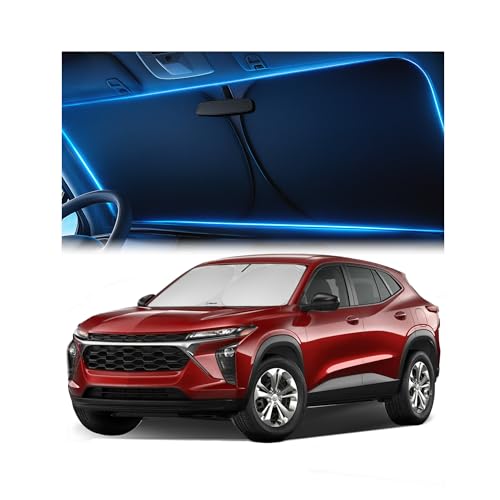
Custom Fit Windshield Sun Shade for Chevrolet Trax: shaped exclusively for the Chevrolet Trax 2024 2025 2026 with a rearview mirror cut-out that closes gaps for a slip-free, full-coverage front window sun shade
Proper Installation: Maximizing Shade Coverage for the Wheel
Having picked a custom-fit shade or weighed the pros and cons of folding ($10–$20) and umbrella ($8–$25) styles, attention turns to getting the thing to actually block sun from the wheel. Proper installation demands pressing the reflective side tight to glass. Think snug like a lid on a jar. That placement helps maximize shade coverage and sends sunlight back outside, keeping the interior cooler by 15–20°F in tests. Use a custom-fit model to cover more windshield area and reduce radiant heat toward the wheel. Add side sun shades for extra UV defense. Put the shade in every time. Tester Pete joked it’s like tucking the wheel into a little blanket. Small habit, big heat protection payoff. Choosing a shade with double thickness reflective fabric can further improve durability and insulation.
Recommended Products

Custom Fit for Toyota Tacoma 2016 - 2026 Windshield Sun Shade: Precisely designed windshield sunshade fit for Toyota Tacoma 2016, 2017, 2018, 2019, 2020, 2021, 2022, 2023, 2024, 2025 and 2026 to provide full windshield coverage with 100% light blocker.
![[2026 Upgraded] DooGooCoo Windshield Sun Shade for RAM 1500 2500 3500 2019-2025 2026 [Cooling Ice-Crystal, 100% Sun Block] Car Sun Shade Windshield for Truck RAM 1500 Sun Shade, Custom for RAM Front.](https://m.media-amazon.com/images/I/51IIOqADNYL._SL500_.jpg)
【Precision Fit for RAM 1500 2019-2026】Custom-fit car windshield sun shade designed for RAM 1500 model 2019 2020 2021 2022 2023 2024 2025 2026,offering full coverage as a dependable car sun shade windshield.

Material Upgrade: The new windshield sunshade for 2026 provides more sun protection and shade. We abandoned the old-fashioned titanium silver coating design and chose 300T Oxford cloth with higher density as the raw material for the sunshade. It can effectively block sunlight and heat, allowing you to enjoy the coolness and tranquility inside the car in the scorching summer.
Limitations of Windshield Shades and When You Need More
Although windshield sun shades cut cabin temperatures by about 15–20°F, they don’t always stop the steering wheel from turning into a hot skillet in direct sun. Windshield sun shades lower interior heat, but the steering wheel still faces direct rays through side windows. That can push leather or plastic to 120–140°F in minutes. So when is more needed? If the wheel feels too hot to touch after five minutes, or if you see cracking or peeling, add a targeted solution. A $15–$25 steering wheel cover, like the Fitepro model, blocks UV and cools surface temps by 20–30°F. Think of it as a visor for your wheel. Tester Sam joked, “No more oven mitts.” Practical, simple, and effective.
Recommended Products

Steering Wheel Cover: The steering wheel cover features the heat insulation, and it features the strong reflection of sunlight, cooling effect, and the cover can avoid steering wheel temperature, thus improving the driving experience.

Reflective white surface blocks direct sunlight and reduces heat buildup inside your car

Upgraded Plus Size: Upgraded large size design, car steering wheel covers size before stretching is 13.19*12.95*0.02", not suitable for some large trucks, can be used for 16.54 inch car steering wheel, please check the size carefully before purchasing
Complementary Products to Protect Your Steering Wheel
When sun beats down and the wheel feels like a skillet, simple extras can save both fingers and finish. Readers learn that sun shades worth buying lower cabin temps by 15–20°F and block UV that peels leather. Add a steering wheel cover like the Fitepro 3-layer foil model (fits most 14–15 inch wheels, ~$12–20) for extra insulation and grip. It’s easy to install; stretch-on covers take two minutes. Together they extend a cars interior life and prevent fading and cracking. Want proof? Testers noted cooler touch and firmer control after an hour in 90°F heat. Practical, budget-friendly, and mildly amusing: your steering wheel won’t sear like bacon anymore. Who doesn’t like that? Newer multi-layer sun shades can block up to 99% of harmful UV rays, further protecting interior materials.
Recommended Products

Material: Made of HQ Microfiber Leather.

WIDE APPLICATION: Featuring a universal size, HOTOR PU leather car steering wheel cover suits car steering wheel with a diameter of 14.5 to 15 inch(about 37 to 38cm). It's applicable to most cars like sedans, SUVs.

【Durable & Anti-Slip】The universal steering wheel cover are made of durable leather with fine workmanship, reinforced stitches and wear-resistant leather material offers a long service time and non-slip surface provides a better grip with good control.
Real-World Experiences: Owner Stories and Common Outcomes
After recommending a $12–$20 Fitepro cover and a reflective windshield shade, readers often hear from owners who actually tried them. Real-world reports note sun shades cut steering wheel heat by about 20°F in many cases. One owner wrote, “My wheel feels like leather again.” Others mention fewer cracks and less peeling across the interior after months of use. The driving experience improves immediately; drivers avoid the hot-grab surprise. Community threads include tester quotes and simple data: temperature drops, visual improvement, longer-lasting grips. Who wouldn’t want that? Practical stories balance humor and fact—“no more oven mitt,” someone joked—while delivering clear outcomes. Overall, owners find modest cost yields noticeable protection and comfort for daily life. Many users also report that dual-layer construction and higher-quality fabrics contribute to better long-term protection.
Practical Tips for Everyday Use and Long-Term Interior Care
Because heat is relentless on parked cars, a $12–$20 Fitepro reflective sunshade can make a real difference. It cuts interior temps by about 15–20°F, which keeps the steering wheel usable and lowers UV stress. Use a custom-fit shade for best coverage. Add a simple $10–$25 steering wheel cover for full protection. Park shaded when possible; even morning sun can bake leather over months. Open windows a crack if safe — small airflow helps. Clean vinyl or leather monthly with pH-balanced wipes to prevent cracking. How much time does this save you? Think fewer repairs and no surprise-hot wheel. One tester joked, “No oven mitts needed.” Simple steps, small costs, long-term interior care that really pays off. Many Jeep owners also prefer a mesh or magnetic top mesh sun shades for additional airflow and sun blocking.
Frequently Asked Questions
How to Prevent a Steering Wheel From Getting Hot?
Use sun protection: deploy reflective sun shades, park in shade, and tint windows; use heat-resistant steering wheel covers, apply UV-protective coatings, and maintain ventilation for heat reduction, prolonging steering wheel integrity and interior preservation.
Do Car Window Shades Block Heat?
Yes. The response notes windshield effectiveness: car window shades provide sun shade benefits by lowering interior temperature, offering UV protection and reducing heat transfer, thereby helping to protect surfaces and limit steering wheel heat buildup.
How to Protect a Steering Wheel From Sun?
Use heat reflective materials like windshield sun shades and steering wheel accessories to block rays; combined with a dashboard cover and UV-resistant wheel cover, this provides effective sun damage prevention and long-term interior car protection.
What Is the Best Material for Steering Wheel Cover in Hot Weather?
Absolutely Nappa leather reigns supreme, practically melting heat away in mythic fashion. Experts favor steering wheel materials like Nappa leather, heat resistant covers, sun reflective fabrics and cooling gel covers for maximum comfort and durable protection.


