As an Amazon Associate, we earn from qualifying purchases. Some links on this site are affiliate links at no extra cost to you. Our recommendations are based on thorough research and editorial judgment.


Sun Shades Vs Covered Parking: Cost-Benefit Analysis

Sun shades cost about $2–$10 per sq ft and cut interior heat by up to 40°F, like a sunscreen for your parking lot. Covered parking runs $40–$160 per sq ft; solar canopies cost $60–$160 and can produce ~1,200 MWh per MW yearly. Sun shades are cheap and quick. Covered structures add asset protection, revenue, and a 7–12 year payback. Want weatherproofing and income, or a fast, low-cost fix? More specifics follow.
Key Takeaways
- Sun shades cost $2–$10/ft², lower install complexity, and reduce interior temperatures and UV exposure significantly.
- Covered parking structures cost about $40–$80/ft², offering durable vehicle protection and potential insurance/property value benefits.
- Solar canopies cost $60–$160/ft², generate renewable energy (≈1.2 MWh per kW per year for 1 MW), and qualify for incentives.
- Solar canopies and covered parking have 7–12 year payback periods, with solar adding revenue from EV charging and RECs.
- Sun shades are cheapest short-term, while covered parking/solar canopies offer greater long-term savings, resilience, and revenue potential.
What Sun Shades Cost and What They Deliver
You may be interested

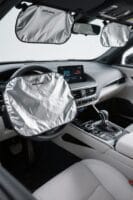

Cost is often the first question. Readers learn that sun shades cost roughly $2 to $10 per square foot, making them a low-cost choice for shaded parking. They cut UV exposure and can lower interior temperatures by up to 40 degrees, protecting vehicles and passengers. Installation is simpler than for covered parking and usually needs fewer permits. But sun shades lack the structural benefits required for mounting solar panels, so they rarely become energy-generating assets. Durability can be lower; canopies may not survive severe storms without extra support. Maintenance is generally cheaper than for full structures. Want shade fast and cheap? Sun shades work. Want long-term structure or solar? Consider a sturdier covered parking solution. Many drivers choose custom-fit or high-density fabric shades designed for specific vehicles to maximize UV protection and longevity.
Financial Breakdown of Covered Parking Structures

Sun shades are cheap and fast, but covered parking brings more complex finances. Covered parking structures cost about $3.17–$3.99 per watt to install in 2026. That’s 50–100% more than rooftop Solar, so budgets need honest scrutiny. Payback periods run 7–12 years, depending on local energy costs, solar potential, and incentives. What offsets that higher price? Revenue generation from premium Parking fees, electric vehicle (EV) charging stations, and selling RECs. Long-term gains include reduced weather damage, higher property value, and lower insurance. Think of it as a slow-growing tree: takes time, then shade and fruit. Rutgers’ 8.01 MW canopy shows large-scale success. Will your site justify the wait? Crunch the numbers. A properly fitted windshield shade can also help maintain vehicle interiors by blocking heat and UV rays up to 99% UV.
Energy Opportunities: Solar Canopies and Revenue Streams
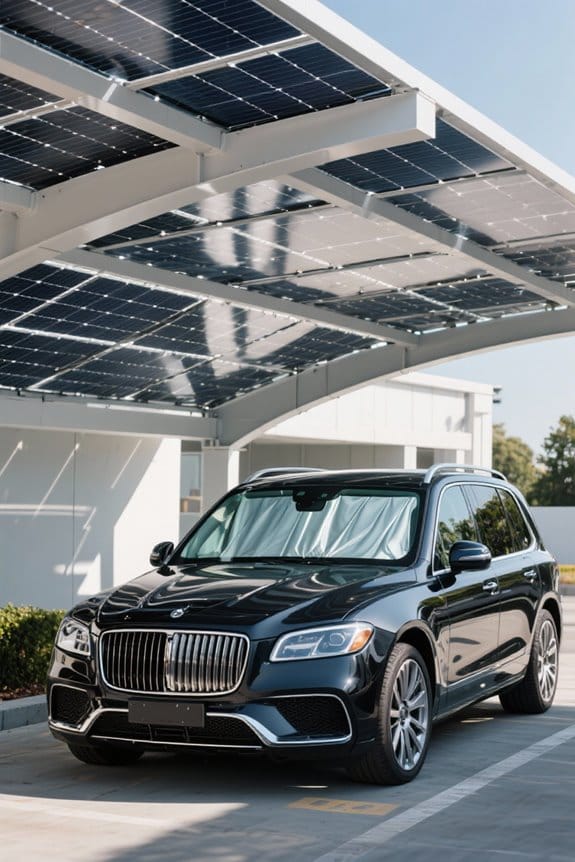
When parking lots get a roof, they stop being just asphalt and start earning money. Solar canopies can generate 1 MW and cut 750–900 tons of CO2 yearly. A 1 MW field produces solar power roughly 1,200 MWh annually. Owners see reduced energy bills and payback in about 7–12 years. Add EV charging stations and charge premium parking fees. Sell RECs or wholesale energy for additional revenue. The 30% solar tax credit boosts financial feasibility through 2032. For commercial buildings a canopy can return 2–4× the investment over 25 years. Imagine shaded cars, lower bills, and a small income stream. Who wouldn’t like shaded parking that also behaves like a mini power plant? Many owners also pair canopies with protective measures like sun shades to improve occupant comfort and reduce interior heat build-up.
Environmental and Operational Trade‑Offs
Although a covered lot can feel like a protective umbrella, solar canopies act more like a small power plant on stilts. Solar Parking Canopies cut 750–900 tons of CO2 emissions per 1 MW annually. That reduces heat and improves air quality. They also blunt the urban heat island effect. Covered parking costs 50–100% more than rooftop solar. But it gives clear operational benefits: vehicle protection and possible premium parking fees. Solar canopies save energy and tap renewable energy incentives. Typical payback period ranges 7–12 years. What is the right cost analysis? One tester joked, “It’s a roof that pays rent.” You get shade, power, and long-term savings — at measurable, realistic prices and timelines. Many facility owners also consider vehicle protection benefits when choosing between covered parking and solar canopies.
Choosing the Right Option for Your Property
After weighing environmental and operational trade‑offs, property owners face a clear choice: a simple covered lot or a solar canopy that doubles as a small power plant. A basic covered parking bay costs roughly $40–$80 per square foot. Solar canopies run 50–100% higher, often $60–$160 per square foot, but generate renewable energy and shorten the payback period to 7–12 years. Covered parking boosts property values and offers vehicle protection, cutting insurance premiums and maintenance. Solar canopies meet compliance like Sacramento’s 50% shade rule and aid urban heat reduction. Which fits you? If you want immediate savings and simplicity, pick covered parking. If you want sustainability efforts plus income, pick solar canopies — think shaded lot that pays rent. Custom-fit sunshades can complement either option by providing UV protection for vehicle interiors and helping reduce heat buildup.
Frequently Asked Questions
Does Parking in the Shade Help?
Yes — parking in shade cuts interior temperatures up to 40°F; shade benefits include heat reduction, UV protection, improved comfort level, vehicle longevity, energy savings, lower maintenance costs, potential insurance rates and resale value boosts, plus positive environmental impacts.
What Is a Solar Cost-Benefit Analysis?
A solar cost-benefit analysis quantifies solar savings by comparing installation costs, maintenance expenses, tax incentives, government grants, and return on investment, while evaluating energy efficiency, environmental impact, community benefits, sustainability goals, and long-term economic viability.
Are Parking Structures Profitable?
Yes. It yields profitability when parking revenue and pricing strategies exceed construction expenses and maintenance costs; space utilization, location factors, insurance implications, regulatory considerations, customer preferences, and environmental benefits all influence returns and investment viability.
What Is the Difference Between Open Parking and Covered Parking?
Open parking differs by offering open parking benefits like lower cost efficiency and simpler maintenance costs; covered parking advantages include weather protection, vehicle damage prevention, UV exposure reduction, improved thermal comfort, aesthetics comparison, investment considerations and potential revenue.


