As an Amazon Associate, we earn from qualifying purchases. Some links on this site are affiliate links at no extra cost to you. Our recommendations are based on thorough research and editorial judgment.


How Metallized Film Technology Blocks Solar Heat

Metallized window film uses microscopic metal layers—aluminum, silver, or titanium nitride—to act like a miniature mirror for heat. It reflects up to 99% of infrared and cuts solar heat gain about 20–40%. Typical rolls run $50–$200; material costs $2–6/ft² and pro install $6–12/ft². It also blocks >99% UV, cools rooms, and protects fabrics. Think of it as sunglasses for glass—want to see how it’s made and measured?
Key Takeaways
- Metal particles embedded in the film reflect incoming infrared and visible solar radiation before it enters the glass.
- A thin metallic layer acts like a miniature mirror, sending heat energy back outside rather than absorbing it indoors.
- High-reflectivity metals (aluminum, silver, titanium nitride) can block up to 99% of infrared heat and most UV.
- Multi-layer films combine metal and dielectric coatings to reduce solar heat gain while preserving visible light.
- Professional sputtering or vapor-deposited metal layers create durable, uniform coatings for long-term solar rejection.
What Metallized Window Film Is and How It Works
You may be interested


Although it looks like a thin sheet of plastic, metallized window film behaves more like a miniature mirror for heat. Metallized window film contains tiny metal particles in a polyester layer. It reflects solar heat and blocks up to 99% of infrared radiation. Think of it as sunglasses for windows. Typical films cost $50–$200 per roll, and installation runs $100–$300 per pane. The result is clear heat rejection and cooler rooms. Visible light still passes through, so rooms stay bright. UV radiation is greatly reduced, protecting fabrics and skin. Owners notice reduced strain on the air conditioning system and measurable energy savings. Want proof? Testers report 5–15% lower cooling costs in mild climates. Practical, not flashy. Many homeowners pair metallized films with high-density reflective materials like those used in premium automotive sunshades to further reduce interior temperatures.
The Role of Metal Particles in Reflecting and Absorbing Solar Energy

When sunlight hits a window fitted with metallized film, tiny metal particles — often aluminum, silver, or titanium — act like microscopic mirrors, bouncing much of the sun’s infrared heat back outside. The metal particles sit as a thin layer on window glass. They reflect up to 99% of infrared heat while absorbing some wavelengths, so rooms stay cooler. Imagine a tiny army of mirrors and sponges working together. Typical films cost $10–$50 per roll, and installers report 20–40% lower solar heat gain in tests. You save on energy costs and run the AC less. A tester joked, “It’s like sunglasses for your house.” Practical, measurable, and safe, metallized films also stiffen window glass for added protection. Many homeowners also appreciate the UV and heat protection metallized films provide, helping preserve interior materials.
Fabrication Methods: Vapor Deposition, E‑Beam, and Sputtering

Because the metal layer makes all the difference, manufacturers use three clear-cut methods to put that mirror on polyester film: vapor deposition, e‑beam, and sputtering. Vapor deposition heats metal until it vaporizes, forming a thin uniform layer of metallic particles on a polyester base. E-beam deposition uses an electron beam to melt metals precisely; it accepts more metal types and yields tighter solar heat control. Sputtering fires charged gas to chip metal free, creating durable coatings that boost heat rejection. Together they block much infrared radiation, keeping interiors cooler by several degrees. Costs vary: basic rolls start near $0.50/ft²; specialty films run $2–$6/ft². Want measurable results? Test a sample in direct sun for 15 minutes. Many automotive sunshades and visors, like custom-fit Autotech and foldable Park designs, use metallized films to improve thermal insulation and comfort with quick installation.
Recommended Products

【DAYTIME PRIVACY & ONE WAY MIRROR EFFECT】Enjoy enhanced daytime privacy without sacrificing natural light. This reflective one way window film creates a mirrored exterior appearance that helps limit unwanted views into your home while allowing you to maintain a clear outdoor view. Designed to create a see out not in effect during daylight hours, it is ideal for street-facing windows, bedrooms, living rooms, apartments and offices. For nighttime privacy, close curtains when indoor lighting is brighter than outdoor lighting.

2026 Updated Backing Grids: Our window tint for home has been upgraded to the latest version! There are 1 inch grids on the backing for you to cut it easily. Now you can complete the installation more easily!
Titanium Nitride and Other Metal Coatings: Performance Differences
After outlining how metals get onto polyester, the conversation now shifts to what the metal itself actually does on the glass. Titanium nitride stands out in metallized window films. It can reject up to 99% of infrared heat energy, keeping rooms cooler and lowering energy consumption. That’s real solar control. TiN also blocks over 99% of UV protection‑threatening rays, so furniture lasts longer. Tests note a lower solar heat gain coefficient versus cheaper metals. Coating adds enhanced durability and a scratch-resistant surface, too. Other metals reflect well but may not absorb excess heat like TiN. Want a rule of thumb? Expect TiN films to cost more—roughly $2–$6 per square foot installed—but save on cooling bills. “Feels like a shaded porch,” a tester joked. This technology also benefits vehicle interiors by reducing glare and protecting upholstery through heat insulation.
Recommended Products
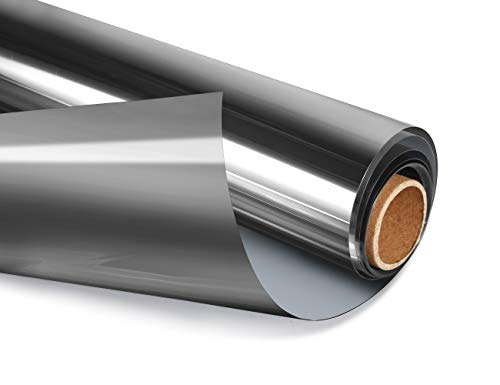
UV BLOCKING & HEAT CONTROL – This anti-glare reflective window film is designed to sun blocking and keep out 90% of harmful UV rays and 85% of infrared rays which can damage the eyes and the skin. Heat insulation window tinting film for home can save energy for intense summers, and provide coverage year round thus reducing expensive heating and cooling costs for your home.

【UV Protection】Continuous exposure to the sun will cause high room temperature, aging furniture, and sunburn on the skin. Heat insulation film that can block 99% of UV and 80% of IR.It can perfectly solve this problem, and you will have a feeling of visibly cooler after use. It can also save your air-conditioning electricity bill. The free tools are inside of the paper tube

One-Way Daytime Privacy: See out, not in! When sunny, the reflective surface keeps outsiders from seeing in while maintaining your crystal-clear view to see out. NOTE: Reflective effect reverses at night with lights on - use curtains for privacy
Measuring Heat Rejection: SHGC, Infrared Rejection, and Visible Light Transmission
Think of SHGC as the window’s heat score. SHGC tells how much solar heat gain passes through glass. Lower numbers mean better heat control and less cooling work. Metallized films cut that score noticeably. Some products list SHGC reductions from 0.70 to 0.35, for example. They also boast infrared rejection over 99% in lab tests. That keeps hefty IR out while preserving natural light. Visible light transmission (VLT) stays usable — 35–70% in many solar film lines — so rooms don’t turn into caves. Want data? A tester joked, “It’s like sunglasses for your house.” Prices are often $4–$12 per square foot installed, depending on film. Practical, measurable gains, clear numbers, and easy comparisons make choices straightforward. Many metallized films also incorporate durable reflective polyester layers that enhance longevity and UV protection.
Benefits for Buildings and Vehicles: Comfort, UV Protection, and Energy Savings
While metallized window films quietly sit on the glass, they work like sunglasses for whole rooms and cars. Metallized films and solar protection film block up to 99% of harmful UV protection rays, keeping upholstery from fading. They also reject up to 99% of infrared, reducing solar heat and cutting interior temperatures by several degrees. Expect energy savings up to 30% in buildings and noticeable fuel economy gains in vehicles. Installers quote $8–$15 per square foot installed, depending on film grade. Want less glare and stronger comfort? These films reduce glare and let natural light to pass, preserving views while making spaces calmer. Who doesn’t like lower cooling costs and a more comfortable indoor environment? Many homeowners pair film installation with thermal performance improvements to maximize savings and comfort.
Recommended Products

Heat Control, Energy Saving: This window tint reflects 91% infrared rays to cut glass heat transfer, proven to noticeably reduce room heat for hot south/west-facing windows. It keeps rooms cool in summer and retains warmth in winter, reducing excess AC consumption for improved energy efficiency. Note: Do not apply on double-pane windows exposed to prolonged sunlight
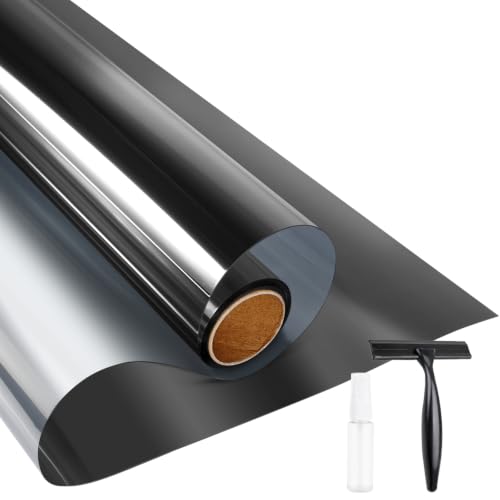
UV BLOCKING & GLARE CONTROL: KESPEN sun blocking window film can effectively block 82% of infrared rays and 90% of UV rays which may hurt your skin, prevent your precious furniture and interior decorations from fading. 12% VLT means that some visible light can enter the room, not only to block the harsh light and reduce glare, but also to maintain your good view
ONLY DAYTIME PRIVACY PROTECTION: This one way window film provides superb privacy during daytime, the mirror reflection of privacy control window film allows others to not see any interiors from the outside, effectively protecting your private space. But when inside light is stronger than outside, loss of light difference, such as the lights turning on, the mirror effect will disappear and will be seen from the outside. So at night with this mirror tint, it is necessary to draw the curtains
Choosing the Right Metallized Film for Climate, Orientation, and Glass Type
Because climate, orientation, and glass type change how much sun a room gets, choosing the right metallized film starts with a quick checklist. In hot climates pick films with high infrared rejection—up to 99%—to cut solar heat gain and lower cooling bills. South- and west-facing panes need stronger reflective properties; think 70–90% visible light reflection for tough sun. Check glass type compatibility: tempered or low-E specific films preserve clarity and boost energy efficiency. Compare Solar Heat Gain Coefficient numbers: lower SHGC means better heat control. Prices vary: expect $3–8 per sq. ft. for quality film. Want proof? A tester joked, “It’s like sunglasses for windows.” Simple, measurable choices make rooms calmer and cooler. Consider also using specially designed sun shades for vehicles like the Hyundai Kona to further reduce interior temperatures and block UV damage.
Recommended Products

Stop Closing Curtains All Day: Turns your windows into a one-way mirror during daylight: nosy neighbors, passersby and delivery drivers see only their reflection, while you enjoy crystal-clear views of birds, trees and the outdoors. Note: Draw curtains at night for full privacy when indoor lights are on. Perfect for ground-floor homes, street-facing bedrooms and busy offices
ONLY DAYTIME PRIVACY PROTECTION: This one way window film provides superb privacy during daytime, the mirror reflection of privacy control window film allows others to not see any interiors from the outside, effectively protecting your private space. But when inside light is stronger than outside, loss of light difference, such as the lights turning on, the mirror effect will disappear and will be seen from the outside. So at night with this mirror tint, it is necessary to draw the curtains

TOTAL BLACKOUT WINDOW FILM: This window film effectively blocks out 100% UV rays and sun light, protects your skin from sun exposure, prevents your furniture from fading, and keep a comfortable home environment. Black window film offers a high level of privacy and provide double-sided privacy protection at all day, makes your room in completely dark as night, perfect for those who need daytime sleep and complete privacy
Installation Considerations, Durability, and Maintenance
A few simple steps make installation go smoothly and keep the film working for years. Professional installation guarantees ideal bonding: glass is cleaned to within 0.1 mm of visible dust, film positioned precisely, and bubbles removed. Metallized films add durability and feel solid, with a scratch-resistant hard layer rated to resist everyday keys and pets. They cut cooling costs noticeably — expect 10–30% lower AC load in many homes. Maintenance is easy: mild soap and water, no ammonia. Can you do it yourself? Yes, but pros charge $6–12 per sq ft and avoid costly mistakes. External fitting gives most effective solar heat blocking. The film also improves shatter-resistance. Tester notes: “Looks sleek, holds up.” Practical, safe, and cost-effective. Many homeowners also choose custom-fit shades for vehicle and window applications to maximize coverage and UV protection.
Recommended Products

Year-Round Energy Efficiency: Our advanced 87% infrared blocking tech insulates heat in summer and retains warmth in winter, keeping your indoor temperature comfortable all year long. Cut down on heating and cooling costs with this heat-blocking window tint—stay cool, stay warm, and save smart

[DAYTIME PRIVACY & SEE OUT NOT IN] - Stop hiding behind dark, claustrophobic blinds. Our upgraded one way privacy window film creates a premium reflective mirror tint effect, shielding your personal space from neighbors while maintaining a crystal-clear outdoor view. As a premium window privacy film see out not in solution, it is perfect for home windows, glass doors, apartments, and home offices. (Important Note: The mirror effect reverses at night; please close curtains for privacy.)

Note: 1. The protective film shall be removed before installing. 2. Please remove all excess water & bubbles in the end of installation steps. 3. The free tools are inside the paper tube.4. The frosted glass film can’t be used in frosted glass, cut glass and all of processed non-smooth surface glass.
Frequently Asked Questions
What Tint Is Best for Blocking Heat?
Upfront: 99% infrared blockage is achievable. The best tint combines reflective coatings and metallized films for superior heat reduction, balancing solar performance, UV protection, film durability, tint options, energy savings, window aesthetics, and color choices.
Does 35% Tint Reduce Heat?
Yes, a 35% tint provides notable heat reduction. It ranks among tint options balancing UV protection, energy efficiency, aesthetic appeal, and color impact; installation process, legal regulations, and cost factors influence final performance and choice.
How Do the Special Window Technologies Prevent Heat Loss and Heat Absorption?
Window films use reflective coatings and reduced light transmission to limit heat absorption while providing thermal insulation and heat retention; they deliver UV protection, glare reduction and improved energy efficiency, enhancing residential comfort and lowering energy use.
What Is the Disadvantage of Window Film?
The disadvantage is that window film can compromise heat rejection and glare reduction tradeoffs, creating visibility concerns, installation challenges, warranty limitations, aesthetic impact, environmental effects, maintenance requirements, and legal restrictions that users must weigh carefully.


