As an Amazon Associate, we earn from qualifying purchases. Some links on this site are affiliate links at no extra cost to you. Our recommendations are based on thorough research and editorial judgment.


Garage Parking Vs Sun Shade Use: Long-Term Comparison

Garage parking wins for long‑term car health. It cuts cabin swings by about 20–30°F versus a sun shade and blocks up to 99% of UV, protecting paint and dash. Tires last 10–20% longer and rust risk drops. A $20 sun shade helps short trips, but a $40–$150 weatherproof cover or garage gives real hail and theft protection. Want measurable savings and fewer surprises on resale? Keep going and learn how.
Key Takeaways
- Garage parking offers superior protection against temperature swings, UV damage, moisture, and physical hazards compared to sun shades.
- Sun shades lower cabin temperatures by ~20–30°F but don’t shield paint, trim, or undercarriage from UV, moisture, or debris.
- Long-term garage storage extends tire, battery, and paint life significantly more than intermittent sun-shade use.
- Sun shades are low-cost, portable interim protection; garages provide ongoing security and often lower insurance premiums.
- If a garage isn’t available, combine sun shades with a full weatherproof car cover and shaded parking to approximate garage benefits.
Why Vehicle Performance Benefits From Garage Parking
You may be interested

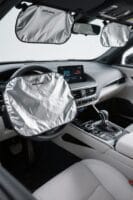

A cold garage feels like a sweater for a car: it protects the battery, tires, and finish without drawing attention. Garage parking cuts temperature swings by 20–30°F compared with street exposure, so batteries avoid heat-driven fluid loss and cold-related failures. Tires last longer too; UV-blocking saves an estimated 10–20% of tread-life versus outdoor parking. Moisture drops inside a closed garage, lowering rust risk on brakes and body seams. Climate-stable air means the A/C and heater cycle less and reach set temperature faster—often in under two minutes. You can still use a car shade for quick sun bursts, but full-time garage storage yields measurable performance gains. “Feels like giving the car a day off,” says one tester. Want fewer surprises? Park inside. Newer vehicles also benefit from custom-fit sun shades that block up to 99% of harmful UV rays and reduce cabin heat by 30–40°F.
How Garage Parking Protects Your Car’s Cosmetic Condition

When cars live inside a garage, their looks stay fresher for years. Garage parking shields paint from sun and pollutants, cutting fading and discoloration by noticeable margins. Imagine a $25 microfiber cover versus a $150/month enclosed space: the garage wins for long-term value. It also prevents hail dents and falling-branch scratches to exterior components like mirrors and trim. Interior items fare better too; dashboards and upholstery avoid UV cracking when kept inside. Tires dry-rot less, extending safe service life by months or years depending on climate. Studies note smaller temperature swings in garages — a clear cosmetic advantage. Want proof? A tester laughed, “My coupe still turns heads.” High-quality windshield sun shades can also help reduce interior temperatures and protect materials by blocking up to 99% of UV and reflecting heat.
Security Advantages of Storing a Vehicle in a Garage

Although out of sight, a car parked inside a garage is far less likely to be grabbed or vandalized, because a closed 7-by-8-foot door and solid walls are real physical barriers. Parking in a garage cuts theft risk sharply. Garages hide vehicles from prowlers’ view and force burglars to work harder. Insurers notice: policies can drop by 10–20% for garage-kept cars. Add a $150 door sensor or a $300 camera and protection improves further. Garage security also thwarts smash-and-grab attempts that take seconds on the street. Who wants to gamble on a quick crime? Many apartment garages include guards or cameras, too. Testers joke that a locked garage is like a moat. Practical, measurable, affordable safety. A covered interior also reduces UV exposure to interior surfaces, helping prevent fading and heat buildup over time.
Sun Shades Vs Garage: Heat Management and Interior Protection
Because garages cut direct sun and trap far less heat, they keep dashboards and steering wheels from turning into hot plates. A typical dashboard in sun can exceed 192°F, while a garage cuts that dramatically. For heat management, a $20 reflective sun shade may lower cabin temps by only a few degrees. A one-car garage stops daily swings and often keeps interiors 20–40°F cooler. For interior protection, garages block UV and debris that ruin upholstery and paint over years. Think of a garage as a gentle vault for your car. One tester joked, “No more oven-seat surprises.” Want longevity? Garages win. Sun shades help for quick stops, but they don’t match the measured benefits of garage storage. Sun shades can block up to 99% of UV when built with high-quality reflective materials.
Recommended Products

Enhanced Sun Protection: Shield your vehicle from harmful UV rays with EcoNour windshield sunshade and car window shades. Made from premium 240T polyester, this car sun shade windshield acts as a sun shade protector, blocking heat to keep your dashboard, seats, and interior cooler. A reliable sun visor for car windshield and sun cover for car windshield for everyday driving.

Protects Your Car Interiors: EcoNour’s car window shades act as a reliable window sun blocker, protecting your dashboard, seats, and other interior accessories from harmful UV rays. This durable heat shield automotive ensures long-lasting protection and is super convenient to use.

Ultimate Sun Protection with Accordion Design: EcoNour Accordion Car Windshield Sun Shade is engineered with a reflective aluminum foil surface that acts as a powerful sun blocker for car windshields. This accordion sunshade for car windshield offers maximum UV ray protection, helping prevent dashboard fading, cracking, and heat buildup.
Effects of Weather and Road Salt on Outdoor-Parked Vehicles
While a car left under the open sky might seem fine for a day, long-term exposure gnaws at metal and trim like slow vinegar on a penny. Outdoor-parked vehicles face UV fading, rain pits, and hail dents. Road salt, at roughly 20–30% chloride by weight on treated roads, speeds rust; U.S. annual rust costs top $3 billion. Tires, brakes, and batteries wear faster from moisture and grime. One tester joked, “Salt eats bolts like bread crumbs,” and laughed nervously. Expect battery failure in extreme cold and fluid loss in 100°F heat. Frequent 20–30 minute washes and a $15 spray-on protective wax can help. So what’s the trade-off? It’s visible paint fade, creaks, and costly panel repairs down the road. Adding a quality sunshade with double-layer heat shield can significantly reduce cabin temperatures and UV damage over time.
Long-Term Storage Best Practices for Garage and Outdoor Situations
The rust and sunburn described earlier set up a clear choice: keep a car in a garage or protect it outdoors. A garage offers steady temperatures and shelter. Batteries last longer; brakes resist cold-induced corrosion. Paint and interiors avoid UV fade. Think $0 monthly, insulated walls, 12×20 feet space—simple, effective. For outdoor storage, a weatherproof car cover costing $50–$150 helps, and sunshades block dashboard heat spikes of 25–40°F. Wash every 4–6 weeks to remove pollutants and road salt. Follow the manufacturer maintenance schedule; change fluids and start the engine monthly. Check tires for dry rot and inflate to rated PSI. Tester note: “It’s like sunscreen for your car,” one owner joked. Consider a high-quality, reflective sunshade that can block up to 99% of UV rays to better protect interiors during long outdoor storage.
Pros and Cons of Car Covers, Carports, and Shade Structures
Protection is a practical choice. Readers learn that a $30 car cover can block rain and dust but poor fit may scratch paint over time. Covers work short-term; long-term use needs cleaning and careful fits. Carports cost $500–$3,000 for basic kits and give solid weather protection with easy access. They lack garage-level security, though they beat open parking. Shade structures reduce interior heat by 6–10°C and block UV; combined with sunshades they’re like sunglasses for a car. But shade posts and fabric cost money and offer limited theft deterrence. Which to pick? Think about daily use, budget, and risk. “It’s like choosing armor,” a tester joked. Practical maintenance wins over fancy promises. Custom-fit sun shades can further lower cabin temperatures and block up to 99% of harmful rays when matched to a vehicle’s dimensions, making them a worthwhile upgrade for long-term protection custom fit.
Insurance, Resale Value, and Financial Impacts of Parking Choices
Money matters, and where a car sleeps can change your wallet. Parking in a garage often trims insurance costs. Insurers note lower theft and weather claims. Savings can reach hundreds of dollars a year. Garage-kept cars also protect paint and interiors. That boosts resale value — sometimes up to 20% more than regularly outside. Imagine a used sedan selling for $15,000 — garage care might add $3,000. Outdoor sun exposure can shave as much as 15% in three years. Attached garages also nudge home values higher. So what should you weigh? A $300 yearly premium cut? A $2,000–$3,000 resale gain? Those numbers add up. Tester: “It felt like buying peace of mind.” Custom-fit sunshades provide added protection for interiors and can further reduce UV and heat damage when garage space isn’t available, especially with double-layer construction for superior insulation.
Recommended Products

2X Heat Blocking with Double-Layer Design: Unlike standard single-layer sunshades, Magnelex uses dual 240T reflective layers for superior heat rejection and UV protection. Stay cooler, protect your interior, and feel the difference every time you enter your car.

2X Heat Blocking with Double-Layer Design: Unlike standard single-layer sunshades, Magnelex uses dual 240T reflective layers for superior heat rejection and UV protection. Stay cooler, protect your interior, and feel the difference every time you enter your car.

Superior Heat & UV Protection: Keep your vehicle cool with the EcoNour windshield sunshade. This premium car sun shade windshield blocks harmful UV rays and heat, acting as a reliable sun shade protector and sun blocker for car windshield to help protect your dashboard, seats, and interior from sun damage.
Practical Tips for Drivers Without Access to a Garage
Garage parking can add thousands to resale value, but not everyone has that luxury—so what can drivers do instead? Drivers should think like caretakers. A weatherproof car cover rated for UV and waterproofing, $40–$150, shields paint and trims. A reflective windshield sun shade lowers cabin temps by 20–30°F and stops dash cracking. Parking Your Car under a tree? Watch sap and bird droppings; wash weekly in salty climates to prevent corrosion. Think maintenance: follow the owner’s schedule for fluid checks and rust inspections. Imagine a coat for your car — that’s what a cover is. Some testers joke, “It’s like sunscreen for cars.” For those dreaming of a Car in a Garage, these steps narrow the gap. Many quality sun shades block up to 99% of UV to help preserve interiors and prevent fading.
Frequently Asked Questions
Do Cars Parked in Garages Last Longer?
Yes, cars parked in garages typically last longer — as if granted VIP treatment. Evidence shows improved car durability and reduced maintenance costs, since protection from elements curbs wear, corrosion, and interior fading over time.
Is It Better to Keep a Car in the Garage or Outside?
Keeping a car in the garage is preferable; it preserves car value and provides superior paint protection, reduces theft risk, stabilizes temperature, and prevents weather-related wear—advantages a sunshade alone cannot fully replicate long-term.
How Much Warmer Is a Garage Than Outside in Winter?
Like a warm blanket, garages typically run about 20 to 40 degrees warmer than outside in winter. The temperature difference stems from garage insulation, sheltering vehicles from frost, ice, rapid fluctuations, and corrosion risks.
How Long Can a Car Sit in a Garage Without Being Driven?
A car can typically sit in a garage without being driven for several weeks to a few months if garage conditions are stable and proper car maintenance is performed: periodic starts, tire inflation, fuel stabilizer, oil change, and cleanliness to prevent deterioration.


