As an Amazon Associate, we earn from qualifying purchases. Some links on this site are affiliate links at no extra cost to you. Our recommendations are based on thorough research and editorial judgment.


Common Sun Shade Installation Mistakes to Avoid

Homeowners often pick the wrong size or flimsy fixings and pay for it later. Measure twice; rectangles cover patios up to 12 by 16 feet and cost $120–$250, triangles start near $40. Install sails with a 2–6% slope so water runs off instead of pooling like a lazy hammock. Use metal posts sunk one-third deep, $60–$150 each, and stainless fixings $10–$25. Skimping on UV-rated fabric shortens life. Want practical tips next?
Key Takeaways
- Measuring incorrectly or choosing the wrong size/shape, causing gaps or overhangs that reduce shade effectiveness.
- Installing sails too flat or without a 2–6% angle, which causes water pooling and debris buildup.
- Using inadequate posts or shallow foundations, leading to instability or post failure in wind.
- Selecting poor-quality fabric with low UV protection, shortening lifespan and increasing sun exposure risk.
- Relying on weak or corroded fixings instead of stainless/galvanized hardware rated for the load.
Measuring and Choosing the Wrong Size or Shape

You may be interested


Measurement matters. A homeowner learns this fast when measuring for shade installation; visual guesses give wrong size results. Accurate measurements mean noting length, width, and safe attachment points. Choose shape wisely: rectangular sails cover patios up to 12 by 16 feet and sell for about $120–$250, while triangular shapes fit corners and start near $40. Pick the wrong shape and gaps appear, like bad teeth in a smile. A slightly larger sail prevents sun leaks and improves proper coverage. Testers joke, “It’s not origami,” when folding a too-small panel. Want an aesthetic fit? Measure twice, mark posts or trees, and compare dimensions on the product tag. That small step saves money and headache later. For optimal heat and UV protection, consider materials that offer double-layer insulation to reduce interior temperatures and block harmful rays.
Recommended Products

High-Quality Construction: Made with 185 gsm high-density polyethylene (HDPE) shade fabric; features well-stitched seams and sturdy stainless steel D-rings in each corner for lasting durability

【About Installation】Please refer to the diagrams before purchasing. To ensure you buy the correct shade sail, you need to leave 0.5-1 ft of space for accessories to avoid buying an oversized shade
Installing Sails Too Flat or Without Proper Angle

A sagging shade sail looks like a tired hammock after a long weekend and it behaves the same—pooling water and collecting leaves until seams give. Installing shade sails too flat invites sagging sails, water pooling, and faster wear. A 2–6° installation angle with one corner 30–60 cm higher fixes water runoff and keeps fabric taut. Consider the sun’s direction and peak sun hours so shade covers seating at noon and late afternoon. Proper installation preserves structural integrity and prevents inadequate shade. Regular adjustments—tighten turnbuckles monthly—extend life. Tester quote: “It sagged after the first storm; a 50 cm raise saved it.” Prices: quality stainless fittings run $25–60 each. Who wants a wet, floppy canopy? Not you. Choosing higher-density fabrics like 250T reflective fabric can improve durability and heat resistance.
Using Inadequate Posts or Incorrect Post Depth
Once the sail is tightened and angled correctly, attention must turn to what holds it up. Using inadequate posts causes stability issues and ruined weekends. Metal posts cost about $60–$150 each and beat thin wood for wind resistance. Aim for post depth of at least one-third the post length. For an 8-foot post, bury about 2.5–3 feet and use concrete anchoring—one 80 lb bag at roughly $6 does the job. Incorrect measurements or skinny poles invite sagging, tilting, or collapse. Choose durable materials and inspect anchor points every season. Tester notes: “I learned the hard way—shaky poles sound like bad drums in storms.” Want a safe sail? Prioritize structural integrity and sensible hardware. High-quality materials like UV reflective fabrics are equally important for long-term protection of nearby structures.
Recommended Products

Shade Sail Pole Introduction:12-foot adjustable height: Each sunshade pole is composed of 4 modular parts, allowing you to adjust the final height to a maximum of 12 feet. Additionally, the top of our poles is equipped with three fixed points, facilitating your free suspension of the sunshade pole, adding practicality and personalization to your outdoor space while ensuring the stability and reliability of the sunshade pole's support.

Screw-in Shade Sail Poles: Recognizing the challenges associated with traditional sun shade pole installation, we've developed a screw-in shade sail pole. Designed to be screwed into the ground over 33 inches, it ensures enhanced stability and durability. This innovative approach eliminates the need for expansion screws or rebar cages, making it easier and more convenient to prepare for summer shade.

【Spiral Grounding Structure】Our shade sail poles boasts an innovative spiral grounding design, ensuring deeper stability. In addition, the newly upgraded stainless steel avoids bending. We recommend embedding the Miveda sun sail poles in the ground at 34 inches.
Selecting Poor-Quality Fabric or Insufficient UV Protection
Longevity matters. Choosing a shade made from poor-quality fabric can mean a 1–5 year life. High-quality options last 5–15 years, and that difference saves money. Want protection? Look for sails certified for UV protection, not just color. Dark fabric shades block more sun and absorb UV better than pale ones. Insufficient UV protection lets harmful UV rays through, raising skin cancer risk for frequent outdoor users. Fabric that fades fast will fray and need frequent replacements — a pricey mistake like buying $50 shades that behave like tissue paper. “Feels sturdy,” a tester joked about a $200 sail; the numbers proved it. How much do you value real shielding? Choose certified, durable cloth and check UV ratings before buying. The best protection is a custom-fit shade designed for specific models like the BMW iX M60, which also helps preserve interior materials and reduce heat buildup custom-fit design.
Recommended Products

【2-3 Years Service Life】Refuse to use recycled materials, tear resistant, high temperature resistance, glossy, safe and odorless, lightweight and durable.
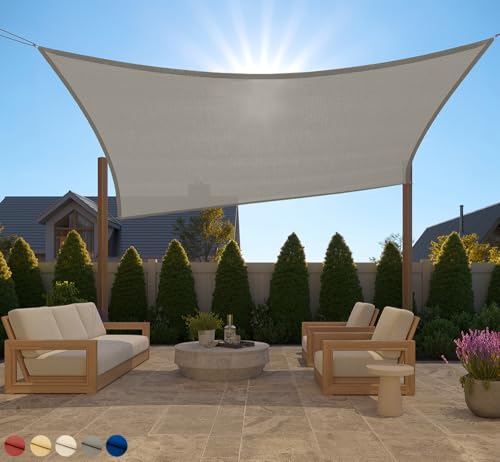
UP TO 87% SHADE AND UV RESISTANT: Gorilla Grip Shade Sails will transform your patio; the thick material is UV resistant and provides up to 87 percent shade; helps you stay protected and comfortable in bright sunlight

【UV Protection & Cooling】Made of 100% brand new High Density Polyethylene material and eliminate the use of splicing fabrics.Blocks up to 95% of harmful UV rays and direct sunlight exposure."Breathable" fabric allows air to pass freely and achieve a certain degree of cooling.
Relying on Weak or Unsuitable Fixings
Choosing a top-grade sail fabric won’t matter if it’s hung on cheap hooks. Many homeowners rely on weak fixings or unsuitable fixings and then wonder why a sagging shade sail appears after a storm. Standard garden hooks cost $2–$5 each and often fail under tension. Heavy-duty, weatherproof fixings made from galvanized steel or stainless steel, priced around $10–$25 per anchor, resist rust and heavy loads. Installers should follow manufacturer installation requirements: know the sail weight, anchor spacing, and safe working load. A fallen sail risks structural failure and loss of protective effectiveness. Inspect fixings yearly and replace corroded parts. Want peace of mind? Use rated turnbuckles and ask a pro for torque specs. A tester joked, “Cheap hooks fold like laundry.” Properly rated anchors can also help maintain the structural integrity of your installation.
Recommended Products

Heavy Duty & Premium 304 Stainless Steel: Our shade sail hardware kit is crafted from high-quality 304 marine-grade stainless steel, delivering exceptional strength, durability, and corrosion resistance. Every component—from turnbuckles to wire ropes—is built to withstand harsh outdoor conditions, ensuring long-lasting, rustproof performance. The sleek silver finish is neutral and versatile, blending seamlessly with any patio, garden, or outdoor decor.
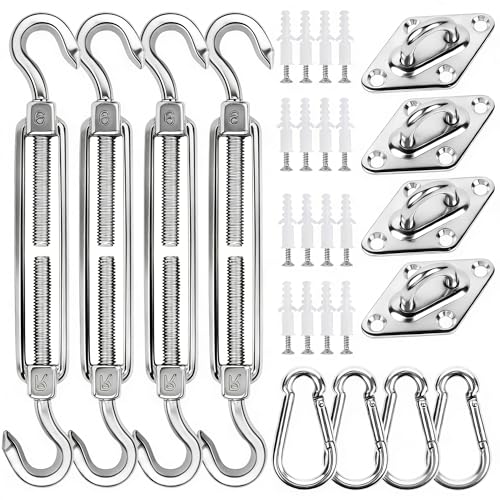
All-in-One Sun Shade Sail Hardware Kit: Our complete shade sail hardware kit includes everything you need for easy installation: 4 turnbuckles, 4 snap hooks, 4 pad eyes, 16 screws, and 16 expansion anchors. Ideal for sun shades outdoor patio, pergolas, awnings for patio, and outdoor sails for shade waterproof.

All-in-One Sun Shade Sail Hardware Kit: Our complete sunshade hanging kit includes everything you need for easy installation: 4 turnbuckles, 4 snap hooks, 4 pad eyes, 16 screws, and 16 expansion anchors. Ideal for sun shades outdoor patio, pergolas, awnings for patio, and outdoor sails for shade waterproof.
Ignoring Maintenance, Weather and Local Regulations
Neglected shade sails age fast; like an untended garden they start to sag and fray. Regular maintenance pays off: a $20 brush and mild soap used monthly cuts wear and tear. Check anchor points every three months. Loose bolts and 10–15 mm corrosion mean replacement. Consider weather conditions before installing. Strong winds and heavy rain can rip a 3×4 m sail unless properly tensioned and anchored. Who wants to replace a $150 panel after one storm? Know local regulations too. Some towns require permits or set height limits. Ignore that and fines follow. Plan for seasonal weather patterns so sun safety isn’t accidental. Extreme weather calls for temporary removal. A tester joked, “Treat it like a pet — feed, check, and shelter it.” Also, choose durable materials like 300T polyester to extend service life and resist UV damage.
Frequently Asked Questions
What Are the Problems With Shade Sails?
Shade sails present problems like improper shade sail types, poor fabric quality, wrong installation angle, weak attachment points, limited weather resistance, unclear maintenance tips, diminished aesthetic appeal, inadequate UV protection, faulty tension adjustment and various potential hazards.
How to Properly Install Shade Cloth?
Contrasting haste with care, one properly installs shade cloth by measuring dimensions, selecting materials and color choices, using installation tools and attaching methods, making tension adjustments, ensuring weather resistance and UV protection, and following maintenance tips.
How to Keep Sun Shade From Sagging?
Keep the sun shade taut by regular tension adjustment, choosing durable fabric choice, elevating installation height for slope, reinforcing anchor points and bracket placement, using tensioning systems and sturdy support structures, accounting for weather effects with maintenance tips.
What Is the Main Consideration in the Structural Design of Sunshades?
The primary consideration is structural integrity: balancing material selection and structural support to guarantee proper load distribution and wind resistance while accounting for installation height, environmental factors, aesthetic appeal, local regulations and ongoing maintenance considerations.


