As an Amazon Associate, we earn from qualifying purchases. Some links on this site are affiliate links at no extra cost to you. Our recommendations are based on thorough research and editorial judgment.


How Dashboard Camera Mounts Affect Sun Shade Installation

Dashcam mounts behind the rearview mirror change sunshade fit and airflow. Placing a camera in that 120–140° sweet spot often needs a 2–3 inch notch. Cheap foldable shades ($10–$25) may need cutting; rigid shields (~$40) sometimes include camera cutouts. Keep a 0.5–1 inch gap for cooling or hot noon sun can shut a $70–$250 unit fast. Want clear view, less heat, and fewer blind spots? Keep going to learn how.
Key Takeaways
- Mounting the dashcam behind the rearview mirror preserves sunshade coverage while giving a 120–140° field of view.
- Poorly placed mounts can expose the camera to direct noon sun, causing rapid overheating and thermal shutdowns.
- Leave a 0.5–1 inch gap around mounts and notches to ensure airflow and prevent heat buildup.
- Rigid exterior sunshades with camera-friendly notches reduce interior temperature more effectively than internal fabric shades.
- Trim or extend sunshade notches (2–3 inches for compact cams) carefully to avoid obscuring the lens or creating blind spots.
Why Dashcam Placement Matters for Sunshade Fit
You may be interested


Because sunlight concentrates like a magnifying glass on small electronics, dashcam placement can make or break a sunshade’s effectiveness. Placing dash cams behind the rearview mirror gives shade and a 120–140° useful field of view. Mounting at the lower left or right can expose the unit to direct noon sun and raise internal temps by 10–20°F in minutes. Some sunshades have cutouts (about 2–3 inches) to clear mounts; rigid foldable shades cost $15–$40 and allow cleaner trimming. Improper positioning can reflect heat toward the lens and cause shutdowns. Want a simple fix? Move the camera 1–2 inches higher or switch to a shade with a notch. “Tester note: it saved my unit,” one reviewer joked. Consider choosing a shade with custom fit options to prevent gaps and ensure full protection.
Types of Sunshades and Their Compatibility With Dash-Mounted Devices
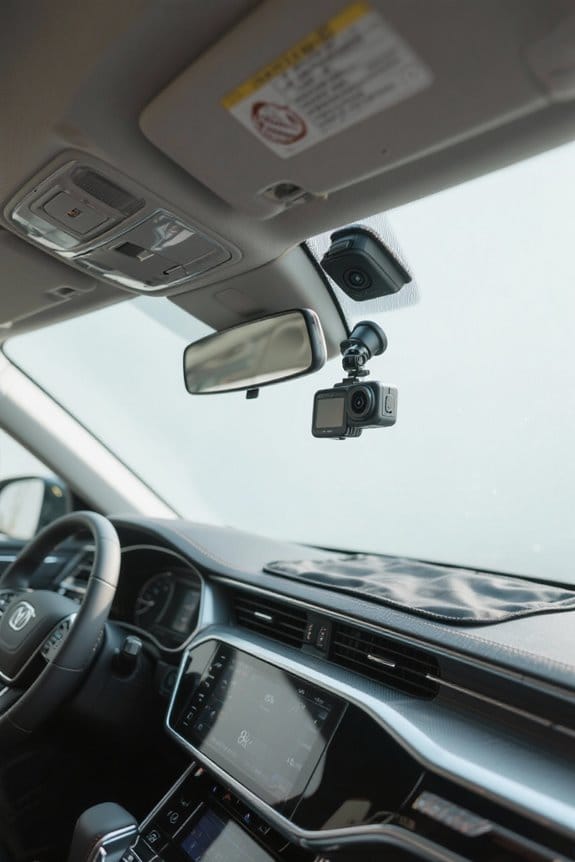
When choosing a sunshade, drivers should think like builders: fit and airflow matter more than flair. Sun Shade styles range from foldable fabric at $10–$25 to rigid exterior shields near $40. Foldables are cheap and compact. They often need a cutout for a dashcam lens. Who wants tape and surgery? Rigid external shields sit away from glass and reduce heat transfer to dash-mounted devices. The Heatshield model ($45) includes a camera-friendly notch, testers noted with a laugh: “Like a tiny sun hat.” Placement behind the rearview mirror improves coverage and keeps temperatures lower. Drivers should pick a Sun Shade that allows clear sightlines, easy installation, and avoids trapping heat against electronics. Practical choices beat flashy ones every time. Many top sun shades block over 99% of UVA and UVB rays, which helps protect dashboards and dash-mounted cameras.
Recommended Products

Anti-glare Protection: This car phone sunshade is specially designed to block direct sunlight from shining on your phone screen. It ensures clear navigation display and smooth voice command recognition even in strong daylight.

Enhanced Sun Protection: Shield your vehicle from harmful UV rays with EcoNour windshield sunshade and car window shades. Made from premium 240T polyester, this car sun shade windshield acts as a sun shade protector, blocking heat to keep your dashboard, seats, and interior cooler. A reliable sun visor for car windshield and sun cover for car windshield for everyday driving.

It will reduce glare and reflections for better contrast and visibility
How Sunshades Can Affect Dashcam Temperature and Performance
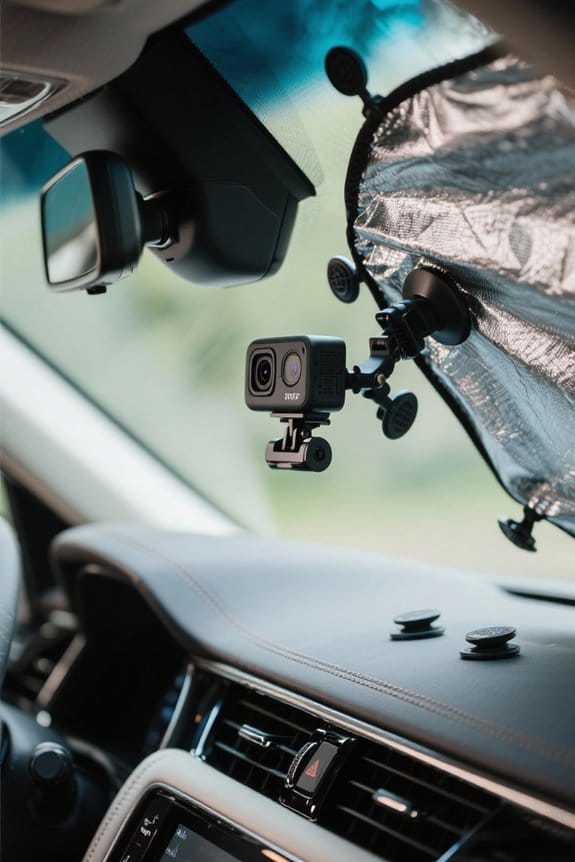
If drivers want their dashcam to survive summer parking, a good sunshade is more than window dressing. Sun Shades block direct rays and cut interior temps by 10–25°F, protecting sensitive dashcam electronics from heat stress. Internal fabric shades can trap heat near the camera. External reflective models deflect radiation and are preferred. Install so airflow around the mount remains unobstructed; leave a 0.5–1 inch gap if possible. A rigid $20–$40 sunshade offers stability and better thermal performance than cheap foldables. Want to test it? One reviewer quipped, “It’s like giving the dashcam sunglasses.” Proper positioning prevents throttling and image artifacts. Practical, measured steps extend device life and keep recordings reliable without complex mods or costly upgrades. Choose shades with double thickness reflective fabric for best durability and insulation.
Cutting and Customizing Sunshades Around Cameras and Sensors
A sunshade is more than windshield decor; it’s a small fortress for sensitive dashcam electronics. Readers learn that cutting sunshades to fit cameras and sensors is common. A 2–3 inch notch often works for compact cams like a 1080p unit priced at $70. Lengthening factory notches preserves coverage while exposing the lens for cooling. Testers say, “A half-inch change made a big difference.” Trim internal reflective layers carefully to avoid heat traps. Ascertain at least 1 cm of lens edge remains exposed for airflow. Check user reviews for model-specific tips before altering a $25 folding sunshade. Want to keep devices cool and visible? Measure twice, cut once, and balance sun protection with camera function. Many windshield covers feature UV resistance and windproof straps that can affect how much coverage you can safely remove when customizing.
Recommended Products

Custom Fit Windshield Sun Shade for Kia Sportage: shaped exclusively for the Kia Sportage 2023 2024 2025 2026 with a rearview mirror cut-out that closes gaps for a slip-free, full-coverage front window sun shade
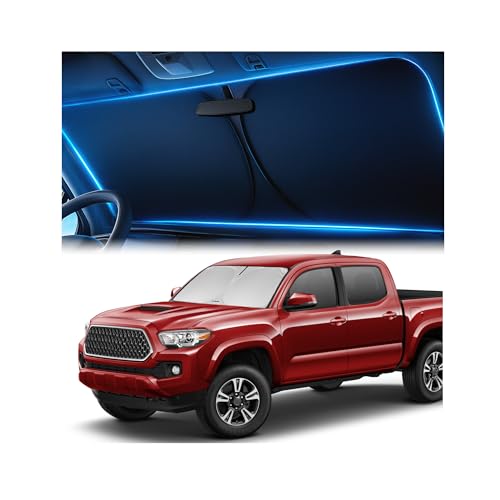
Custom Fit Windshield Sun Shade for Toyota Tacoma: shaped exclusively for the Toyota Tacoma 2016-2023 2024 2025 2026 with a rearview mirror cut-out that closes gaps for a slip-free, full-coverage front window sun shade

✔ Durable & High Quality: Our windshield cover sunshades are premium quality with high density UV reflective material, which blocks a 99% of harmful UV rays and heat.
Best Mounting Positions to Minimize Heat and Maintain Visibility
Cutting the sunshade to clear a camera lens leads naturally to thinking about where that camera sits on the windshield. Placing the Dash Cam behind the rearview mirror gives shade and keeps clear video. Mount high on the windshield, about 2–3 inches below the headliner, to improve airflow and cut heat buildup. Don’t press the dash unit flush against glass; leave a 0.5–1 cm gap for cooling. A correctly positioned sun shade, $10–$30, lowers cabin temp near the dash and helps parked devices survive noon sun. Check the mount monthly as seasons shift. Tester Maria joked, “It’s like sunglasses for gadgets.” Practical, simple moves keep recordings sharp and reduce thermal shutoffs. Use a foldable sun shade with multi-layer protection to maximize UV and heat defense.
Recommended Products

Maximum UV & Heat Blocking Protection – Upgrade your summer driving with this powerful car windshield sun shade designed to reflect harsh sunlight and harmful UV rays. The premium reflective sun shade for car windshield acts as a strong windshield protection curtain, that helps prevent dashboard fading, steering wheel overheating, and interior damage while keeping your vehicle cooler.

Superior Heat & UV Protection: Keep your vehicle cool with the EcoNour windshield sunshade. This premium car sun shade windshield blocks harmful UV rays and heat, acting as a reliable sun shade protector and sun blocker for car windshield to help protect your dashboard, seats, and interior from sun damage.

Shield-X Ultra Reflective Technology: EzyShade plus Shield-X has revolutionized sun shades, consistently leaving car interiors cooler and more comfortable than comparable reflective sun shades (up to 15% cooler).
Managing Multiple Dash-Mounted Devices: Cameras, Toll Tags, and Sensors
Several dashboard gadgets can crowd the same strip of glass, so smart placement matters. Drivers juggling dash-mounted devices like cameras, toll tags, and sensors should check clear sightlines first. A dash cam needs unobstructed view; toll tags must face the windshield center. Consider sun shades with cutouts — a $15 DIY shade with a 3–4 inch notch keeps tags exposed. Reflective shades can bounce heat toward cameras, so install them slightly lower or tilt to avoid direct sun. Sensors may overheat if trapped; leave a 1–2 inch gap for airflow. Periodically reassess mounts; small moves of 0.5–1 inch can improve function. “It’s like arranging a mini city on glass,” one tester laughed, while noting better results. Also consider using four-layer insulation sun shades to minimize heat transfer to sensitive devices.
Recommended Products
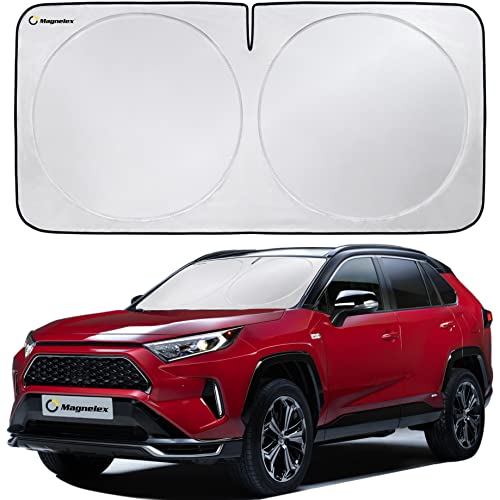
Interrior Sun Protection; Minimize heat build up in your auto interior with a Magnelex Windshield Sunshade. This reflective car sun shade protects your vehicle's dashboard, seats, steering wheel, and LCD devices from heat by re-directing UV rays while your vehicle is parked

Interrior Sun Protection; Minimize heat build up in your auto interior with a Magnelex Windshield Sunshade. This reflective car sun shade protects your vehicle's dashboard, seats, steering wheel, and LCD devices from heat by re-directing UV rays while your vehicle is parked

Honor Your Country while protecting your auto interior from heat build-up and fading. Magnelex American Flag Car Windshield Sun Shade blocks out UV rays to keep the passenger cabin cool and pristine.
Accessories and Materials That Improve Heat Protection
Because parked cars can turn into ovens, smart accessories make a real difference for dash cam survival. Readers are advised to use heat shields ($15–$40, 12″×24″) and cooling pads rated to 85°C to cut interior temperatures. A tinted window film (35% VLT, $60–$120) or external sunshade reflects UV and eases strain on electronics. Choose dash cams with built-in temperature sensors and active cooling; models with fan-assisted heatsinks run cooler by 10–15°C in tests. Trimmed sunshades with camera cutouts keep protection without blocking views. Keep the dash clean for airflow — dust builds up fast. “Like giving the camera a little fan,” a tester joked. Want longevity? Combine materials, check temps, and replace worn shields annually. Use vehicle-specific custom-fit sunshades to maximize coverage and protection.
Recommended Products

2X Heat Blocking with Double-Layer Design: Unlike standard single-layer sunshades, Magnelex uses dual 240T reflective layers for superior heat rejection and UV protection. Stay cooler, protect your interior, and feel the difference every time you enter your car.

[Tucson-Specific | 3D Laser Fit] Perfectly Fits Hyundai Tucson 2022-2026 Windshield: Designed using high-precision 3D laser scanning of real vehicle interiors, this Zanch sunshade ensures a true 1:1 custom fit. It closely follows the larger SUV windshield contour for full edge-to-edge coverage with no light gaps or sagging.

Material Upgrade: The new windshield sunshade for 2026 provides more sun protection and shade. We abandoned the old-fashioned titanium silver coating design and chose 300T Oxford cloth with higher density as the raw material for the sunshade. It can effectively block sunlight and heat, allowing you to enjoy the coolness and tranquility inside the car in the scorching summer.
Practical Installation Tips for Everyday Use and Seasonal Storage
After covering shields, pads, and films, it helps to talk about real-world mounting and storage moves that keep a dash cam alive year-round. Place the camera behind the rearview mirror, about 2–3 inches off the glass, to limit sun glare and preserve sunshade fit. Check that mounts do not block the shade; a misaligned mount can raise cabin temps by 10–15°F. Some shades have cutouts for cameras; they cost $15–$30 and save time. Rigid sunshades make adjustments easier and stabilize the view. In winter, store soft shades flat to avoid creases. In summer, prop rigid shades to keep airflow and reduce heat soak. Tester note: “It’s like giving the camera sunglasses,” they joked, smiling at measured gains. Choose a sun shade that blocks at least 99% of UV rays to protect the interior and your camera from heat-related damage, such as a custom-fit 99% UV blocker designed for specific Camry models.
Frequently Asked Questions
Can You Use a Sunshade With a Dash Cam?
Yes — Dash Cam Compatibility is feasible. The narrator invokes a sundial anachronistically: choose heat-resistant or modifiable sunshades, mount behind the rearview mirror, or cut openings to guarantee airflow, preventing overheating and preserving electronics.
How to Protect a Dash Cam From the Sun?
They recommend Sunlight Protection by mounting the dash cam behind the rearview mirror, using reflective or external heat‑shield sun shades, creating a small opening if needed, and routinely checking position to prevent overheating and damage.
Will My Insurance Go Down if I Have a Dashcam?
Like a beacon in fog, a dashcam can lower premiums; insurers may offer Insurance Discounts typically ranging around 5–15% depending on policy, evidence value, and provider—customers should verify specifics with their insurer to confirm eligibility.
Can I Put a Dash Cam on a Tinted Windshield?
Yes, a dash cam can be mounted on a tinted windshield; placement behind the rearview mirror often mitigates tint-related visibility issues. Tinted Regulations and local laws should be checked to avoid obstruction or legal violations.


