As an Amazon Associate, we earn from qualifying purchases. Some links on this site are affiliate links at no extra cost to you. Our recommendations are based on thorough research and editorial judgment.

Legal Requirements for Parking With Sun Shades

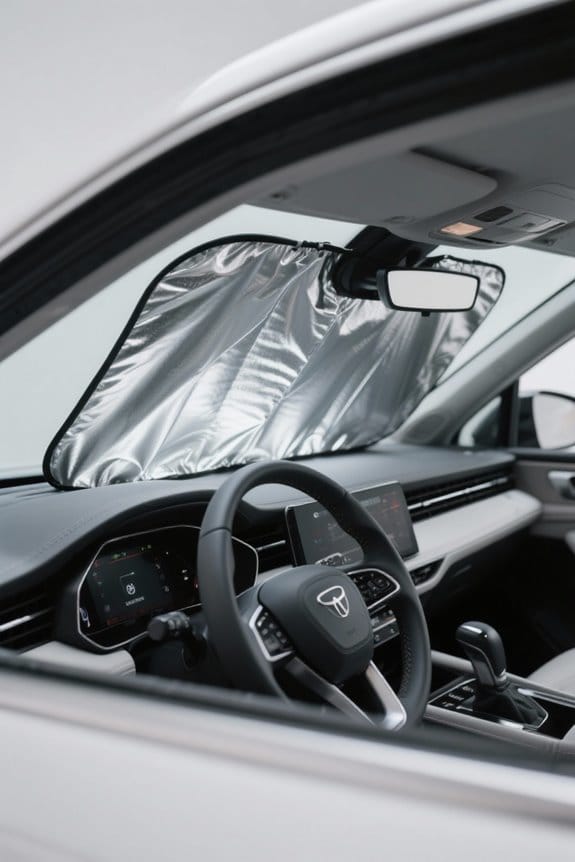
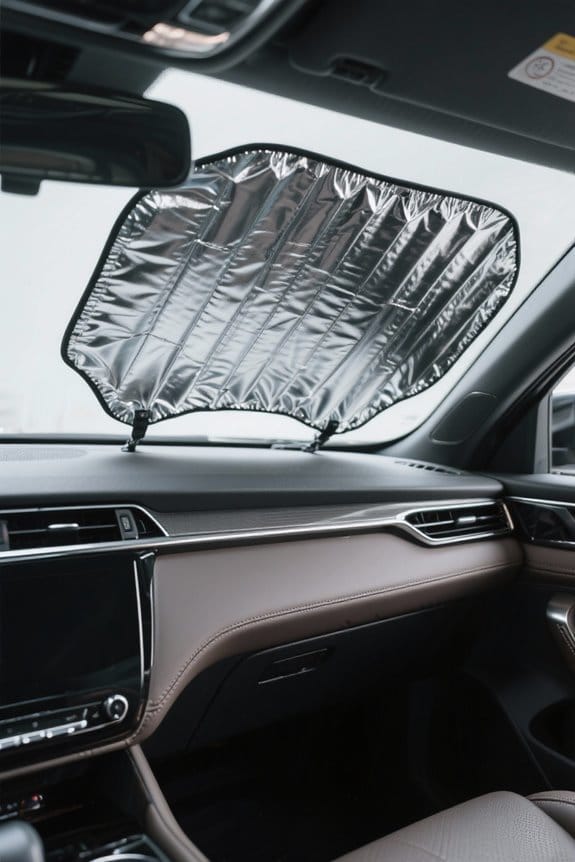
Most states treat car sun shades like tint. Rules set Visible Light Transmission (VLT) limits, often 30–70% for side windows and a 2–6 inch windshield strip. Fines run about $25–$300. Permanent canopies usually need permits, $0–$500. Medical exemptions require a doctor’s letter and a small fee. Buy shades labeled with VLT and test with a $30 meter. Want clear, practical steps and local exceptions? Keep going for specifics.
Key Takeaways
- Check state and local vehicle-window tint laws to ensure parking sunshades won’t violate Visible Light Transmission (VLT) limits.
- Remove or avoid permanently mounted shades unless you have a permit and the structure meets local building codes.
- Carry medical exemption paperwork (physician letter and permit) in the vehicle if your shade exceeds standard VLT limits.
- Use sunshades labeled with measured VLT and keep a simple VLT tester or receipt to show compliance during stops.
- Confirm local parking rules and enforcement fines, since penalties for noncompliance can range from minor fines to court appearances.
Understanding State-Level Sunshade Regulations
You may be interested


Curious how one little sunshade can cause big trouble? Each state sets its own rules on shades. Some allow a 70% Visible Light Transmission minimum; others demand 50% or ban dark films altogether. Front windshield strips are often limited to a 4–6 inch band at the top. Drivers in a parking lot should check for local authorities’ guidance before leaving a shade in place. Fines vary from $25 to $250, and citations may force immediate removal. Traveling? Your 12-inch foldable model that’s fine at home might be illegal across state lines. Tester Maria notes, “It’s tricky but manageable.” Want compliance without guessing? Carry a $15 hand-held VLT meter or confirm rules online. High-quality custom-fit shades can improve coverage and durability. Simple steps prevent costly surprises.
Visible Light Transmission and Tint Limits

Many drivers underestimate how a tiny percent can change everything. Visible light transmission matters. It’s the VLT percentage that tells how much light passes a sun shade. States set limits: 30% VLT in stricter areas, up to 70% in lenient ones. A small 5-inch strip atop a windshield is sometimes the only allowed shade. Non-compliance risks fines, replacement costs near $50–$200, and time lost at inspections. What’s the compliance process? Submit documents, test tint with a meter, or apply for medical exemption with formal paperwork. Safety standards aim to preserve visibility and reduce night hazards. Imagine driving through fog with sunglasses on. Tester quotes: “A 5% drop felt huge.” Practical, measured, and worth checking before buying. Custom-fit sunshades designed for Aston Martin models can improve coverage and reduce heat buildup while remaining compliant with local VLT rules, especially when chosen to match exact windshield dimensions and materials custom options.
Recommended Products

2X Heat Blocking with Double-Layer Design: Unlike standard single-layer sunshades, Magnelex uses dual 240T reflective layers for superior heat rejection and UV protection. Stay cooler, protect your interior, and feel the difference every time you enter your car.

Material Upgrade: The new windshield sunshade for 2026 provides more sun protection and shade. We abandoned the old-fashioned titanium silver coating design and chose 300T Oxford cloth with higher density as the raw material for the sunshade. It can effectively block sunlight and heat, allowing you to enjoy the coolness and tranquility inside the car in the scorching summer.

Enhanced Sun Protection: Shield your vehicle from harmful UV rays with EcoNour windshield sunshade and car window shades. Made from premium 240T polyester, this car sun shade windshield acts as a sun shade protector, blocking heat to keep your dashboard, seats, and interior cooler. A reliable sun visor for car windshield and sun cover for car windshield for everyday driving.
Windshield and Front-Window Shading Rules

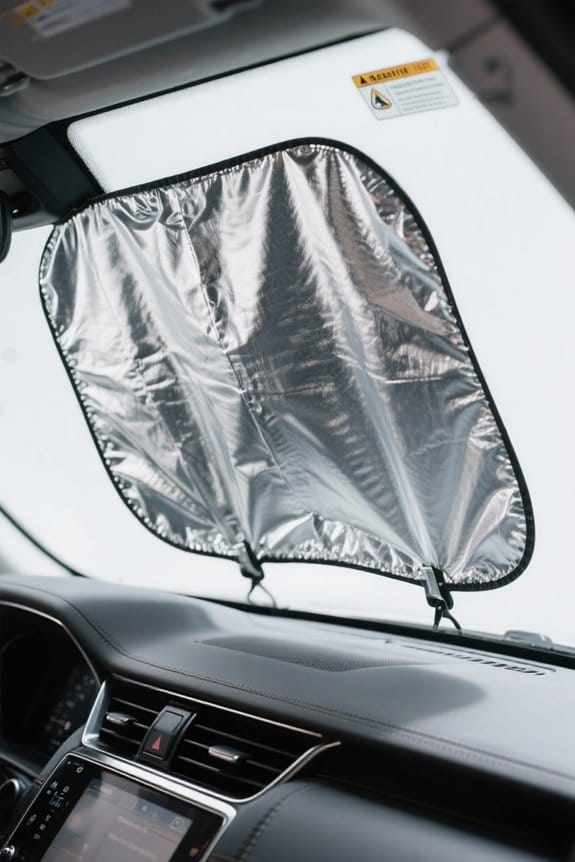
After checking VLT limits for side windows, attention shifts to what can go on the windshield and front side glass. Many states limit windshield shading to a thin sun strip, often 2–6 inches, or require a minimum Visible Light Transmission (VLT) like 70%. These windshield shading rules cause legal issues if ignored. Fines vary — $50 to $300 — and test strips or replacement glass can cost $25–$400. Some drivers get medical exemptions with paperwork. Safety matters: clear forward vision prevents collisions. Want a shade that fits and complies? Measure carefully and check state charts. “Looks cool, but check the law,” a tester joked. Practical, precise compliance keeps you legal and safer on the road. Custom-fit sunshades with 99% UV protection can help protect interiors while maintaining legality.
Recommended Products

Enhanced Visual Comfort: Experience discreet visibility with this one way privacy windshield tint. Its honeycomb design maintains clear outward perspective while reducing direct glare from intense sunlight. The black tint supports safer and more comfortable journeys in bright conditions

Trim-to-Fit Design: Customizable sunblocker vinyl decal, easy to trim for a perfect fit on any windshield, with a straight edge for seamless alignment.

Block UV & Reduce heat: tint film can block most of the heat, create a comfortable interior environment, and can prevent the vehicle interior from aging, and will not affect the signal
Permit Requirements for Permanent Shade Structures
One clear rule governs most permanent shade builds: pull a permit before you start. Municipalities treat pergolas, carports, and attached awnings differently. Permit requirements hinge on size, type, and placement. A 10×12 detached shade may escape review in one town. In another, the same 10×12 costs $300–$500 to permit. Attached structures almost always trigger building codes and inspections. Why risk fines or removal? Ask local planning staff. Regulatory compliance protects safety and resale value. A tester joked, “I learned permits are the adult version of permission slips.” Practical tip: measure setbacks, note attachments, and budget for $0–$500. The reader gains clarity and a plan, not fear—just sensible steps before digging post holes. New builds over a certain square footage may also require inspections and engineered plans depending on local code.
Recommended Products

Roof Style: Lean-to shed Building Size: 4' deep x 8 wide floor Overall Height : 8'-5 1/4'' Front Height : 7'-7 5 1/4'' Double Doors: 60" x 70 1/2"
Local Zoning and HOA Restrictions on Shades
Because local rules vary like weather, homeowners should check zoning and HOA guidelines before buying a shade. Local zoning regulations often limit height to 8–12 feet and require setbacks of 3–10 feet from property lines. HOA guidelines can add design rules — approved colors, roof styles, or a formal review process charging $50–$200. Shade structures like a 10×12 carport or a $300 canvas awning may need a permit. Will your installed cover block a fire lane? That’s a common red flag. Ask the city planning office and your association. One tester joked, “My HOA prefers beige.” Practical checks save $500 fines and headaches. Follow rules, get approvals, and park with peace of mind. Many homeowners also choose custom-fit sunshades for vehicles to reduce interior temperatures and protect upholstery.
Recommended Products

Important Information for Purchasing: 1.Confirm your car window frame supports magnets.2.Use a fridge magnet to test magnetic ability.3.Magnetic area must exceed the rubber seal zone.4.Heat may weaken the magnet’s holding strength

Maximum UV and Sun Protection:Sfee car window shade is made of premium higher density fabric mesh that ensure your vision is not obscured. Window shades for car is perfect for protection against sun glare, heat, and harmful UV Rays. Blocks the harmful UV rays and keeps your car safe. Not like other cheap plastic shade, our car sun shades make you feel cool in car. Car window shades for side windows will protect your baby from direct damage from the sun effectively.

Maximum UV & Heat Blocking Protection – Upgrade your summer driving with this powerful car windshield sun shade designed to reflect harsh sunlight and harmful UV rays. The premium reflective sun shade for car windshield acts as a strong windshield protection curtain, that helps prevent dashboard fading, steering wheel overheating, and interior damage while keeping your vehicle cooler.
Safety Standards and Structural Material Requirements
Start with noncombustible materials. Readers learn that safety begins with Type I or II metals and fabrics. Structural materials must limit the shade membrane to 12,000 sq ft. Think of a roof no bigger than a small warehouse. Minimum clear height is 7 feet (2134 mm) and 98 inches (2490 mm) for van-accessible spaces. Installers follow Chapter 16 for compliance and load rules. Automatic sprinklers are required per Phoenix Fire Code and need routine inspections. Want peace of mind? A tested sprinkler runs about $1,200–$3,000 installed, a small price for safety. “Feels solid,” a tester joked while tapping steel posts. Who wouldn’t sleep better under a proven, code-compliant canopy? Custom-fit sunshades using 240T polyester are an example of durable materials that help protect vehicle interiors while complying with quality and performance expectations.
Recommended Products

90% Shade Rate: Our Shade Cloth can resist rays and most sunlight while air can still flow through so as to create a comfortable cool and shaded place for people or plants.It blocks 90% of the sunshine and bring 10% the shadow, 10% of the sunshine can through it.

Enhanced Sun Protection: Our car windshield sun shade effectively blocks harmful UV rays and reduces heat, safeguarding your vehicle's interior. Crafted from high-quality materials, it ensures your dashboard and upholstery remain cool and protected, providing a comfortable driving experience.

【𝗦𝗨𝗣𝗘𝗥 𝗛𝗘𝗔𝗩𝗬 𝗗𝗨𝗧𝗬 𝗡𝗘𝗪 𝗣𝗔𝗧𝗘𝗡𝗧 𝗗𝗘𝗦𝗜𝗚𝗡】: Made of 260 GSM permeable extra heavy duty fabric, heavy duty stainless mounting rings, cable wires built-in edges, integrate into the mounting rings, all pulling strength goes to the cable wires, not only making the edges more durable, it also enhence the appearance of shade sail.
Medical Exemptions and Documentation Process
After checking roof sizes and sprinkler costs, practical questions come next: can someone get darker shades for real medical reasons? The section explains medical exemptions and documentation clearly. A doctor’s letter, on clinic letterhead, is common. It may state skin sensitivity, list treatments, and recommend a specific VLT percentage, like 20% or 35%. Expect to submit a formal application, physician’s recommendation, and sometimes medical records. Fees vary; some state forms are free, others charge small processing fees ($10–$50). Check state-specific laws and local DMV guidance before buying a $60 shade or a $200 custom visor. Carry documentation in the vehicle. What if stopped? Produce papers promptly. “It saved me a ticket,” one tester joked, smiling but relieved. Sun shades that are model-specific fits can also offer better protection and durability.
Penalties, Fines, and Enforcement Procedures
A handful of states treat illegal sunshades like a traffic offense. Drivers can face penalties and fines ranging from $50 to several hundred dollars. Officers may issue on-the-spot citations and require immediate removal or replacement of a non-compliant sunshade. Some rules limit darkness to specific visible light transmission percentages, for example 30% VLT, and violating that can raise the penalty. Repeat offenses often mean higher fines and license points. Enforcement procedures vary: some officers measure tint with handheld meters; others use visual checks. Want to avoid a $150 ticket and a lecture? Choose a certified shade, often $20–$60, that lists VLT. A tester quips, “It saved my wallet,” and practical clarity wins. Custom-fit sunshades designed for specific models like the Alfa Romeo Giulia reduce heat buildup and can also help ensure compliance.
Staying Current: Tracking Law Changes and Compliance
Penalties and patrols are only part of the story; keeping up with changing sunshade rules is what really saves time and money. States set VLT limits and mirror rules for sun shades. Check transportation websites monthly — updates happen. A $25 roadside ticket can become $150 in court. Want certainty? Call local authorities or a lawyer; a 15‑minute consult often costs $50–$100 and clears doubts. Regional regulations vary; a 30% VLT in one state may be illegal next year. Buy sun shades with labels showing measured VLT. Simple tools cost $30 and let you test at home. “I thought mine passed,” a tester joked, “until the meter said no.” Stay proactive to guarantee compliance and avoid surprise fines. High-density Oxford cloth covers also help protect against weather and wear, so consider materials like Oxford cloth when choosing a compliant shade.
Frequently Asked Questions
Are Sunshades Legal?
Yes. They note that legality varies: sunshade regulations intersect with window tinting and parking laws, so compliance depends on state VLT limits, allowed coverage, and any medical exemptions; drivers should verify local statutes to avoid penalties.
Can You Drive With Sunshades?
Yes, one can, but caution is urged: different sunshade types, different sunshade benefits, different sunshade guidelines. Drivers must check tint limits, coverage rules, and medical exemptions to avoid fines, citations, and safety risks.
Do You Need a Sunshade for Your Car?
No, one does not need a sunshade for a car. He notes sunshade benefits for cooling and UV protection, considers sunshade styles for fit and aesthetics, and follows recommended sunshade installation for effectiveness and visibility.
Can You Put Sunshade on the Back Window?
Yes. He can, but compliance varies: back window regulations differ by state, so he should consider sunshade safety and vehicle cooling benefits while parked; noncompliance may cause fines or require immediate removal.