As an Amazon Associate, we earn from qualifying purchases. Some links on this site are affiliate links at no extra cost to you. Our recommendations are based on thorough research and editorial judgment.


How UV Rays Damage Your Car’s Interior: A Complete Guide

UV rays and heat act like a slow oven and bleach. They fade fabric, dry leather, and crack dashboards after weeks in 140–190°F cabins. A $15 foldable sunshade cuts cabin temps 10–20°F. Ceramic tint runs about $200 and can block 99% UV. Plastics become brittle and electronics misbehave. Tester quote: “My dash split like an overcooked cookie.” Want practical fixes and costs? Keep going to get them.
Key Takeaways
- UV rays penetrate glass and cause photodegradation, breaking down polymers in plastics, fabrics, and leather.
- Sun and heat dry leather by evaporating oils, resulting in stiffening, discoloration, and cracking.
- Prolonged UV exposure fades upholstery pigments, especially noticeable on dark fabrics and dashboards.
- High cabin temperatures (140–190°F) accelerate material warping, brittleness, and electronic component failure.
- Preventive measures—sunshades, UV-blocking tint, protective sprays, and shaded parking—significantly reduce damage.
Key Takeaways on UV and Heat Damage
You may be interested


Because sunlight finds a way in, car interiors take a steady beating over time. Drivers learn quick: UV rays and heat damage add up. Interior temps can hit 140–190°F, which stresses leather seats and plastics. Fading and cracking follow, and resale can drop about 10 percent. What helps? Sunshades cost $10–$30 and block direct sun. Window tinting runs $150–$400 and gives real UV protection. Apply UV-protective sprays ($12–$25) on dashboards and leather. Professional detailing with conditioning stops drying and small cracks. Want to prevent visible wear? Park shaded, use coverings, and consider tinting. Who likes surprise repair bills? Not the owner. These steps protect your car’s value and keep interiors looking cared-for. Custom-fit sun shades for specific models can block over 99% of UV rays and offer superior coverage custom-fit sun shades.
How UV Rays and Heat Degrade Interior Materials

Sunlight eats at a car’s interior slowly but surely. UV rays penetrate glass and start photodegradation. Fabrics and plastics lose strength; molecules break down. Prolonged exposure will fade upholstery—dark seats suffer most. Leather surfaces dry as oils evaporate, then crack. Heat makes it worse: closed cars hit 140–190°F, accelerating thermal breakdown and warping dashboards. Sun damage cuts resale value by up to 10 percent, a real hit when you sell. Protective measures work: a $15 sunshade or $200 window tint can block up to 99 percent of harmful UV rays. Want proof? A tester noted, “My dash went from glossy to flaky in two summers.” Using a custom-fit sunshade designed for specific models, like the Alfa Romeo Giulia, can maximize coverage and protection custom-fit coverage.
Recommended Products

Enhanced Sun Protection: Shield your vehicle from harmful UV rays with EcoNour windshield sunshade and car window shades. Made from premium 240T polyester, this car sun shade windshield acts as a sun shade protector, blocking heat to keep your dashboard, seats, and interior cooler. A reliable sun visor for car windshield and sun cover for car windshield for everyday driving.

Maximum UV & Heat Blocking Protection – Upgrade your summer driving with this powerful car windshield sun shade designed to reflect harsh sunlight and harmful UV rays. The premium reflective sun shade for car windshield acts as a strong windshield protection curtain, that helps prevent dashboard fading, steering wheel overheating, and interior damage while keeping your vehicle cooler.

2X Heat Blocking with Double-Layer Design: Unlike standard single-layer sunshades, Magnelex uses dual 240T reflective layers for superior heat rejection and UV protection. Stay cooler, protect your interior, and feel the difference every time you enter your car.
Identifying Signs of Sun Damage to Seats, Dashboards, and Trim

After outlining how UV and heat break materials down, it helps to know what to look for next: visible clues that seats, dash, and trim are already paying the price. Readers often spot fading first — fabric upholstery losing color like a sunwashed T‑shirt. Leather seats go lighter, stiffen, and show fine cracks; a $20 moisture meter or simple fingertip test reveals dryness. Dashboards develop hairline cracks and discoloration; plastics feel brittle and may flake. Trim pieces can turn chalky and brittle, snapping under light flex. Early deterioration looks subtle: small cracks, dull texture, and a general worn feel. Who wants a dashboard that looks 10 years older? Quick visual checks and gentle touch are practical, inexpensive ways to assess sun damage. Choosing a cover made from 600D Oxford fabric can significantly reduce UV and heat exposure and prolong interior life.
Recommended Products

Material Upgrade: The new windshield sunshade for 2026 provides more sun protection and shade. We abandoned the old-fashioned titanium silver coating design and chose 300T Oxford cloth with higher density as the raw material for the sunshade. It can effectively block sunlight and heat, allowing you to enjoy the coolness and tranquility inside the car in the scorching summer.

Optimal Coverage: Includes two auto shades, each measuring 15 x 19 inches (35.6 x 43.2 cm), for maximum sun protection

Larger universal size fits virtually all vehicles
Effective Preventive Measures and Protective Products
When parked under a noon sun, a simple sunshade can feel like an instant air conditioner for the dash. Drivers learn fast: shading cuts heat and helps minimize fading. A $15 reflective sunshade blocks direct UV rays and drops cabin temps 10–20°F. Window tinting at 35% visible light transmission can block up to 99% of UV; expect $200–$400 installed. Regular interior detailing and UV-protective sprays for leather or vinyl, $10–$25 per bottle, prevent drying and cracking. Parking in shade or under a carport reduces thermal degradation noticeably. Add UV-resistant seat covers and mats ($30–$150) for extra armor. Who wants brittle trim? These preventive measures protect your interior, extend material life, and keep upholstery looking like new. Many Bronco owners prefer multi-layer shades because they can reduce interior temperatures by 30–40°F while blocking up to 99% of UV rays.
Long-Term Effects on Resale Value and Electronics
Although it may seem like an aesthetic problem at first, long-term UV damage quietly chips away at a car’s value and electronics. Continuous UV rays exposure can cut resale value by up to 10 percent. Faded seats and cracking dashboards are visible losses buyers notice. Heat from prolonged exposure also accelerates degrading electronics — think dimming displays and circuit board faults. Internal components like wiring insulation may crack after years in the sun. That lowers market value and consumer confidence. Repairs can be pricey: dashboard refurb $300–$800, display replacement $400–$1,200. Who wants that headache? Owners can prevent it with sunshades ($15–$40) and ceramic window tints ($200–$600). As one tester joked, “It’s cheaper than therapy.” Smart prevention preserves dollars and desirability. High-quality, custom-fit windshield shades with multi-layer construction and reflective materials can significantly improve protection and interior longevity.
Recommended Products

2X Heat Blocking with Double-Layer Design: Unlike standard single-layer sunshades, Magnelex uses dual 240T reflective layers for superior heat rejection and UV protection. Stay cooler, protect your interior, and feel the difference every time you enter your car.

Superior Heat & UV Protection: Keep your vehicle cool with the EcoNour windshield sunshade. This premium car sun shade windshield blocks harmful UV rays and heat, acting as a reliable sun shade protector and sun blocker for car windshield to help protect your dashboard, seats, and interior from sun damage.
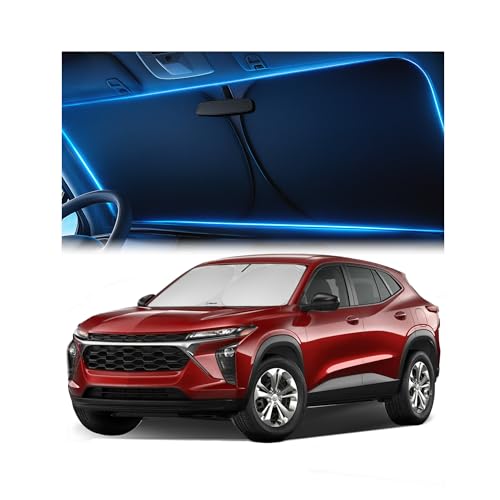
Custom Fit Windshield Sun Shade for Chevrolet Trax: shaped exclusively for the Chevrolet Trax 2024 2025 2026 with a rearview mirror cut-out that closes gaps for a slip-free, full-coverage front window sun shade
Frequently Asked Questions
Does UV Damage Car Interior?
Yes. UV radiation effects include dashboard fading, upholstery materials and leather deterioration, interior plastics impact and car color fading; heat exposure and long term consequences reduce value, while window tinting benefits and protective coatings help mitigate damage.
How to Fix Sun Damaged Car Interior?
Nearly 80% of interiors show UV fading; one can pursue repair options like cleaning techniques, leather conditioning, vinyl restoration, dashboard repair, upholstery replacement or DIY fixes, plus sunblock coatings and protective covers for effective interior restoration.
Do Car Interiors Need UV Protection?
Yes. He notes UV protection benefits for interior materials: reducing sun exposure, preventing sun fade, and extending vehicle longevity. UV films, window tints, protective coatings and routine car care and interior maintenance preserve appearance and value.
How to Protect a Dashboard From Sun Damage?
They protect a dashboard by using dashboard covers and sun shades, applying interior wax, protective sprays, UV protectants or ceramic coatings, installing tinting film, using portable fans, treating with dashboard oils, and repairing damage with repair kits.


