As an Amazon Associate, we earn from qualifying purchases. Some links on this site are affiliate links at no extra cost to you. Our recommendations are based on thorough research and editorial judgment.


Special Considerations for Curved Windshields

Curved windshields change fit, cost, and sightlines. They improve aerodynamics and strength, but add about $300–$800 versus flat glass. Typical construction uses two 2.1–2.8 mm panes with a 0.76 mm interlayer. Installers must be precise to the millimeter or expect fish‑eye warps and ADAS glitches. Labor and recalibration can add $200–$400. Think of it like tailoring a suit for a hurricane. Want specifics on installation, materials, and warranties?
Key Takeaways
- Curved windshields require precise installation and ADAS recalibration to avoid optical distortion and sensor misalignment.
- They cost $300–$800 more than flat glass due to shaping, laminating, and tighter manufacturing tolerances.
- Manufacturing uses heated molding, tempered panes and interlayers (typically two panes and a 0.76 mm interlayer) for strength.
- Even small misalignments or improper seals can cause visible warping, fisheye effects, or stress-related cracks.
- Durability and improved aerodynamics reduce long-term replacements and environmental impact when maintained properly.
Curved vs. Flat Glass: Design and Safety Differences

You may be interested


Because aerodynamics and visibility matter on every commute, curved windshields are designed to sweep air smoothly and give drivers a wider field of view. Curved windshields improve aerodynamics and often cost $300–$800 more than flat glass. They spread stress evenly, boosting structural integrity during impacts. Flat glass can concentrate forces and crack more easily, especially with temperature swings. Driver safety benefits when glass fits precisely. Proper installation by certified techs costs extra but reduces optical issues and hidden leaks. Tester Jamie joked, “It’s like swapping a fishbowl for a visor,” and laughed. Want clarity? Expect slight price premiums for shape and tech. Practical choice depends on budget, repair access, and desired long-term durability. Manufacturers often recommend using UV protection materials to preserve interior surfaces and reduce heat buildup.
Optical Distortion and Driver Visibility Concerns
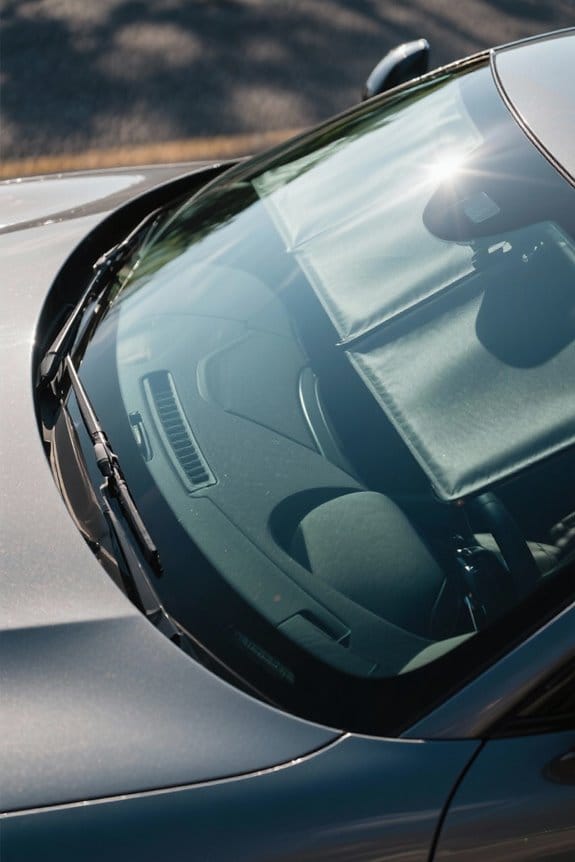
Many drivers notice subtle oddities with curved windshields—slight warps, wavy reflections, or a fish-eye effect at the edges. Curved glass can cause optical distortion that shifts perceived distance by inches to feet. That matters at 60 mph. Misalignment during installation often worsens visibility issues, so proper installation by a trained tech is non-negotiable. Advanced processes cut glare and boost light transmission, with premium windshields often costing $250–$600. Do driver-assistance systems still work? They can falter if the glass or sensors are off by degrees. Testers joke, “You’ll think the lane moved.” Simple checks—look for warped reflections, test ADAS calibration—save lives. Choosing high-quality materials like 240T reflective fabric in related car accessories can similarly improve comfort and protection.
Manufacturing Complexity and Material Choices

After noticing warped reflections and squinty drives, readers naturally start asking how those curved windshields are made and why they cost more. Manufacturers shape curved glass with heated molds to within a few millimeters of tolerance. A vehicles windshield often uses two 2.1–2.8 mm panes bonded around a 0.76 mm interlayer for safety. Tempering and laminating add time and roughly $100–$400 to production costs per unit. These steps preserve structural integrity and optical clarity. Multiple interlayers boost durability and reduce crack propagation, testers note with a wry smile: “It flexes, it forgives.” The automotive industry accepts higher tooling and cycle costs because impact resistance improves by measurable margins. Custom-fit sun shades for Acura MDX models further protect interiors by blocking heat and UV rays with double-layer designs, enhancing the car’s comfort and longevity.
Installation Challenges and Technician Requirements
When a curved windshield goes in, precision matters more than a steady hand. Installation challenges arise from tight tolerances: a millimeter off can cause optical distortion and cost $200–$400 more in labor and recalibration. Skilled technicians are required. They use calibrated jigs, torque specs, and adhesive guns that dispense 3–5 mm beads. Who wants a wavy view of the road? Proper fit affects ADAS sensors, glazing bonds, and structural integrity. Auto glass shops often certify techs for these jobs; expect a certified install to take 90–150 minutes plus a 30–60 minute ADAS recalibration. A tester joked, “It’s art with a torque wrench.” Readers should insist on documented certification and a clear warranty before permitting replacement. Many installers will also recommend using manufacturer warranties and high-quality materials to prevent future issues.
Environmental Impact, Durability, and Maintenance
Because curved windshields are built with laminated and tempered layers, they last longer and resist road hazards better than flat glass. This durability reduces replacements and waste; one windshield might last 5–10 years versus shorter spans for cheaper units, saving roughly $200–$400 over time. Drivers notice fewer chips from gravel, improving vehicles safety and peace of mind. Regular maintenance matters: inspect chips early, clean with mild soap, and avoid sudden temperature shocks to protect the integrity of the windshield. Manufacturers report recycling gains that lower environmental impact and greenhouse emissions. Want a quick check? Tap the glass lightly. “Feels solid,” a tester joked. Multi-layer construction also benefits heat rejection, which can help protect interiors from sun damage and extend materials’ lifespan, a feature often found in multi-layer designs.
Advanced Vehicles: ADAS Calibration and Legal Compliance
Although it might seem like a small job, windshield work can shift the whole car’s brain, and that matters a lot for safety. ADAS sensors sit millimeters off true. A misaligned camera can degrade lane-keeping assist and AEB. Technicians use calibration rigs costing $3,000–$12,000, or dealer tools at $1,500 per session. Who pays? Often the shop or insurer. Calibration requires diagnostic software and a flat 2–3 m range for targets. Compliance is legal and practical. Skip it and you risk liability and failed inspections. Imagine blinker logic like a confused referee—funny until impact. Ask the shop about recalibration steps, time (30–90 minutes), and receipts for warranty and insurance records. Many technicians prefer using calibration rigs that match OEM specifications for reliable results.
Frequently Asked Questions
Why Do Cars Have Curved Windshields?
Like a knight’s visor, cars have curved windshields because aerodynamic design reduces drag, visibility enhancement reduces glare, safety standards favor structural strength, aesthetic appeal attracts buyers, and advanced manufacturing techniques enable durable, clear glazing.
What Are the Benefits of Curved Glass?
Curved glass provides improved aerodynamics, enhanced visibility, curved aesthetics, structural integrity and integrated safety features; it reduces drag, widens sightlines, resists impacts, disperses stress evenly and supports advanced laminated or tempered protective designs.
How Hard Is It to Make Curved Glass?
Like forging Excalibur, it is difficult: manufacturing techniques demand precision, molding processes require exact OEM molds, thermal treatment prevents glass distortion, and design challenges plus quality controls make curved glass production intricate and time-consuming.
What Does Rubbing a Potato on Your Windshield Do?
It removes minor water spots and light grime by using potato benefits as a gentle abrasive; the DIY trick uses natural ingredients for windshield cleaning, offering temporary glass preservation but may require follow-up cleaning for thorough residue removal.

