As an Amazon Associate, we earn from qualifying purchases. Some links on this site are affiliate links at no extra cost to you. Our recommendations are based on thorough research and editorial judgment.

How Sun Shades Relate to Good Samaritan Laws

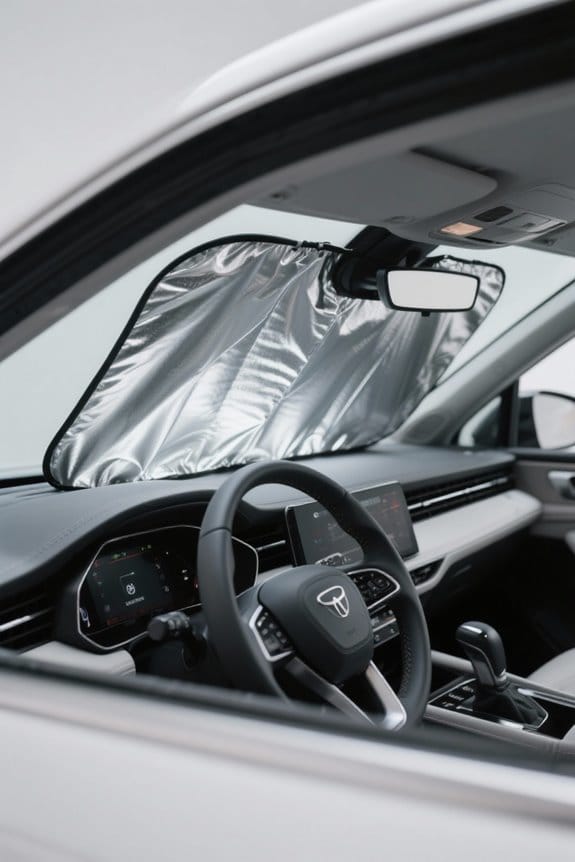
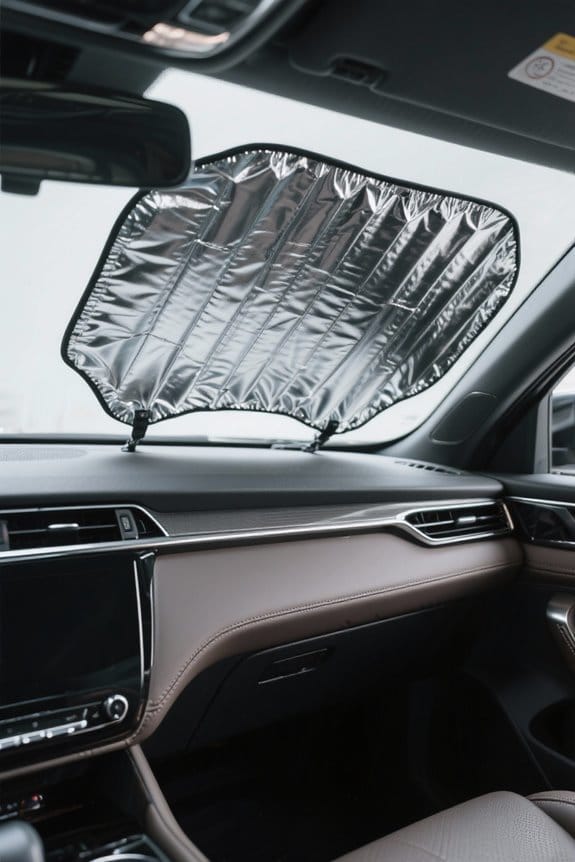
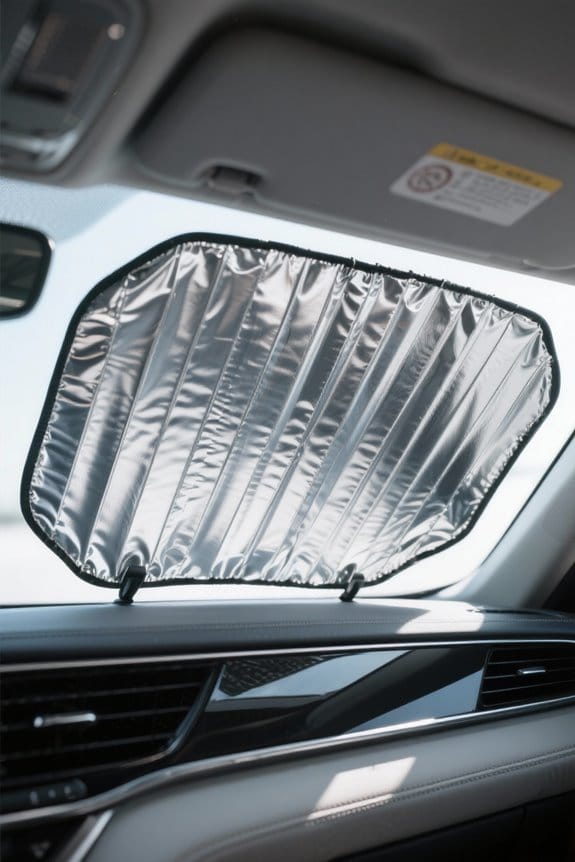
Sun shades act like tiny car umbrellas, cutting cabin heat quickly and reducing urgent rescues. A $12–$25 folding aluminum shade (about 52×27 inches) can lower interior temperature 10–20°F in minutes. That helps prevent pets or kids from becoming an emergency. Good Samaritan laws still guide when strangers may intervene, so call authorities first and document conditions. Who doesn’t like a $15 gadget that double-checks safety and peace of mind? Keep going to learn practical next steps.
Key Takeaways
- Sun shades are a preventative tool that can reduce interior car temperatures, lowering the likelihood of heat-emergency rescues.
- Using a sun shade while waiting for authorities can be a lawful, non-invasive action under Good Samaritan principles.
- Good Samaritan laws typically protect bystanders who take reasonable, non-harmful steps, like placing shades, to prevent imminent harm.
- Documenting time-stamped photos and contacting authorities while using a sun shade helps demonstrate reasonable, lawful intervention.
- Carrying and recommending affordable foldable shades supports community prevention campaigns aligned with Good Samaritan goals.
The Science Behind Sun Shades and Vehicle Temperature Control
You may be interested


Because parked cars act like mini greenhouses, a sun shade can be the difference between a tolerable seat and a searing one. A typical reflective shade cuts interior heat by about 20°F in 30 minutes, testing shows, and costs $10–$40. Readers learn that the shade reflects sunlight and reduces heat absorption through windows. That lowers stress on leather and dashboard plastics. In a vehicle left in sun, this matters for comfort and for quick interventions when someone senses imminent danger. What about pets? Animal control officers note shades help but don’t replace vigilance. One tester joked, “It’s like sunscreen for your car.” Practical tip: choose a 50×27-inch folding shade with aluminum coating for best balance of fit and price. Many users also pair shades with reflective polyester or multi-layer covers for added insulation and UV protection.
How Sun Shades Reduce Risk for Pets and Children Left Briefly in Cars
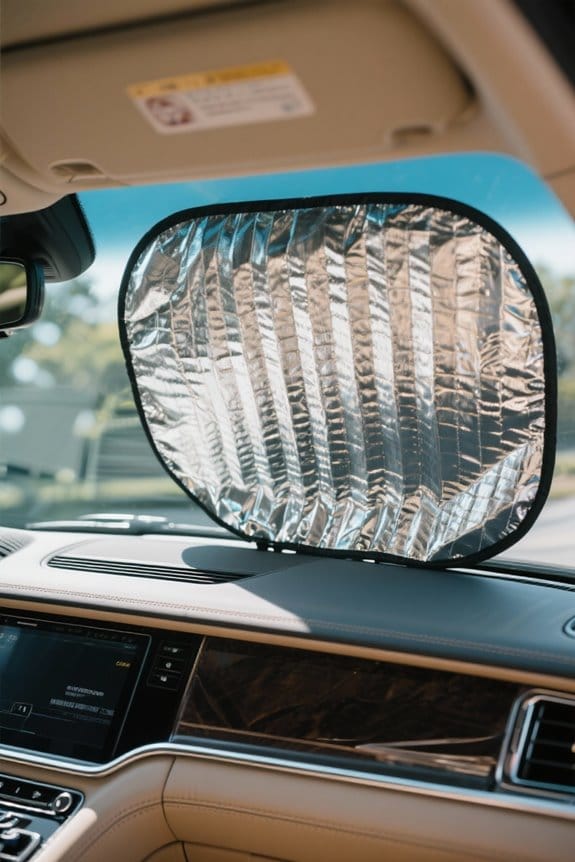
When a car is parked in direct sun, interior temps can sprint upward by about 20°F in just ten minutes, so a simple sun shade becomes a practical first line of defense. Readers learn that a $10–$25 reflective shade typically blocks much sunlight and can lower cabin temps by 10–15°F in trials. That reduction matters for a child or animal in a safe, short-term wait. Who wants to gamble with minutes? One tester said, “It’s like putting sunscreen on your dashboard.” Use a compact 52″x27″ foldable model for cars and a larger SUV size if needed. Sun shades are not a cure-all, but they are an affordable, preventive tool that helps keep pets and kids cooler while moving them to a safe location. High-quality shades with multi-layer construction can block up to 99% of UV rays and offer the best protection.
When Good Samaritan Laws Apply Versus Preventative Measures by Owners
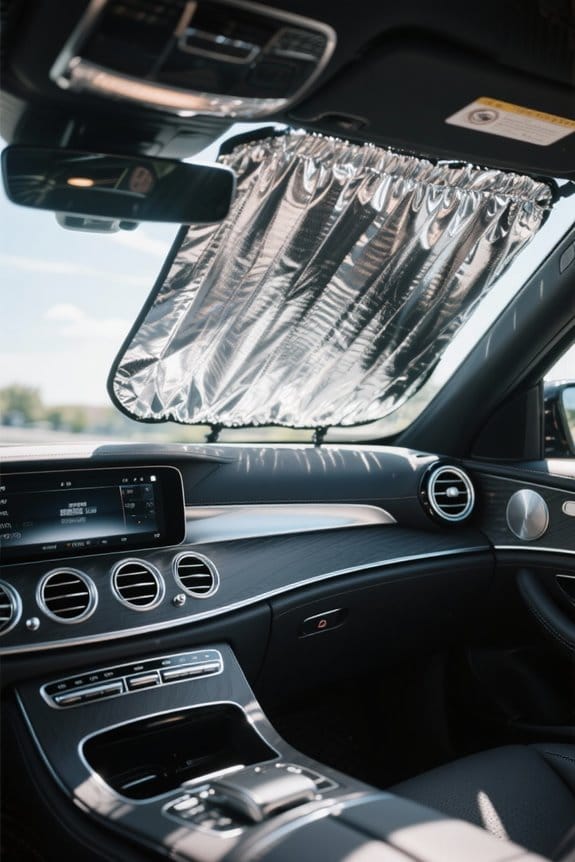
A sun shade is an inexpensive shield that can keep a parked car cooler and cut down on emergency moments before they start. Readers learn when Good Samaritan action is required versus owner prevention. A 60″ x 28″ reflective shade ($12–$25) lowers interior temps by 10–20°F. Is that enough? Often, yes. Preventative measures like shades and cracked-window vents make rescuers less likely to face an unattended vehicle crisis. Laws let a bystander intervene for a child or pet in imminent danger, usually after calling police first. Practical tip: stash a $15 foldable shade in the trunk. A tester said, “It’s like sunscreen for your car.” Clear local rules plus common-sense gear reduce risky rescues and stress. Many owners choose custom-fit shades designed to block up to 99% of UV rays and better protect interiors.
Best Practices for Using Sun Shades Alongside Legal Rescue Protocols
If someone spots a child or dog trapped in a hot car, quick, sensible steps matter more than heroics. A 50-inch reflective sun shade ($12–$25) can cut cabin temps noticeably. Seek a reasonable belief that the animal or person faces imminent harm by checking glass heat and breathing. Use the shade to block sun and lower stress while you contact law enforcement. Stay with the vehicle; stay calm. Covering a small face with shade feels like a soft blanket. Carry a compact umbrella-style shade (folds to 10 inches). Ask: would waiting cause injury? Testers joke, “It’s not a superhero cape.” Practical, polite notes to officers and time-stamped photos support legal prudence and safer outcomes. Custom-fit shades often provide superior UV protection and temperature reduction UPF 50+ for better interior cooling.
Community Actions and Policy Steps to Promote Safer Hot-Car Practices
Having covered quick on-the-spot steps like propping a 50-inch reflective sun shade ($12–$25) to lower cabin heat, the focus now shifts to how communities can prevent these emergencies before they happen. Communities can run community awareness campaigns to educate the public about risks and simple fixes. Local shops hand out flyers showing a 50-inch shade and heat-rise charts. Advocates push for stronger Good Samaritan laws so neighbors feel safe to act when seconds count. Police-led workshops teach when to call 911 and when to intervene. Social posts share true stories and stats to spark action. Who wouldn’t want clearer rules and free facts? Small steps, like a $12 shade and a phone call, save lives. High-density Oxford cloth and durable materials are also promoted to encourage people to keep protective covers in their cars.
Frequently Asked Questions
What Are the Two Exceptions to the Good Samaritan Laws?
Two exceptions are: immunity fails if the vehicle is law enforcement-owned, and if the rescuer lacked a reasonable belief of imminent danger. The detached observer notes exceptions explored, legal implications, and moral responsibilities remain intertwined.
What Are Some Examples of Actions Protected Under Good Samaritan Laws?
Emergency assistance examples include performing CPR, controlling severe bleeding, and removing a choking obstruction. Medical intervention scenarios cover stabilizing an injured person and administering naloxone. Voluntary rescue acts involve freeing trapped children or pets from vehicles.
What Are Two Things You Need to Remember About the Good Samaritan Law?
They must remember to confirm imminent danger and follow required emergency response steps, since legal implications include notifying authorities first; and to act reasonably to retain liability protection by documenting actions and avoiding negligent or reckless conduct.
What Are Good Samaritan Laws Designed For?
Even skeptics feel reassured: Good Samaritan laws are designed to encourage humanitarian efforts by granting legal protections to those who provide aid, promoting prompt emergency response without fear of liability and preserving community safety and compassion.