As an Amazon Associate, we earn from qualifying purchases. Some links on this site are affiliate links at no extra cost to you. Our recommendations are based on thorough research and editorial judgment.


Travel Tips: Packing Sun Shades for Road Trips

Sun shades cut glare, lower cabin heat about 20°F, and protect interiors. Pack six foldable mesh panels—24″x14″ for sedans or 30″x18″ for SUVs—and a 56″x28″ rear cover. Good sets run $25–$60 and fold into small pouches. Practice popping them in once before departure. Want less fuss? Try roll-up or self-retracting models. Sunglasses and SPF 30+ sunscreen complete the kit. Keep going to find fitting, storage, and installation tips.
Key Takeaways
- Measure each window and pack one shade per side window plus two for the rear to ensure full coverage.
- Choose lightweight, collapsible or roll-up shades that fold into labeled pouches for compact, organized storage.
- Prioritize shades with proven UV and heat-blocking ratings to lower cabin temperature and protect interiors.
- Pick easy-install designs (suction cups, clips, pop-up) to deploy and remove quickly at rest stops.
- Bring sunglasses, SPF 30+ sunscreen, and a wide-brim hat as complementary sun protection for passengers.
Why Sun Shades Are a Road Trip Essential
You may be interested

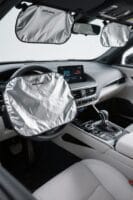

Because long drives bake a car quickly, sun shades become a practical must-have. They cut glare and improve visibility on road trips, easing eye strain and fatigue. A typical foldable shade (27 x 51 inches) costs $10–$25 and tucks on a simple packing list. Shades lower cabin temperature by about 20°F in direct sun, reducing AC use and saving fuel. They shield skin from UV rays and reduce sunburn risk during stops. Electronics and snacks stay cooler, avoiding heat damage. Interiors also fare better; dashboards fade less and leather cracks more slowly. Want proof? A tester joked, “It’s like giving the car sunglasses.” Practical, cheap, and compact—why wouldn’t you pack one? High-quality visors with UV protection and multilayer insulation can block up to 99% of harmful rays and keep interiors significantly cooler.
How to Choose the Right Car Window Shades

When shopping for car window shades, think like a practical traveler: measure your windows first. Shoppers should buy portable designs tailored to each door and rear windshield. A 24×14 inch side shade costs about $12–$18 and fits snugly when matched to measurements. Look for models advertising UV protection to reduce sun damage to skin and interiors. Ease of installation and removal matters. Choose shades with simple clips or suction cups that take 20–40 seconds per window. Poor fit lets sunlight seep through, so test samples if possible. Want peace of mind? Pick sets labeled compatible with hatchbacks, sedans, or SUVs. A tester joked, “It’s like sunglasses for your car,” and that’s exactly right. Many premium sun visors also use reflective, multi-layer materials to block heat and UV rays for improved interior protection.
Recommended Products

PREMIUM WATERPROOF PROTECTION: Heavy duty 12 mil thick poly tarp constructed with 3-ply material; Both sides coated with solid polyethylene for maximum durability; Remains flexible even in harsh weather; Perfect for outdoor tarps or roof tarps
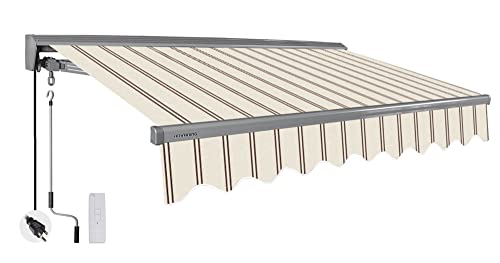
𝗖𝗢𝗟𝗢𝗥 & 𝗦𝗜𝗭𝗘: Classic Series Features a Gray Frame, Fabric Color: Natural Beige with Brick Red Stripes, Size: 16' Wide x 10' Projection Full Extension. Advaning Awnings are 100% Fully Pre-Assembled and Ready for Installation.

[Upgraded Rooftop Tent Hardshell to 100% Market Excellence] - HEYFUN roof top tent RTT, directly from the industry-leading manufacturer, are standout options with attachable side awning and built-in LED light strip, perfect choice for camping enthusiasts and seasoned adventurers of all levels valuing quality and affordability.
Packing Multiple Shades: Tips for Full Coverage

Having picked the right size for each window, the smart traveler packs multiple shades to cover the whole car. Packing Tips include one for each side window, two for the rear, and a small visor insert. A 24″x14″ side shade fits many sedans; a 56″x28″ rear shade suits hatchbacks. Prices range from $8 to $25 per piece. Make sure the sunshades are snug and rated to block UV and heat. Store foldable or rollable designs in labeled pouches in the trunk. Protection is about readiness: pop a shade in place at rest stops or traffic jams. Road Trip Essentials? Yes — and testers joke they feel like armored turtles, cool and surprisingly smug. Consider choosing shades that block up to 99% of UV rays for maximum protection.
Recommended Products

Removable Sidewalls & Zippered Doors:Spacious and well-ventilated party tent with fully removable sidewalls and zipper doors for optimal cross‑ventilation. Keeps the interior cool and comfortable on hot summer days. All panels are independently removable, making this canopy suitable for year‑round use.
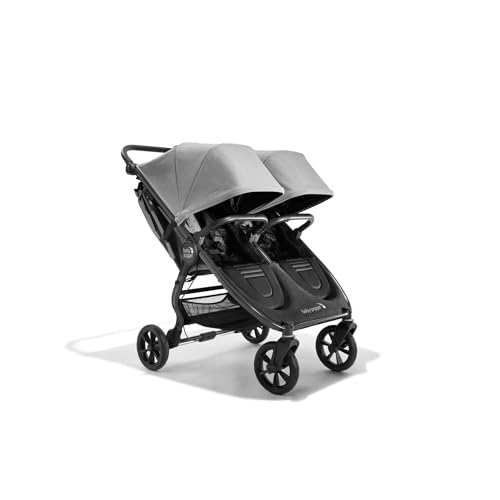
Baby Jogger Pike Collection exclusive products include: a belly bar, leatherette finish on the handlebars, premium fabrics, and a textured canopy

ADJUSTABLE HANDLEBAR: Adjustable 9-position handlebar creates the perfect fit for parents of all heights
Compact and Portable Shade Options for Easy Storage
If space is tight, collapsible and rollable shades are the compact heroes of any road trip kit. Travelers find portable sunshades that fold to 8–10 inches across and weigh under 10 ounces especially handy. A common model, about $12–$20, pops open to cover a 24″x36″ window. Mesh and fabric versions slip into 6″x8″ pouches for neat storage in trunks or glove compartments. Some self-retracting designs save space and time, like a small tape measure snapping home. Who wants clutter after a long drive? Testers joke that one shade fits “under a sandwich,” and still shades the kids. Practical choices include carrying cases and labeled pouches. These simple measures keep sunshades organized, accessible, and ready on road trips. Larger shades made from high-density polyethylene offer durable UV protection and 95% UV blockage for longer stops.
Recommended Products

Save money & get all the protection your car needs this summer with EzyShade's Summer Saver Bundle.
Save money & get all the protection your car needs this summer with EzyShade's Summer Saver Bundle.
Save money & get all the protection your car needs this summer with EzyShade's Summer Saver Bundle.
Pre-Trip Testing and Installation Practice
Because a sunshade that fiddles for five minutes is no fun on a hot rest stop, travelers should test and time installations before they leave. One reviewer noted a pop-up mesh took 18 seconds on a midsize sedan. Practice with each set of sunshades and learn the snaps, suction cups, or magnetic edges. Measure fit: a 24×14-inch rear panel may leave gaps on larger SUVs. Check coverage on all windows to reduce sun exposure for passengers and interiors. Test visibility through shades; verify driving sightlines remain clear for safety. How long should it take? Aim for under 30 seconds per window. Keep a small stopwatch or phone timer. A calm rehearsal saves sweat, argument, and faded upholstery on day one. Consider choosing a custom-fit shade that blocks 99% UV for maximum interior protection.
Accessories to Pair With Your Sun Shades
While sun shades block glare, small accessories finish the job and keep a road trip comfortable. Readers are advised to pack sunglasses with UV rated 100% UVA/UVB protection — about $20–$150 depending on brand — for added eye defense. A tube of broad-spectrum sunscreen SPF 30+ fits the glove box; reapply every two hours when exposed. Add a wide-brimmed hat or UPF-rated cap for face and neck shade during stops. Lip balm with SPF 15+ prevents chapping on windy drives. Portable fans, $10–$40, boost airflow when parked under the sun. Who wants a sauna in their car? Testers joked that a battery fan felt like a cool exhale. Consider pairing these with a custom-fit sun shade for optimal coverage and interior protection.
Recommended Products

Stainless steel color - Sleek, modern design that will elevate any RV kitchen. Easy to clean and adds a touch of sophistication.

Dual Zone & Independent Control - ICECO VL60 12V refrigerator equips with Dual Zone design, which can be controlled independently. With a cooling range of 0-50℉, you can use one zone as a freezer/refrigerator, both zone for freezer/refrigerator, or even close one zone and only use one zone to save energy! All depends on you!

📦【SENLEETO Guarantee 】 For any verified production flaw, Contact our 24/7 customer service you will get a FREE new tent directly—no need for a refund .Cause We stand behind our products.Every tent undergoes a 48-hour inspection for air/water leaks before shipping, ensuring superior quality and reliability for your adventures.
Sun Safety Beyond Shades: Clothing and Sunscreen
On a bright highway day, sensible sun protection starts with what people wear, not just what they tape to the windshield. Travelers are advised to choose long-sleeve clothing made from UPF 50+ fabric; a lightweight shirt (about $30–$60) keeps skin protection high and breathability intact. Apply a broad-spectrum sunscreen SPF 30+ and water-resistant formula every two hours; a 3-ounce tube runs $8–$15. Add a wide-brimmed hat for face and neck coverage. Don’t forget UV-protective sunglasses with polarized lenses to cut glare on wet roads. Even cloudy drives require care — rays still reach skin. Want numbers? UPF 50 blocks 98% of UV. One tester joked, “Feels like wearing shade.” Practical, simple, effective. For added in-car protection consider a custom-fit sun shade like those designed for the Honda HR-V that block up to 99% of UV rays custom-fit sun shades.
Organizing and Storing Shades During Your Journey
A road tripper’s little wins often start with where the sun shades live. One traveler bought a set of foldable sun shades (24 x 14 inches) for $12 and stored each in a 9 x 6 inch pouch. Compact storage pouches prevent crumpling and speed access. Organize shades by window size — front, rear, and side — and label pouches with masking tape. Assign glovebox, trunk net, and under-seat bins to avoid frantic digging at rest stops. Foldable or rollable designs slide into corners and save space. Keep a simple checklist on the dash: front, rear, two sides. Who wants surprises at noon? Tester Maria joked, “It’s like Tetris that protects your skin.” Many travelers prefer foldable sun shades because they’re easy to store and block a high percentage of UV rays. Simple, practical, and travel-ready.
Recommended Products

These blind will fit Ford Transit Connect (2013-Date) Set consists of 3 Blinds Blinds will be exactly as second image Blinds are Silver on one side and Black on the other Blinds will fit windows with and without rear view mirrors due to infil panel

Compatible with select 2021-2024 Dodge Ram Truck 1500 TRX, 2019-2024 Dodge Ram Truck 1500, 2019-2024 RAM Ram 1500, 2021-2024 RAM Ram 1500 TRX Models. Please confirm fitment to your year, make, and model in Amazon ConfirmedFit prior to purchase.

Custom-Fit Design: Specifically designed to perfectly match Volvo VNL, VNR models (2019–2024) truck windows, ensuring complete coverage and optimal performance.
Frequently Asked Questions
What Is the 1 2 3 4 5 6 Packing Rule?
The 1 2 3 4 5 6 packing rule is a guideline to pack one daily outfit, two shoes, three tops, four bottoms, five socks, six accessories; it highlights packing essentials, sun shade benefits, car interior protection, UV exposure risks, travel comfort tips.
How to Prepare for a 12 Hour Car Ride?
Pack snacks, pack comfort, pack patience: provide snack ideas like nuts and wraps, rotate entertainment options with playlists and audiobooks, schedule regular bathroom breaks, enhance car comfort with pillows and blankets, and play travel games for engagement.
What Should You Always Pack for a Road Trip?
Always pack essential travel items: IDs, charger, first-aid kit. He applies packing techniques for organization, includes road trip snacks, comfort gear like pillows and sunshades, and selects entertainment options to keep passengers content and rested.
Should I Wear Sunscreen on a Road Trip?
Bright, blazing barriers bolster. He answers: yes—sunscreen application is essential. Travel skincare essentials include SPF30+, UV protection benefits, sunburn prevention tips, lip and ear care, and skin cancer awareness to reduce long-term risk.


