As an Amazon Associate, we earn from qualifying purchases. Some links on this site are affiliate links at no extra cost to you. Our recommendations are based on thorough research and editorial judgment.


Exterior Vs Interior Sun Shades: Which Is More Effective?

Exterior shades win for cooling. They block up to 80% of solar heat and can reflect about 95% of sunlight. Interior mesh shades cut heat roughly 30–40% and cost $80–$400. Exterior units cost more — $300–$600 — but act like sunglasses for the house, protecting furniture and lowering AC bills. They need occasional maintenance. Want energy savings over style? Pick exterior; prefer décor flexibility? Choose interior, and learn more below.
Key Takeaways
- Exterior shades block sunlight before it hits glass, reducing heat gain by up to ~80%, far outperforming interior shades.
- Interior shades reduce heat gain by about 40% and offer greater aesthetic and fabric choices for room design.
- Exterior shades reflect up to 95% of solar light, protecting interiors and outdoor furniture from UV damage.
- Exterior models need more maintenance and higher upfront cost ($300–$600) versus interior ($80–$400).
- Choose exterior for maximum energy savings and cooling; choose interior for lower cost, easier upkeep, and design flexibility.
What Are Solar Shades and How They Work
You may be interested

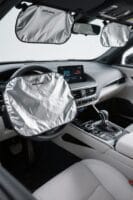

Imagine a thin shield between your room and the sun. Solar shades are retractable mesh window treatments that block sunlight and filter UV rays while keeping an outside view. They reduce glare and offer light control with openness levels from about 1% to 10%. Interior solar shades can cut heat gain by roughly 40%, improving energy efficiency. Exterior solar shades perform even better, stopping heat before it enters and lowering heat gain up to 80%. Both types come manual or motorized; prices range from about $50 for basic panels to $600+ for motorized installs. Want privacy without darkness? These shades balance visibility and protection. “Feels like sunglasses for windows,” one tester joked, smiling at cooler, less faded rooms. Exterior shades can block over 99% of harmful UV rays when properly selected and installed.
Recommended Products

Size: 12' x 24' gazebo with 36 bulbs outdoor hanging lights for 72 ft. With 12x14 gazebo( 155.51"L x 131.89"W x 120.8"H) and 12x10 Gazebo( 113.39"L x 131.89"W x 120.8"H ).

Solar Screens for Windows Exterior – Tired of the extra heat and glare coming through your window or patio enclosure in the afternoon? Phifer’s 90% solar window screens feature a unique woven screen mesh that reduces both heat and light, providing effective sun shade. Enjoy a cooler, more comfortable space without sacrificing natural light.
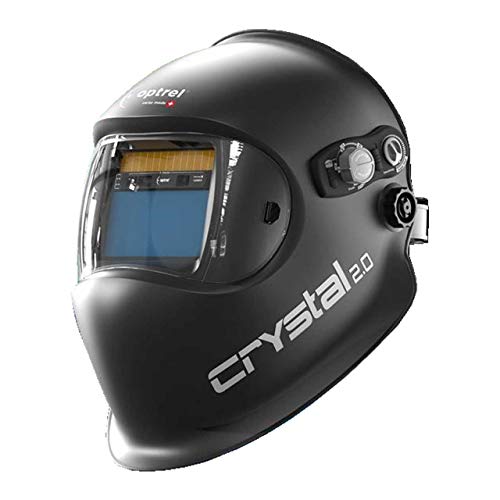
Crystal lens technology with shade 2. 0 light state - see clearly what happens before, during and after the welding process.
Interior Solar Shades: Features and Uses
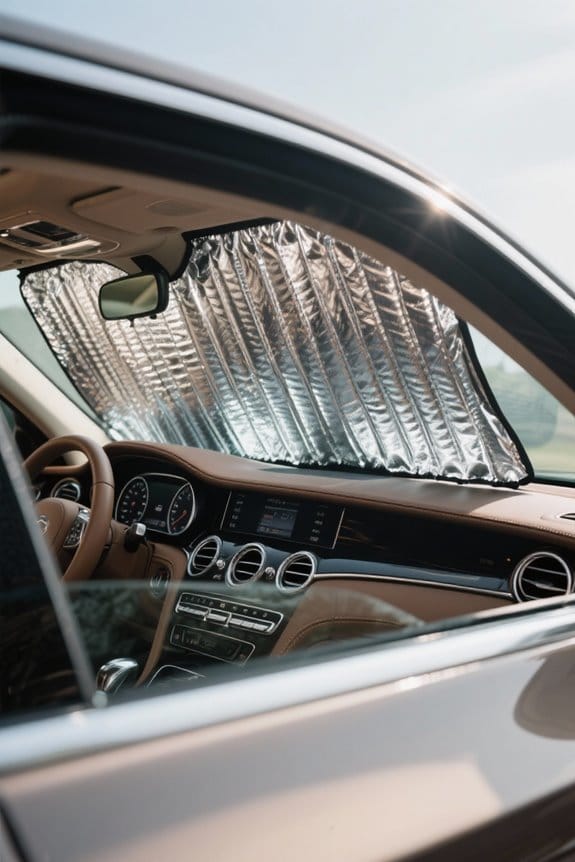
Exterior shades block most heat before it hits glass, but interior solar shades still earn their keep indoors. Interior solar shades reduce glare and control sunlight using semi‑transparent fabric that blocks UV rays while letting natural light in. They are installed inside the window frame and come in opacities from about 1% to 10% openness to tweak views and privacy. Typical retail prices range $80–$400 per shade, depending on size and fabric. Want motorized convenience? There are manual and motorized options with battery or hardwired motors. They cut heat gain roughly up to 40%, so rooms feel less oven-like. Customization includes colors, textures, and precise measurements. “Like sunglasses for your windows,” a tester quipped, practical and pleasantly obvious. Many interior shades use high-grade 240T or 300T polyester for durability and enhanced UV protection.
Recommended Products
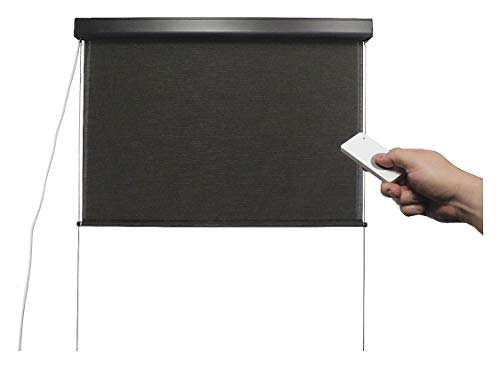
Enhance Outdoor Comfort By Reducing Heat, UV Exposure, and Blinding Glare with Style

2 Power Options Available – Hardwired or Solar Powered Rechargeable Choose the power solution that fits your space. The hardwired version offers continuous power, while the solar-powered rechargeable option provides cordless convenience with no wiring required—ideal for outdoor use.

【Premium Sun Shade Fabric】Yoolax outdoor blind is made of premium 3% openness fabric to enhance outdoor comfort. It can not only filter light and block 97% harmful UV rays effectively, but also windproof, waterproof and fire-prevention. With the stainless wire guide system, the wind resistance of these motorized outdoor shades reach level 5, making it a perfect choice for porch, pergola, and patio.
Benefits of Interior Solar Shades

When rooms feel bright enough to read by but the sofa looks sun‑bleached, interior solar shades step in like polite sunglasses for your windows. They reduce glare and block UV rays while still admitting useful natural light. Homeowners report 30–40% less heat gain on south windows with typical 3% openness fabrics. Shades cost $75–$250 per window for basic manual models; motorized units run $300–$700. They are energy-efficient and can lower cooling costs noticeably in summer. Choices in opacity offer precise light control and privacy. A wide range of colors and textures helps match décor. Need customization? Measured to the millimeter, they fit inside frames. “Feels calmer,” one tester said, chuckling about saved cushions. Many homeowners also pair shades with reflective fabrics to further reduce interior heat and protect furnishings.
Exterior Solar Shades: Design and Durability
Interior shades tame glare and save fabrics, but outdoor options take sun defense a step further. Exterior solar shades use weather-resistant materials like PVC-coated polyester and aluminum. They feature heavy-duty construction and stand up to wind, rain, and dust. Installations often block up to 80% of solar heat gain, helping reduce heat transmission through windows. Want UV protection for patio furniture? These screens cut fading and shield surfaces. They also boost energy efficiency; some homes report cutting energy costs by as much as 50% when paired with proper sealing. Typical motorized units run $400–$1,200 installed. A tester joked, “Feels like sunglasses for your house.” Practical, robust, and made to last, they emphasize durability without drama. Exterior options can also offer up to 99% UV protection to further prevent fading and interior damage.
Recommended Products

Energy-Efficient Low Amp Draw – Our RecPro RV air conditioner is engineered with a low amp draw, allowing you to power multiple RV appliances at once without overloading your system. Ideal for off-grid, solar, or generator setups—maximize comfort while minimizing energy usage.

Energy-Efficient Low Amp Draw – Our RecPro RV air conditioner is engineered with a low amp draw, allowing you to power multiple RV appliances at once without overloading your system. Ideal for off-grid, solar, or generator setups—maximize comfort while minimizing energy usage.

Versatile Sizes: Choose from 1.7 cubic feet, 3.3 cubic feet, 4.4 cubic feet or 10 cubic feet options to suit your RV kitchen space and storage needs.
Benefits of Exterior Solar Shades
Because heat is stopped before it ever hits the glass, these shades can shave as much as 80% off solar gain. Exterior solar shades reduce heat and block solar radiation outdoors, cutting interior heat gain far better than inside blinds. They block UV rays, protecting decks and rugs from fading. Made from weather-resistant fabrics and frames, they shrug off wind and rain. Energy efficiency improves noticeably — expect up to 50% lower AC load and smaller cooling costs in summer. They also provide daytime privacy since passersby can’t peer in. Typical 7-foot-by-6-foot units run about $300–$600, installed. Want shade that works like sunglasses for your house? Testers call them “honest armor” against sun. Many exterior shades use durable weather-resistant fabrics similar to the high-quality reflective materials used in automotive sun shades to maximize UV protection and insulation.
Heat Reduction: Exterior Vs Interior Performance
Having discussed how exterior shades act like sunglasses for a house, the focus now shifts to how well they actually cut heat compared with inside options. Exterior shades can reduce heat gain by up to 80%. That’s real savings. Interior shades top out near 40% — better than nothing, but not close. The DOE notes 76% of sunlight through double-pane glass becomes heat. Exterior shades reflect and absorb solar heat before it enters. Result: lower air conditioning bills and energy loads, sometimes by as much as 50%. Interior performance is limited because glass already converts shortwave to longwave radiation. Window coverings inside feel warmer to the touch. Want proof? A tester joked, “It’s like blocking a furnace at the window.” Prices vary, but savings show up fast. Many custom-fit reflective sunshades for vehicles claim to reflect up to 95% of solar light, offering strong UV protection and cooling benefits reflective sunshades.
Choosing the Right Shade for Your Home and Climate
Which shade fits a sun-baked living room or a cool northern bedroom? A homeowner asks: exterior shades cut solar heat gain by about 80%. Interior shades cut roughly 40%. For large south-facing windows, exterior shades give stronger sunlight blocking and energy efficiency. In high-UV areas, exterior shades stop radiation before it enters, protecting fabrics and skin. Interior shades win on aesthetic preferences — many fabrics, colors, and patterns from $25 to $200 per window. Consider window orientation and climate considerations. Maintenance needs differ: exterior models resist weather but need periodic checks; interior ones are easy to clean. Want specific numbers? A 100-square-foot south window sees large gains with exterior shading. Which would you pick for comfort and cost? Exterior shades also typically provide superior cooling performance by blocking up to 99% of UV rays with dual-layer or reflective materials like UV protection.
Recommended Products

FILM APPLIED ON THE OUTSIDE. The film blocks much of the solar energy before it can even pass through the window. It is recommended to seal the edges of the installed film with silicone caulking after the film dries.

FILM APPLIED ON THE OUTSIDE. The film blocks much of the solar energy before it can even pass through the window. It is recommended to seal the edges of the installed film with silicone caulking after the film dries.

DARK BRONZE SHADE creates daytime privacy with a reflective dark tint. Reduces heat and glare too!
Installation, Maintenance, and Cost Considerations
When homeowners weigh installation, maintenance, and cost, the choice often comes down to trade-offs between upfront price and long‑term savings. Exterior shades often need professional installation, with mounts and brackets adding $200–$800 per window. Interior shades can be DIY‑mounted in under an hour for $30–$150 each. Maintenance differs too: exterior maintenance involves cleaning, occasional repairs, and checks for weather resistance after storms. Interior shades require light dusting and rare repairs. Durable materials for exterior shades raise initial cost but boost energy efficiency by cutting cooling costs 10–30% in summer. Not all buildings allow exterior mounting, so check codes. Want sun protection that pays back? Consider exterior shades for performance, interior shades for lower cost and simpler upkeep. For vehicle owners seeking improved interior comfort, upgraded sun visors with LED lights and vanity mirrors provide a quick, low‑effort way to enhance functionality.
Recommended Products


Exceptional Design – Sleek rounded corners give these windows a polished, professional look while enhancing durability.
Frequently Asked Questions
Is It Better to Install Blackout Shades Inside or Outside?
Absolutely—installing outside wins, practically like installing a sun-proof fortress; Blackout shade effectiveness, Sunshade installation, Light control options, Energy efficiency benefits, UV protection levels, Aesthetic preferences, Temperature regulation, Durability comparisons, Maintenance requirements, Cost considerations all favor exterior.
Is a Sunshade Supposed to Go Inside or Outside?
A sunshade can be installed inside or outside. The response notes interior sunshade benefits and exterior sunshade advantages, weighing light control levels, heat reduction capabilities, aesthetic considerations, material durability comparisons, installation ease factors, cost effectiveness analysis, seasonal performance variations, user preference trends.
What Is the Most Effective Sun Shade?
The most effective sun shade is exterior, balancing sun shade effectiveness with exterior shade advantages; it outperforms interior shade benefits in energy efficiency comparison, UV protection levels, material durability factors, light filtration options, installation challenges, maintenance requirements, aesthetic considerations.
Do Outdoor Blinds Reduce Heat?
Yes, outdoor blinds reduce heat: they lower outdoor temperature impact through sunlight blocking and UV protection, boosting energy efficiency. Design options, material types, installation methods, cost comparison and maintenance tips inform heat reduction and performance.


